Estimated reading time: 13 minutes
Key Takeaways
- Termites are *silent destroyers*, capable of causing _billions_ in uninsured property damage annually.
- **Professional termite control** is _essential_ as DIY methods are largely ineffective and can worsen infestations.
- Different termite species (subterranean, drywood, dampwood) require *tailored* treatment plans for effective eradication.
- A comprehensive service includes thorough inspection, customized treatment methods (liquid barriers, bait systems, direct wood treatments, fumigation), and crucial follow-up monitoring.
- Choosing the _right_ termite control service involves verifying licensing, experience, guarantees, and strong local reputation.
- Local expertise offers significant advantages, including familiarity with regional termite species and faster response times.
- Investing in professional control safeguards your home’s structural integrity and long-term value.
Table of contents
- The Ultimate Guide to Professional Termite Control Services: Protecting Your Home from Silent Destroyers
- Key Takeaways
- The Invisible Threat: Why Professional Termite Control is Essential
- The Process of Professional Termite Treatment: What to Expect from a Termite Control Service
- Choosing the Best Termite Control Service for Your Home
- The Advantage of Local: Finding Termite Control Near Me
- Conclusion: Protect Your Investment with Professional Termite Control Services
- Frequently Asked Questions
Termites are often called _”silent destroyers.”_ These tiny insects can chew through the very structure of your home and business without you even knowing. They damage wood, flooring, and even wallpaper, causing big problems over time. Imagine termites silently eating away at your biggest investment. This hidden threat can lead to serious structural damage.
The financial impact of termites is huge. Each year, these pests cause billions of dollars in property damage. This damage is often not covered by standard home insurance policies. Because of this, professional termite control services are a very important part of keeping your home safe and sound. It’s not just about getting rid of pests; it’s about protecting your entire property. (Source: Consumer Reports)
This guide is here to help you understand everything about professional termite control services. We’ve gathered information from trusted sources to give you a clear picture. You will learn about the best ways to fight termites and what to look for in a good pest management company. It’s crucial to understand why expert termite control is not just an option, but a real necessity for every homeowner.
The Invisible Threat: Why Professional Termite Control is Essential
Understanding the true nature of termites is the first step in protecting your home. These small, wood-destroying insects pose a significant danger. They work quietly and can cause immense damage before you even notice them. This is why professional intervention is so vital. Expert termite control ensures that these hidden pests are found and dealt with effectively.
Understanding the Termite Threat
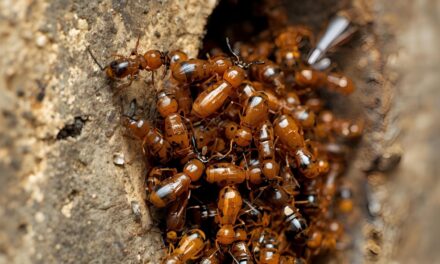
Termites are social insects. This means they live in highly organized groups called colonies, much like ants. These colonies can be enormous, sometimes numbering in the millions. Each termite in the colony has a specific job, working together to find food and expand their home. Their main food source is cellulose, which is found in wood, paper, and fabrics. This makes our homes, built largely from wood, perfect targets for an infestation. The continuous feeding by a large colony can weaken the very foundations and support beams of a building.
Types of Termites and Their Characteristics
Knowing the different types of termites helps in understanding the specific threats they pose and how to approach effective `termite treatment`. Each type has distinct behaviors and preferred living conditions.
- Subterranean Termites: These are considered the most destructive type of termites. They live in the soil and build distinctive “mud tubes” to travel between their underground nests and their food sources. These mud tubes protect them from predators and dry air as they move across foundations and walls. Subterranean termites need constant moisture to survive. They are the most common type found across many regions, constantly foraging for wood or other cellulose materials. Their presence often goes unnoticed until significant damage has occurred, making early detection and robust `termite treatment` critical.
- Drywood Termites: Unlike their subterranean cousins, drywood termites live entirely within the wood they infest. They do not need contact with the soil. These pests get all the moisture they need from the wood itself. A key sign of a drywood termite infestation is the presence of “frass.” Frass refers to their distinctive fecal pellets, which look like tiny, hard, sand-like grains. These termites often infest furniture, structural timbers, and dead trees. Locating their hidden nests within wood can be challenging, requiring careful inspection and specific `termite treatment` methods.
- Dampwood Termites: As their name suggests, dampwood termites prefer wood with high moisture content or wood that is decaying. They are typically larger than other termite species. You might find them in old tree stumps, fallen logs, or parts of a house where there’s a water leak or poor drainage, leading to damp timber. While they can cause significant damage to water-damaged wood, they are less common in sound, dry structures compared to subterranean or drywood termites. Still, any presence of these pests indicates a serious moisture problem that needs to be addressed alongside the `termite treatment`.
The Limitations of DIY Termite Control
When facing a potential pest problem, many homeowners first think about do-it-yourself solutions. However, when it comes to termites, professional help is not just recommended, it’s essential for effective `termite treatment`.
While there are DIY `termite control` products available in stores, experts widely agree that they are often insufficient and can even worsen the problem. These products rarely get to the root of the infestation. (Source: PestWorld.org) A superficial application might kill some visible termites, but it usually fails to eliminate the entire colony, especially the queen, who continues to produce new termites. This means the problem persists, hidden from view.
There are significant risks associated with trying to control termites yourself. DIY methods can unintentionally scatter colonies. This happens when some termites are disturbed but not killed, causing them to move to new, often harder-to-reach areas of your home. This makes the infestation much more difficult for even professionals to locate and eliminate later. More often, DIY attempts simply fail to eliminate the main nest entirely, leaving the core of the problem untouched and allowing the damage to continue. This can lead to increased repair costs down the line.
Effective `termite treatment` requires specialized knowledge. Pest management professionals have the training to correctly identify the termite species, understand their biology, and locate all infestation points, including the hidden nests. They also have access to advanced equipment and restricted-use products that are not available to the general public. These professional-grade solutions are designed for comprehensive eradication and long-term prevention, ensuring your home is truly protected from these destructive pests. Trying to handle such a serious issue on your own is often a waste of time and money, and it leaves your home vulnerable. (Source: University of Kentucky Entomology)
The Process of Professional Termite Treatment: What to Expect from a Termite Control Service
When you choose a professional `termite control service`, you’re investing in a thorough and systematic approach to pest management. A reputable service doesn’t just spray and leave; they follow a structured process. This ensures every step is taken to detect, eliminate, and prevent future termite problems. Understanding this process can help you feel more confident in the `termite treatment` being applied to your home.
Step 1: Thorough Inspection
The very first and most crucial step in any `termite treatment` plan is a detailed and thorough inspection. A trained technician from your chosen `termite control service` will carefully examine your property. This includes checking the foundation, looking into crawl spaces, inspecting attics, and examining interior structures. They know exactly what to look for.
The purpose of this inspection is multifaceted. Technicians aim to identify any signs of termites, such as mud tubes, damaged wood (which might sound hollow), discarded wings, or even the distinctive fecal pellets (frass) left by drywood termites. They also work to determine the specific species of termite present, as different types require different approaches. Finally, they assess the extent and severity of the infestation. This initial, critical step provides the foundation for developing an effective and targeted `termite treatment` plan. Without a precise understanding of the problem, any treatment would be a shot in the dark.
Step 2: Customized Treatment Plan
After the comprehensive inspection, a good `termite control service` will develop a customized `termite treatment` plan. It’s important to understand that there is no single, one-size-fits-all solution for termite infestations. The best plan is always tailored to your specific situation.
This personalization takes into account several factors: the type of termite species (subterranean, drywood, dampwood), the severity of the infestation, the size and construction of your home, and any specific environmental concerns. For instance, a small, localized drywood termite issue might be handled differently than a widespread subterranean termite problem affecting the entire foundation. A professional will explain the recommended methods and why they believe these approaches are best suited to effectively eliminate the termite threat from your property.
Step 3: Treatment Application Methods
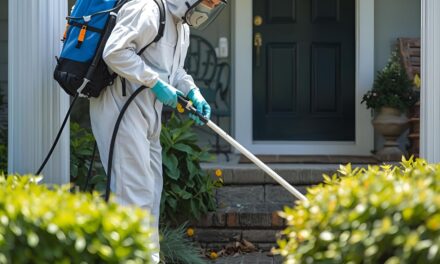
Professional `termite control` involves several advanced and highly effective application methods. The choice of method depends on the customized plan developed for your home. These techniques are designed to eliminate existing colonies and create barriers against future infestations.
Liquid Termiticides (Barrier Treatments)
- How it works: This is a common and very effective method, especially for subterranean termites. Professionals apply a liquid termiticide to the soil directly around the home’s foundation. This creates an unseen chemical barrier. The goal is to make it impossible for termites to penetrate this treated soil to reach your home. Modern termiticides are often “non-repellent,” meaning termites don’t detect them.
- Effectiveness: These modern non-repellent termiticides are highly effective. Termites unknowingly tunnel through the treated soil, picking up the insecticide on their bodies. They then carry this active ingredient back to their colony, sharing it with other termites through grooming and interaction. This leads to a domino effect, resulting in widespread elimination of the entire colony over time. This barrier serves as both a treatment and a long-term protective shield. (Source: EPA)
Termite Baiting Systems
- How it works: Termite baiting systems involve placing small, discreet stations around the perimeter of your property. These stations initially contain cellulose material, which is highly attractive to termites (it’s what they eat). Once technicians detect termites actively feeding in these stations, the cellulose material is replaced with a special bait. This bait contains slow-acting insecticides.
- Effectiveness: Termites consume the bait and, unaware of its lethal properties, carry it back to their colony. They share this bait with other termites, including the queen, through a process called trophallaxis (food sharing). This gradually eliminates the entire colony over several weeks or months. This method is often considered environmentally friendly and less intrusive than liquid treatments, as it uses less chemical overall and targets the termites directly.
Direct Wood Treatments
- Use case: Direct wood treatments are typically used for localized infestations, particularly those caused by drywood termites. These termites live *within* the wood, making a perimeter soil treatment less effective.
- Methods: For these specific cases, professionals may use various methods. These include injecting foams, dusts, or borate treatments directly into infested wood or into voids (empty spaces) where termites are suspected to be hiding. These treatments target the termites directly where they live and feed, providing a localized but powerful termite treatment.
Fumigation (Tent Treatment)
- Use case: Fumigation, also known as tent treatment, is usually reserved for very severe and widespread drywood termite infestations, especially when the termites have spread throughout an entire structure. It’s often the most comprehensive method for drywood termites.
- Process: This intensive process involves sealing the entire building with large tarps or a “tent.” A gaseous pesticide (fumigant) is then introduced into the sealed space. This gas penetrates all wood within the structure, reaching every hidden crack and crevice where drywood termites might be.
- Requirement: Due to the nature of the gaseous pesticide, this method requires residents, pets, and even plants to vacate the property for several days, usually two to three, until the fumigant has safely dissipated and the home is aired out. While disruptive, it can be the most effective way to eliminate a severe drywood termite problem across an entire structure.
Step 4: Follow-up and Monitoring
The work of a good `termite control service` doesn’t end after the initial treatment. Effective termite control often includes ongoing monitoring and follow-up inspections. This step is crucial to ensure the treatment’s success and to address any potential re-infestations. Termites are persistent, and vigilance is key.
Many reputable companies offer warranties or service agreements as part of their `termite control service`. These agreements provide continued protection against termites, often including annual inspections and re-treatments if needed within a specified period. This ongoing support gives homeowners peace of mind, knowing that their investment is protected and their home remains safe from these damaging pests. A comprehensive `termite treatment` plan includes both immediate action and long-term prevention.
Choosing the Best Termite Control Service for Your Home
Protecting your home from termites is a serious matter, and selecting the right professional for the job is paramount. With many options available, knowing what to look for in the `best termite control service` can make all the difference. An informed decision ensures effective protection and peace of mind.
Key Factors to Consider When Choosing the Best Termite Control Service
When researching termite control services, these factors should guide your choice to ensure you receive high-quality, reliable, and effective pest management.
- Licensing and Insurance: Before hiring any company, always verify that they are properly licensed by your state’s pest control regulatory agency. This ensures they meet professional standards and are authorized to perform `termite treatment`. Additionally, ensure the company carries adequate liability insurance. This protects your property in case of accidental damage during the treatment process. They should also have worker’s compensation insurance to protect their employees, which in turn protects you from potential liabilities. Verifying these credentials is a fundamental step in choosing the best termite control service. (Source: NPMA)
- Experience and Expertise: Look for companies with a proven track record, specifically in `termite control`. Termites require specialized knowledge that goes beyond general pest control. Experienced technicians are better equipped to accurately identify complex infestations, understand the specific behaviors of different termite species, and apply appropriate and effective treatments. Their expertise translates directly into superior `termite control services` and a higher chance of complete eradication. Don’t hesitate to ask about their specific experience with termite infestations similar to yours.
- Customized Solutions: A reputable `termite control service` will never offer a generic, one-size-fits-all approach. As discussed earlier, different termites and different homes require distinct strategies. The `best termite control service` will insist on a thorough inspection first, then provide a tailored treatment plan based on their findings. They should be able to clearly explain the recommended methods, the products they will use, and why these solutions are best suited for your home’s unique situation and the type of termite infestation you have.
- Guarantees and Warranties: A reliable company stands behind its work. Inquire about the company’s guarantees on their `termite treatment` and pest management services. This often includes re-treatment policies if termites return within a specified period after the initial treatment. Carefully read and understand the terms and duration of any warranties offered. A strong warranty indicates confidence in their service and provides you with added protection against recurring problems. This is a crucial aspect of selecting the `best termite control service`.
- Customer Reviews and Reputation: One of the most effective ways to gauge the quality of `termite control services` is through their reputation. Check online reviews on platforms like the Better Business Bureau, Google, and Yelp. These reviews often provide insights into customer satisfaction, professionalism, and the effectiveness of their `termite treatment`. You can also ask the company for references from previous clients. A company with consistently positive feedback and a strong local reputation is often a good indicator of a trustworthy and effective provider. This research helps you identify providers of the `best termite control service`.
- Advanced Technology and Methods: The `best termite control service` providers stay updated with the latest advancements in pest management. They utilize modern, effective, and environmentally responsible `termite treatment` methods. This includes using non-repellent termiticides, which are highly effective at colony elimination, and sophisticated baiting systems. They should avoid outdated or less efficient techniques. Furthermore, a knowledgeable company will demonstrate an understanding of Integrated Pest Management (IPM) principles. IPM focuses on long-term prevention, using a combination of methods with minimal environmental impact. (Source: Purdue Extension)
- Clear Communication and Contracts: Expect complete transparency from the `termite control service` you choose. This means receiving a detailed, written estimate that clearly outlines everything. This document should include the findings from their inspection, the proposed `termite treatment` plan, the specific materials and chemicals they will use, any necessary safety precautions, the total cost of the service, and all warranty information. Avoid companies that pressure you into making immediate decisions or offer vague, unclear quotes. Clear communication and a comprehensive contract protect both you and the service provider.
The Advantage of Local: Finding Termite Control Near Me
When dealing with a termite problem, finding a local pest control expert can offer significant advantages. Searching for “termite control near me” isn’t just about convenience; it often leads to more effective and personalized service. Local providers bring a unique understanding to the table that larger, national chains might miss.
Benefits of Local Expertise
Choosing a `termite control` provider that operates within your community offers several distinct benefits. These advantages can lead to faster, more targeted, and ultimately more successful pest management for your home.
- Familiarity with Regional Species: Local companies are deeply acquainted with the specific termite species that are prevalent in your area. They understand their unique behaviors, nesting habits, and common infestation patterns specific to your climate and geography. For example, a company operating in a humid region will be very familiar with subterranean termites, while one in a drier climate might specialize in drywood termites. This specialized regional knowledge allows for more targeted and effective `termite control` strategies, as they know exactly what to look for and how to treat it.
- Knowledge of Local Building Practices: Local providers often have a good understanding of regional building codes and common construction types found in your community. This knowledge can be invaluable in identifying potential entry points for termites into a structure. They know where vulnerabilities might exist and how `termite treatment` is best applied to different types of foundations or structural designs common in your area. This local insight means they can conduct more thorough inspections and apply treatments with greater precision, minimizing the chances of missing hidden infestations.
- Faster Response Times: When you suspect termites, time is of the essence. Proximity to your home means quicker response times for inspections and treatments. Termites can inflict rapid damage, so getting a professional on-site quickly can prevent the problem from worsening significantly. A local `termite control` service can often schedule appointments sooner and respond to emergencies with greater speed, which is a crucial factor in effective pest management. This responsiveness is a key benefit when searching for “termite control near me.”
- Accessible Scheduling and Support: Choosing a local company often makes scheduling follow-ups, expressing concerns, and receiving ongoing support much easier. You’re dealing with a business embedded in your community, making them more accessible for long-term relationships and consistent care. This personal connection can lead to better customer service and a more responsive relationship regarding your ongoing `termite control` needs.
- Local Reputation: Local businesses thrive on their reputation within the community. This provides a stronger incentive for them to provide high-quality service and be accountable for their work. They rely on word-of-mouth and positive local reviews. When searching for “termite control near me,” you can often find extensive local testimonials and feedback from neighbors, which can give you a very accurate picture of a company’s reliability and effectiveness. Their commitment to the local community often translates into a higher standard of care and customer satisfaction for your `termite treatment` needs.
Conclusion: Protect Your Investment with Professional Termite Control Services
Termites are indeed _”silent destroyers,”_ capable of causing immense and costly damage to your home without immediate detection. Addressing a termite infestation promptly and professionally is not just about getting rid of pests; it’s absolutely vital to protect your home’s structural integrity and long-term value. Waiting or attempting DIY methods can lead to more extensive damage and much higher repair costs down the line.
While the initial investment in professional termite control services may seem significant, it is a crucial safeguard against potentially catastrophic and uninsured damage. Think of it as investing in the health and longevity of your most important asset – your home. Expert termite control provides peace of mind, knowing that trained professionals are using specialized knowledge and effective treatments to protect your property. Investing in expert `termite control` is an investment in your home’s future, ensuring it remains safe, sound, and valuable for years to come.
Frequently Asked Questions
- What are the first signs of termites?Early signs can include mud tubes on foundations or walls, discarded wings near windowsills or light sources, hollow-sounding wood when tapped, tiny holes in wood, or termite droppings (frass) which resemble sawdust or coffee grounds.
- How much does professional termite control cost?The cost varies widely based on the type of termites, the severity of the infestation, the size of your home, and the treatment methods used. It can range from a few hundred dollars for localized treatments to several thousands for extensive fumigation. Getting multiple quotes is recommended.
- Is termite damage covered by home insurance?Typically, no. Most standard home insurance policies do not cover damage caused by termites or other pests, as it’s often considered a preventable maintenance issue. This makes professional `termite control` even more essential for protecting your investment.
- How long does termite treatment last?The effectiveness and duration of `termite treatment` vary by method. Liquid barrier treatments can offer protection for 5-10 years, while baiting systems require ongoing monitoring and refilling. Many professional services offer warranties that cover re-treatment if termites return within a specified period.
- Are the chemicals used in termite control safe for pets and children?Reputable pest control companies prioritize safety. They use EPA-approved products and follow strict application guidelines. You will typically be advised to keep pets and children away from treated areas during and immediately after application. For methods like fumigation, vacation from the property for a few days is mandatory. Always discuss safety concerns with your pest management professional.