Estimated reading time: 15 minutes
Key Takeaways
- Termites are “silent destroyers” causing billions in damage annually; opting for professional termite control services is absolutely non-negotiable for property protection.
- Early detection of signs like mud tubes, discarded wings, and hollow wood is crucial. DIY attempts are largely ineffective and can be risky, often worsening the problem.
- Professionals employ various effective treatment methods such as liquid barriers, baiting systems, fumigation, and localized treatments, all starting with a comprehensive assessment and often integrating Integrated Pest Management (IPM).
- Choosing the best termite control service involves vetting their experience, licensing, warranties, customer reviews, and commitment to transparent and safe practices.
- Seeking termite control near me, with strong local expertise, ensures a swift and more effective response tailored to regional termite species and conditions.
Table of contents
- Secure Your Sanctuary: The Essential Guide to Professional Termite Control Services
- Key Takeaways
- Introduction: Unmasking the Silent Destroyer and the Need for Expert Termite Control Services
- The Invisible Threat: Why Professional Termite Control is Non-Negotiable
- Deciphering Effective Termite Treatment Methods Employed by Professionals
- How to Choose the Best Termite Control Service for Your Home
- Finding Reliable Termite Control Near Me: Local Expertise Matters
- Conclusion: Secure Your Sanctuary: The Lasting Value of Expert Termite Control Services
- Frequently Asked Questions
Introduction: Unmasking the Silent Destroyer and the Need for Expert Termite Control Services
Imagine tiny, hidden invaders quietly eating away at the very structure of your home. These are termites, often called “silent destroyers” because they can cause significant, costly structural damage long before you even know they are there. They work undercover, munching through wood, floors, and even wallpaper, making their presence known only when the damage is already severe.
The financial toll of these tiny pests is staggering. The Environmental Protection Agency (EPA) highlights that termites are responsible for billions of dollars in property damage each year across the United States. This isn’t just about a few chewed-up beams; it’s about the safety and stability of your most valuable asset.
This is where professional termite control services become not just helpful, but absolutely necessary. These experts offer the definitive solution to protect your property from this pervasive, hidden threat. They bring specialized knowledge and tools to identify, treat, and prevent termite infestations effectively.
This comprehensive guide will help you understand termite control, explore effective termite treatment methods, and show you how to choose the best termite control service for your specific needs, including tips on how to find reliable termite control near me. We’ll arm you with the knowledge to safeguard your home against these persistent pests.
The Invisible Threat: Why Professional Termite Control is Non-Negotiable
Termites are more than just a nuisance; they are a serious threat to your home’s foundation and overall structure. Ignoring them can lead to extensive and expensive repairs. Understanding the scope of the problem and the limits of do-it-yourself (DIY) solutions is crucial for effective termite control.
The Alarming Reality of Termite Damage
Termites are wood-destroying organisms that feast on cellulose, a main component in wood, paper, and fabrics. They tirelessly chew through critical parts of your home, including wooden support beams, floorboards, wall studs, and even personal belongings. This constant consumption happens largely out of sight, deep within walls or under floors.
Over several years, a single termite colony, which can number in the millions, can consume a remarkable amount of wood. This relentless activity slowly but surely compromises the structural integrity of your property. Experts like those at the University of Florida IFAS Extension consistently emphasize how these pests can weaken homes from the inside out, making the structure unsafe. This kind of extensive damage often goes unnoticed until it becomes severe, turning small problems into major structural emergencies.
Common Signs of a Termite Infestation
Spotting an early sign of termite infestation is key to limiting damage and implementing effective termite treatment. While they are silent destroyers, termites do leave clues. Here are the most common indicators:
- Mud Tubes: These are pencil-sized tunnels made of mud and wood particles that subterranean termites build on exterior and interior walls, foundations, or wooden beams. They act as protective highways, shielding termites from open air and predators as they travel between their underground nest and your home’s wooden structures. Finding these is a strong sign you need
termite control. - Discarded Wings: After swarming to start new colonies, reproductive termites (swarmers) shed their translucent wings. You might find small piles of these delicate, often iridescent wings near windowsills, doorways, or other light sources, especially in spring or after rain. These discarded wings are a clear indication of a termite swarm, signaling active or emerging colonies nearby.
- Frass: This is the technical term for termite droppings. Unlike subterranean termites, drywood termites don’t live in the soil and don’t build mud tubes. Instead, they kick out their tiny, pellet-like fecal matter from small holes in infested wood. Frass often looks like small grains of sand or sawdust and can accumulate in small piles on floors or windowsills beneath infested wooden items. Its presence is a definitive sign of drywood termite activity.
- Hollow-Sounding Wood: Termites eat wood from the inside out, leaving only a thin veneer of paint or surface wood. If you tap on a piece of wood in a suspected area—like a baseboard, door frame, or wall panel—and it sounds hollow or papery, it’s a strong indicator of internal damage. This hollow sound means the wood has been extensively channeled through.
- Blistered or Sagging Wood: As termites tunnel and consume wood, they can cause the surface to appear uneven. This damage might manifest as blistered wood, which looks like minor bubbling under paint or wallpaper, or sagging floors and ceilings. Often, this damage is mistakenly attributed to water damage, delaying the correct
termite treatment.
The moment you suspect an infestation based on these signs, immediate professional termite control intervention is crucial. The National Pest Management Association (NPMA) consistently stresses that prompt action is the only way to effectively prevent further, more extensive damage to your property. Delaying action allows these destructive pests more time to continue their relentless work.
The Dangers and Limitations of DIY Termite Attempts
Faced with a termite problem, many homeowners might consider a do-it-yourself approach to save money. However, DIY termite treatment methods are almost always ineffective and can even be dangerous, making professional termite control a non-negotiable choice.
- Inadequate Eradication: Most store-bought termite products or DIY remedies are superficial. They might kill visible termites or small groups you can directly spray, but they rarely, if ever, reach the main colony. Termite colonies are often vast, hidden deep underground or within inaccessible wooden structures, sometimes spread across multiple locations. Addressing only the surface problem means the core infestation remains, leading to recurring damage and continued frustration. A comprehensive
termite treatmentrequires reaching the entire colony. - Misidentification Risks: There are different species of termites, and each requires a specific approach to
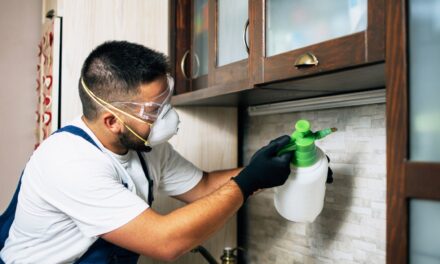
termite treatment. Subterranean termites, drywood termites, and dampwood termites all have unique behaviors, habitats, and vulnerabilities. A homeowner often lacks the expertise to correctly identify the species. Misidentification can lead to applying the wrong treatment, which is not only ineffective but can also waste time and money, allowing the infestation to worsen. Professionaltermite control servicesbegin with accurate identification. - Pesticide Misuse Hazards: Many chemical pesticides available to homeowners are not designed for the extensive and precise application needed for termite eradication. Incorrect use, over-application, or improper handling of these chemicals by untrained individuals can pose significant health risks to people, pets, and the environment. These chemicals can contaminate soil, water, and indoor air, leading to respiratory issues, skin irritation, or more severe health problems. Furthermore, improper pesticide use can violate local environmental regulations, leading to fines or legal issues.
- Lack of Specialized Knowledge & Tools: Professional
termite controlexperts possess a deep understanding of termite biology, their complex behaviors, and common hidden access points within a structure. They are also equipped with specialized tools and advanced termiticides that are simply unavailable or impractical for homeowners. This includes moisture meters to detect hidden damp areas that attract termites, boroscopes for inspecting wall voids without destructive entry, and highly effective, targeted termiticides like fipronil or insect growth regulators. Without this specialized knowledge and equipment, a homeowner’s efforts are essentially blind attempts against a highly organized and destructive enemy, underscoring the absolute need for experttermite control.
Deciphering Effective Termite Treatment Methods Employed by Professionals
When it comes to battling termites, a professional approach is key. Termite control services employ a range of sophisticated and proven termite treatment methods designed to effectively eliminate current infestations and protect your home from future attacks.
The Foundation: Comprehensive Assessment
Before any termite treatment can begin, termite control services always start with a thorough and detailed inspection. As the Purdue University Extension emphasizes, this initial assessment is the absolute basis for any effective plan to combat these pests. During this critical phase, trained professionals meticulously examine your property, both inside and out.
They aren’t just looking for visible termites; they are expertly identifying:
- Termite Species: Determining whether you have subterranean, drywood, or dampwood termites is crucial, as each species requires a different treatment strategy.
- Entry Points: Professionals locate where termites are gaining access to your home, which can be tiny cracks in the foundation, gaps around pipes, or direct wood-to-soil contact.
- Extent of Damage: They assess how widespread the infestation is and how much structural damage has already occurred, often using specialized tools to see behind walls or under floors.
- Contributing Environmental Factors: They identify conditions that attract termites, such as excessive moisture, wood piles near the foundation, or poor drainage around your home.
This comprehensive understanding allows them to tailor the most effective and efficient termite control strategy for your unique situation.
Overview of Advanced Termite Treatment Strategies
Professionals have an arsenal of advanced termite treatment strategies at their disposal, each suited for different types of termites and infestation levels.
Liquid Barrier Treatments (Conventional Treatment)
This is one of the most common and effective termite treatment methods, primarily used for subterranean termites. It involves applying a powerful liquid termiticide to the soil directly around the foundation of your structure, creating a continuous chemical barrier.
- Repellent termiticides work by deterring termites, creating a “no-go” zone that they avoid. Termites simply won’t cross the treated soil.
- Non-repellent termiticides, such as those containing fipronil, are more advanced. These chemicals are undetectable to termites, allowing them to unknowingly tunnel through the treated soil. As they do, the chemical sticks to their bodies. Termites then carry the chemical back to their colony, where they transfer it to other termites through social interactions like grooming and feeding. This “transfer effect” leads to widespread elimination of the colony over time.
This method boasts high effectiveness when applied correctly, often requiring specialized techniques like trenching and drilling into concrete slabs to ensure the barrier is complete and continuous. According to the University of California Statewide Integrated Pest Management Program (UC IPM), proper application of liquid barriers can provide long-lasting protection against subterranean termites.
Termite Baiting Systems
Termite baiting systems offer an alternative and often less disruptive termite control solution, also primarily for subterranean termites. These systems consist of discreet monitoring stations placed in the ground around the perimeter of your home, typically every 10-20 feet.
- Initially, these stations contain untreated wood or paper to attract foraging termites.
- Once termite activity is detected within a station, the monitoring material is replaced with a specialized bait matrix. This bait contains an insect growth regulator (IGR) or another slow-acting toxicant.
- Worker termites feed on this bait, finding it more appealing than wood. Crucially, they do not die immediately. Instead, they carry the bait back to their colony and share it with other colony members, including the queen.
- The IGRs disrupt the termites’ ability to grow and molt, leading to a gradual decline in the colony’s health and eventual elimination.
This method is highly effective and environmentally friendly, as it uses less chemical than liquid treatments. It requires ongoing monitoring by termite control services to ensure the bait is consistently available and effective. The Texas A&M AgriLife Extension notes that baiting systems can provide excellent long-term termite control for homeowners.
Fumigation (Tenting)
Fumigation, often referred to as “tenting,” is a specialized and intensive termite treatment primarily reserved for severe, widespread drywood termite infestations where other localized methods would not be sufficient.
- The process involves completely covering the entire structure with a large, airtight tent.
- Once sealed, a fumigant gas, such as sulfuryl fluoride, is introduced into the tent. This gas penetrates every crack, crevice, and piece of wood within the structure, effectively reaching and killing drywood termites wherever they hide.
- Due to the nature of the gas, occupants, including pets, must vacate the property for several days, typically 24 to 72 hours, until the gas has safely dissipated and the home is certified clear.
While fumigation provides thorough eradication of an existing drywood termite colony, it offers no residual protection against future infestations. Therefore, follow-up preventative measures might be recommended. The University of Florida IFAS Extension provides detailed information on the fumigation process and its effectiveness for drywood termite elimination.
Localized Treatments
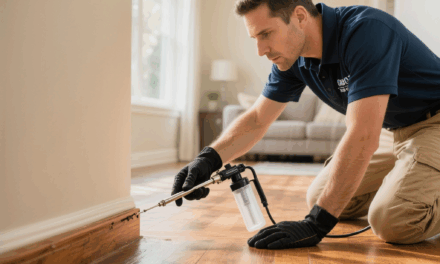
For smaller, contained drywood termite infestations, termite control services may opt for localized treatments. These involve directly treating the infested wood in a targeted manner without requiring whole-structure fumigation.
- Methods include directly injecting liquid termiticides into galleries within the wood.
- Heat or cold treatments can also be applied directly to specific infested areas, which kill termites by extreme temperature changes.
These methods are less disruptive but depend heavily on accurately pinpointing the exact location of the infestation.
Physical Barriers
Physical barriers are a preventive measure rather than a solution for existing termite problems. These are primarily installed during the construction phase of a building.
- Examples include stainless steel mesh or sand barriers (specific particle sizes) placed around the foundation or entry points.
- These barriers are designed to physically block termites from gaining access to the structure. While they are highly effective in preventing future infestations, they cannot solve an existing problem and are not a form of
termite treatmentfor active colonies.
Integrated Pest Management (IPM) and Ongoing Monitoring
Many professional termite control services adopt an Integrated Pest Management (IPM) approach. The EPA strongly advocates for IPM as a holistic and environmentally responsible strategy for pest management. For termites, IPM combines several key steps:
- Inspection: Thorough initial and ongoing evaluations.
- Identification: Accurate diagnosis of the termite species.
- Treatment: Implementation of targeted
termite treatmentmethods. - Monitoring: Regular checks to assess treatment effectiveness and detect new activity.
- Prevention: Recommendations for reducing termite attractants and vulnerabilities around your home.
Professional termite control services often include ongoing monitoring and follow-up inspections as part of their service packages. This long-term commitment ensures sustained protection against these persistent wood-destroying pests, providing lasting peace of mind. This continuous vigilance is vital because even after a successful termite treatment, new colonies can attempt to establish themselves over time.
How to Choose the Best Termite Control Service for Your Home
Selecting the best termite control service is a critical decision that impacts the safety and value of your home. With many options available, knowing what to look for can make all the difference in achieving effective, long-lasting termite control.
Experience and Track Record
When searching for a termite control service, prioritize companies with a solid track record specifically in termite control. This specialized field requires expertise that goes beyond general pest control. Termites are complex pests, and their behavior, identification, and treatment methods are unique.
Look for companies that have been in business for several years. Longevity often correlates with reliability, a deep understanding of local termite species, and extensive experience in diverse infestation scenarios. An experienced provider will have refined their termite treatment protocols and be better equipped to handle any challenges that arise.
Licensing, Insurance, and Professional Certifications
Before hiring any termite control service, it is absolutely essential to verify their credentials.
- State and Local Licenses: Ensure the company holds all necessary licenses for pest control and, specifically, for applying pesticides in your area. These licenses confirm that the business and its technicians meet regulatory standards and have the required training.
- Liability Insurance: Confirm that the company carries adequate liability insurance. This protects you in case of any accidental damage to your property during the
termite treatmentprocess or if a technician is injured on your property. Never work with an uninsured company. - Professional Certifications: Look for certifications from reputable industry organizations, such as the National Pest Management Association (NPMA). Membership in such organizations indicates a commitment to industry best practices, ethical conduct, and ongoing professional development and training. These certifications are a strong sign of a high-quality
termite control service.
Guarantees and Warranties
A reputable termite control service stands behind its work. Inquire about any guarantees or warranties they offer.
- Many companies provide a guarantee that includes re-treatment at no additional cost if termites reappear within a specified period after the initial
termite treatment. This is a crucial assurance of their confidence in their methods. - Carefully read and understand the terms and duration of any provided warranty. Some warranties might be for one year, while others could extend longer. Be aware that some providers offer annual renewal options for their warranty, which can provide ongoing protection and peace of mind against future infestations. A strong warranty can differentiate the
best termite control servicefrom others.
Customer Reviews and Testimonials
In today’s digital age, customer feedback is an invaluable resource. Before making a decision, take the time to check independent review platforms.
- Websites like Google Reviews, Yelp, Angi (formerly Angie’s List), and the Better Business Bureau (BBB) offer insights into a company’s reliability, customer service, and the effectiveness of their
termite controlefforts. - Pay attention to common themes in the reviews. Are customers consistently praising their professionalism, thoroughness, and communication? Or are there recurring complaints about missed appointments, ineffective treatments, or hidden costs? These insights are key to identifying the
best termite control servicethat aligns with your expectations.
Transparency in Inspection and Pricing
A hallmark of a professional and trustworthy termite control service is transparency.
- A reputable company will always conduct a thorough initial inspection. After the inspection, they should clearly explain their findings to you, including the type of termites, the extent of the infestation, and any damage found.
- Following the inspection, they will provide a detailed, written proposal. This document should explicitly outline the recommended
termite treatmentplan, the specific methods they intend to use, the chemicals involved, and a clear, transparent breakdown of all costs. - Be wary of companies that offer quick fixes without a proper inspection or pressure you into making immediate decisions. High-pressure sales tactics or vague pricing are red flags that could indicate an unreliable
termite control service.
Use of Safe, Effective, and Environmentally Responsible Options
Ask prospective termite control services about the termiticides and methods they plan to use.
- Reputable companies utilize only EPA-registered products, ensuring that the chemicals are tested and approved for safety and effectiveness. They should also strictly adhere to application guidelines to minimize risks to your family, pets, and the environment. They should be able to clearly explain all safety precautions you need to take before, during, and after treatment.
- If environmental concerns are a priority for you, discuss options for reduced-impact treatments or comprehensive Integrated Pest Management (IPM) strategies. The
best termite control servicewill be able to offer and explain a range of solutions that balance effectiveness with environmental responsibility.
Finding Reliable Termite Control Near Me: Local Expertise Matters
When termites threaten your home, finding prompt and effective termite control near me is essential. Local expertise can make a significant difference in how quickly and successfully your termite problem is resolved.
Tips for Searching and Vetting Local Providers
Starting your search for a local termite control service is easier than you think.
- Begin with online searches using specific phrases like “
termite control [your city/region]“ or “pest control near me termites.” This will help you find local companies actively serving your area. - Don’t underestimate the power of word-of-mouth. Ask trusted neighbors, friends, or even local real estate agents for their recommendations. Personal endorsements can often lead you to reliable providers.
- Another valuable resource is your state’s pesticide regulatory agency or agricultural department. These government bodies often maintain lists of licensed pest control operators in your region, ensuring you are considering legitimate and qualified businesses for your
termite controlneeds.
The Crucial Importance of Local Knowledge
Choosing a termite control service with local knowledge is immensely beneficial for several reasons:
- Understanding Specific Termite Species: Different regions often host different primary termite species. For example, subterranean termites are widespread across much of the U.S., but drywood termites are more common in coastal and southern states. A local professional understands the specific species prevalent in your immediate area, their unique behaviors, nesting habits, and vulnerabilities. This allows for a more targeted and effective
termite treatment. - Familiarity with Local Conditions: Local
termite controlexperts are familiar with the soil types, common building practices, and environmental factors specific to your region. These elements can significantly influence termite activity and the effectiveness of varioustermite treatmentmethods. For instance, soil composition can affect how liquid termiticides spread, and regional humidity levels can impact termite swarming seasons. They know what works best in your local climate and conditions. This local insight is invaluable for developing a robusttermite controlplan.
Initial Inspection and No-Obligation Quote
Most reputable termite control near me companies understand the urgency and offer a valuable service: a free initial inspection and a no-obligation quote. This allows you to:
- Compare Proposals: Get detailed quotes from several local providers to compare their recommended
termite treatmentplans, methodologies, and pricing. - Assess Professionalism: Observe their thoroughness during the inspection. Did they check all potential problem areas? Did they use specialized tools? A good professional will take their time, explain their findings clearly, and answer all your questions about the proposed solutions and the
termite controlprocess. This initial interaction is a great way to gauge their expertise and customer service.
Prompt Action for Local Infestations
Given the speed at which termites can cause significant damage, choosing a local termite control service that can respond promptly is critical.
- A local company can typically schedule inspections and initiate
termite treatmentmuch faster than a service located further away. This rapid response is crucial to halt the ongoing destruction and prevent further escalation of the infestation. - When dealing with wood-destroying organisms, every day counts, and a swift response from a nearby expert can save you substantial repair costs down the line.
Conclusion: Secure Your Sanctuary: The Lasting Value of Expert Termite Control Services
Termites are a relentless threat to any home, capable of inflicting severe, costly damage hidden from plain sight. That’s why investing in professional termite control services is not just an expense, but a crucial investment in the long-term safety and value of your property. The peace of mind that comes from knowing your home is protected far outweighs the potential costs of repairing extensive termite destruction. Choosing expert termite control will ultimately lead to significantly greater financial savings compared to the immense expenses associated with structural repairs.
Key Takeaways to Protect Your Home:
- Early Detection: Be constantly vigilant for any early signs of termites, no matter how small. Catching an infestation early is your best defense against widespread damage and costly
termite treatment. - Professional Assessment: Don’t guess or attempt DIY solutions. Always trust experts for accurate identification of termite species and a comprehensive evaluation of your
termite controlneeds. Their specialized knowledge and tools are irreplaceable. - Strategic Treatment: Ensure that a tailored, effective, and safe
termite treatmentplan is implemented. Professionals utilize methods specifically designed for different termite species and infestation levels, guaranteeing the most efficient elimination. - Ongoing Protection: Consider long-term solutions, including regular monitoring and follow-up inspections, for sustained defense against future infestations.
Termite control servicesoffer peace of mind that lasts.
Don’t let silent destroyers compromise your most valuable asset. Take proactive steps today to safeguard your home. Contact a qualified local termite control service today to schedule an inspection and protect your sanctuary for years to come.
Frequently Asked Questions
What are the most common signs of a termite infestation?
Key signs include mud tubes on walls or foundations, discarded wings near windows or light sources, small piles of ‘frass’ (termite droppings) resembling sawdust, hollow-sounding wood when tapped, or subtle visual changes like blistered or sagging wood surfaces. Prompt action upon noticing any of these indicators is crucial.
Why can’t I just use DIY methods for termite control?
DIY methods are generally ineffective because they rarely reach the entire hidden colony, which can be vast and deeply embedded. Misidentification of termite species can lead to incorrect treatments, and improper use of pesticides can pose health and environmental risks. Professionals have the specialized knowledge, tools, and advanced termiticides required for complete eradication and long-term prevention.
How long does professional termite treatment last?
The duration of effectiveness varies depending on the treatment method used (e.g., liquid barriers, baiting systems), the termiticide applied, and environmental factors. Many professional treatments offer protection for several years, typically 5-10 years for liquid barriers. However, ongoing monitoring and annual inspections are often recommended to ensure sustained protection and address any new activity.
Is termite treatment safe for my family and pets?
Reputable `termite control services` prioritize safety. They use EPA-registered products and follow strict application guidelines to minimize risks. They will clearly explain any necessary precautions, such as vacating the premises during fumigation or keeping pets away from treated areas for a short period. Always discuss any concerns with your pest control professional beforehand.
What’s the difference between liquid barrier treatments and baiting systems?
Liquid barrier treatments involve applying a continuous chemical barrier in the soil around your home’s foundation to deter or kill termites upon contact. Baiting systems use discreet stations with slow-acting toxic bait that foraging termites carry back to their colony, eventually eliminating it. Liquid barriers offer immediate protection, while baiting systems provide a more gradual, but often comprehensive, colony elimination with less chemical usage.