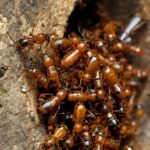
Effective Cockroach Control: Your Comprehensive Guide to Professional Eradication and Prevention
Estimated reading time: 10–14 minutes
Key Takeaways
- Effective cockroach control is crucial due to significant health risks, rapid breeding, and the adaptable nature of these pests.
- Professional cockroach pest control is often the only truly effective solution, surpassing DIY methods which typically fail to address hidden infestations.
- Treatment involves a multi-part Integrated Pest Management (IPM) approach, including inspection, targeted baits, residual sprays, dusts, and Insect Growth Regulators (IGRs).
- Kitchens are prime cockroach hotspots, requiring specialized cockroach control in kitchen strategies and homeowner prevention efforts.
- Choosing a reputable provider involves checking licenses, experience, eco-friendly options, clear communication, insurance, and transparent pricing.
Table of Contents
- Effective Cockroach Control: Your Comprehensive Guide to Professional Eradication and Prevention
- Key Takeaways
- Facing the Cockroach Menace
- Why Professional Cockroach Control is Crucial
- Resilience and Rapid Breeding of Roaches
- Limitations of DIY Methods for Pest Control
- Professional Pest Control as the Most Effective Solution
- Understanding Professional Cockroach Treatment Options
- Inspection and Identification for Effective Treatment
- Targeted Baiting Systems: A Smart Treatment
- Residual Sprays and Dusts
- Insect Growth Regulators (IGRs): Breaking the Cycle
- Integrated Pest Management (IPM) Approach
- Tackling the Hotspot: Cockroach Control in Kitchens
- Why Kitchens are Prime Breeding Grounds
- Specific Strategies for Kitchen Environments
- Actionable Tips for Prevention in the Kitchen
- What to Expect from a Cockroach Pest Control Service
- Initial Assessment and Quote
- Preparation Guidelines for Homeowners
- The Treatment Process
- Follow-up Visits and Monitoring
- Guarantees and Warranties
- Choosing the Right Cockroach Pest Control Provider
- Licensing and Certification
- Experience and Reputation for Cockroach Control
- Use of Eco-friendly/IPM Options
- Customer Service and Communication
- Insurance
- Transparent Pricing for Cockroach Control
- Conclusion
- Frequently Asked Questions
Facing the Cockroach Menace
Finding a cockroach in your home or business can cause immediate distress. These unwanted guests are more than just a scary sight; they bring serious health risks and can quickly turn your comfortable space into a constant worry. That’s why effective cockroach control is not just a luxury, but a necessity for a healthy environment.
Cockroaches are not simply annoying creatures; they are known carriers of many harmful germs, or pathogens. Both the Centers for Disease Control and Prevention (CDC) and the World Health Organization (WHO) confirm that these pests can spread different kinds of bacteria, such as Salmonella and E. coli. These bacteria are well-known for causing food poisoning and other tummy troubles like dysentery. Roaches can also carry viruses, fungi, and parasitic worms, making them a significant health threat.
Beyond spreading germs, cockroach allergens are a major problem, especially for people with breathing issues. The Environmental Protection Agency (EPA) and university experts, like those at the University of California, Davis (UC Davis), highlight that these allergens are a main trigger for asthma, particularly in busy city areas. They can also make allergic rhinitis (hay fever) and skin rashes much worse. The mere presence of these creepy crawlers can cause a lot of worry and even embarrassment, which shows why proper cockroach pest control is so important.
The need for effective action is urgent because cockroaches breed very quickly, are tough, and like to hide. Consider this fact: a single female German cockroach, which is the most common kind found indoors, can lay several egg cases. Each case holds 30 to 48 eggs. This means a small problem can turn into a huge infestation very rapidly. Without focused and ongoing efforts for cockroach control, these pest problems can become very severe, harming both your health and your quality of life. Getting rid of these persistent bugs is key to maintaining a safe and pleasant living or working space.
Why Professional Cockroach Control is Crucial
Cockroaches are incredibly adaptable and tough pests. Their ability to survive makes professional intervention for cockroach control often the only truly effective solution. Understanding their resilience helps explain why DIY methods usually fall short.
Resilience and Rapid Breeding of Roaches
These hardy insects can survive for weeks without food and even days without water, showing just how difficult they are to get rid of. They are also masters of hiding, able to squeeze into cracks as thin as 1/16th of an inch. This means they can disappear into tiny spaces in your walls, floors, and appliances, making them nearly impossible to find and eliminate with simple household efforts.
If you start seeing cockroaches scurrying about during the day, it’s a strong sign that your home or business already has a very large infestation. This is because roaches are usually nocturnal, meaning they prefer to come out at night. If they are visible during daylight hours, their hiding spots are likely overflowing. This insight comes from experts at Purdue University Extension, who understand cockroach behavior. Their fast reproduction means that without thorough and consistent cockroach control measures, their populations can quickly bounce back, negating any temporary relief you might have found.
Limitations of DIY Methods for Pest Control
Many people try to tackle cockroach problems on their own using sprays and traps bought from stores. However, these over-the-counter products typically only kill the cockroaches you can see. They very rarely deal with the hidden nests, the hard-to-find egg cases, or the secret places where roaches live and breed. This means you might kill a few bugs, but the main problem keeps growing in the background.
A hidden danger with many do-it-yourself pest products is that they contain repellents. These chemicals don’t kill the roaches but instead push them away. This can cause the insects to scatter, driving them deeper into walls, into neighboring apartments, or into other areas of your building. This scattering actually makes it much harder for professionals to find and treat the infestation later on. Another serious issue is that cockroaches can develop a resistance to certain insecticides. This means that common household products might become completely ineffective over time. The National Pest Management Association (NPMA) has raised concerns about this growing resistance, stressing the need for more advanced solutions.
All these factors show why professional cockroach pest control is a much more complete and lasting solution. Experts don’t just kill the visible bugs; they target the entire infestation.
Professional Pest Control as the Most Effective Solution
Hiring professional pest managers means you get experts who know a lot about cockroach biology, how they behave, and where they like to hide. This deep knowledge allows them to correctly identify the specific type of cockroach causing trouble, find where the hidden populations are, and use targeted treatments that actually work.
Professionals use special, powerful products and techniques that are not available to the general public. These methods ensure deeper penetration into hiding spots and provide longer-lasting effects for effective cockroach control. Their approach is designed to eradicate the infestation from its source, not just temporarily reduce the number of visible pests. This results in a truly pest-free environment and peace of mind.
Understanding Professional Cockroach Treatment Options
Professional cockroach treatment doesn’t rely on just one method. Instead, it uses a smart, multi-part approach, often following the ideas of Integrated Pest Management (IPM) to get the best results. This careful strategy is key to getting rid of these tough pests for good.
Inspection and Identification for Effective Treatment
This is the very first and most important step in any good cockroach treatment. A trained technician will thoroughly inspect all the places where cockroaches might be hiding. They will identify the exact species of cockroach (for example, German, American, or Oriental roaches) and figure out how bad the infestation is and where the roaches are getting in. This detailed detective work is extremely important because different types of cockroaches need different ways of being treated. As various University Extension services point out, knowing the species helps tailor the most effective plan.
Targeted Baiting Systems: A Smart Treatment
Baits are a very effective way to get rid of cockroaches, especially German cockroaches. These are usually gel baits that contain a slow-acting insecticide. Professionals place these baits carefully in cracks, crevices, and other hidden places where roaches forage for food.
The clever part about baits is their “domino effect.” Cockroaches eat the bait, but because it’s slow-acting, they have time to go back to their nest. There, they die, and other cockroaches might eat their bodies or their contaminated droppings. This spreads the insecticide through the whole nest, killing many more roaches than just the one that ate the bait. This “secondary transfer” significantly reduces the population within the nest, making it a powerful cockroach treatment. When applied correctly, these baits are generally safe for humans and pets, making them a key part of professional pest management.
Residual Sprays and Dusts
Professionals also use residual liquid insecticides and special dusts. These are applied in specific areas where cockroaches hide, but away from where food is prepared. Think wall voids, under large appliances, behind baseboards, and in plumbing spaces. The dusts are especially good for hard-to-reach places like inside electrical outlets or plumbing voids.
These treatments create a lasting barrier. Cockroaches that walk through these treated areas will either die on contact or absorb the insecticide, which then kills them later. This provides ongoing cockroach treatment and helps to prevent new infestations.
Insect Growth Regulators (IGRs): Breaking the Cycle
Insect Growth Regulators, or IGRs, are substances that act like the natural hormones of cockroaches. They mess up the cockroaches’ life cycle, preventing them from growing and reproducing properly. Their main job is to stop young cockroaches from developing into adult roaches that can lay eggs, or to make adult roaches unable to have babies.
IGRs don’t kill cockroaches right away. Instead, they work slowly to stop the infestation from growing. By breaking the reproductive cycle, IGRs provide excellent long-term cockroach treatment and are crucial for keeping the problem under control over time. The EPA highlights IGRs as a safer choice for pest management when used properly, especially in sensitive environments, because they specifically target insects and have low toxicity to mammals.
Integrated Pest Management (IPM) Approach
Integrated Pest Management, or IPM, is a smart and sustainable way to handle pests, recommended by organizations like the EPA and the USDA. It’s a holistic cockroach treatment approach that looks at the big picture for long-term control with minimal environmental impact.
For managing cockroaches, IPM has several key parts:
- Inspection and Monitoring: This involves regular checks to find and track where pests are active. This helps pest control experts know exactly what they are dealing with and where to focus their efforts.
- Non-chemical Methods: These are steps you can take without using pesticides. They include exclusion, which means sealing up cracks and crevices to block entry points, improving sanitation (keeping things very clean), and reducing moisture (fixing leaky pipes or wiping up spills).
- Targeted Chemical Applications: When chemicals are needed, IPM uses the safest and most effective pesticides, like baits and IGRs, and applies them only in specific places where they are needed, rather than spraying everywhere.
- Education: A good IPM plan also involves teaching homeowners and business owners about prevention steps they can take to keep cockroaches from coming back.
The goal of IPM is to provide effective, long-term cockroach treatment while using fewer pesticides and reducing any potential harm to the environment or people.
Tackling the Hotspot: Cockroach Control in Kitchens
Kitchens are often the favorite hangout for cockroaches, and for good reason. They offer everything these pests need to thrive: food, water, warmth, and countless places to hide. Therefore, specialized cockroach control in kitchen areas is essential.
Why Kitchens are Prime Breeding Grounds
Kitchens provide the perfect environment for cockroaches. There are always tiny food scraps, crumbs, and grease splatters. Water is abundant from leaky pipes, condensation from appliances, or even just drips from the sink. The warmth from ovens, refrigerators, and dishwashers also attracts them. And, of course, kitchens have many natural hiding spots: cracks in cabinets, behind and under appliances, under sinks, and inside wall voids.
The UC IPM Program consistently identifies kitchens as primary cockroach hotspots. This makes focused cockroach control in kitchen a highly specialized and critical task for pest management professionals. Without addressing these specific conditions, any treatment will likely be short-lived.
Specific Strategies for Kitchen Environments
Because kitchens are such appealing places for cockroaches, professionals use very specific strategies for cockroach treatment there:
- Targeted Treatment: Technicians focus their cockroach treatment precisely on the key hiding and breeding areas. This means applying treatments inside and under cabinets, behind and under major appliances like the stove, refrigerator, and dishwasher, along baseboards, around all plumbing fixtures, and within any cracks and crevices they find.
- Importance of Sanitation: Professional cockroach treatment works much better when people also keep their kitchens very clean. This includes regularly wiping up spills, crumbs, and grease, storing all food in containers that seal tightly, taking out the trash often, and fixing any leaky faucets right away. The EPA stresses that good sanitation reduces the food and water available to roaches, making baits more attractive and effective for cockroach control in kitchen areas. It removes their survival resources.
- Safe Application Methods: Professionals are specially trained to apply cockroach treatment safely in areas where food is prepared. They use contained baits that are placed out of sight or apply residual sprays and dusts only into cracks, crevices, and voids where there’s little to no chance of food touching them. They always follow product labels and strict safety rules to keep your kitchen safe.
Actionable Tips for Prevention in the Kitchen
You can do a lot to help with cockroach control in kitchen areas and prevent roaches from coming back after treatment:
- Eliminate Food Sources: Always store all food in sealed, airtight containers. Wipe down counters and stovetops daily to remove any crumbs or spills. Sweep and vacuum floors regularly, especially under appliances, to get rid of any stray food bits.
- Manage Moisture: Fix any leaky faucets, pipes, or drains right away. Wipe up any standing water, especially around the sink and behind appliances. Make sure your kitchen has good air flow or ventilation to reduce humidity.
- Remove Harborage: Seal all cracks and crevices in your walls, floors, and around pipes with caulk or a sealant. Declutter your pantry and cabinets. Less mess means fewer places for roaches to hide and makes it easier to spot any activity for effective cockroach control in kitchen.
- Waste Management: Always use trash cans with tight-fitting lids. Empty your trash frequently, especially before you go to bed, as cockroaches are most active at night. Don’t leave pet food out overnight.
By following these tips, you can significantly reduce the appeal of your kitchen to cockroaches, making any professional cockroach treatment much more successful and long-lasting.
What to Expect from a Cockroach Pest Control Service
When you decide to hire a professional cockroach pest control service, you can generally expect a clear and structured process. This ensures that the cockroach treatment is effective and thorough, giving you the best chance to get rid of these pests.
Initial Assessment and Quote
The first step usually involves a qualified technician visiting your home or business. They will conduct a thorough inspection. This inspection helps them figure out what kind of cockroach species you have, how bad the infestation is, and how far it has spread. Based on what they find, they will give you a detailed cockroach treatment plan. This plan will include an estimated cost and explain what results you can expect from their services.
Preparation Guidelines for Homeowners
Good and trustworthy pest control companies will give you clear instructions on how to prepare your home or business before the cockroach treatment begins. Following these instructions is very important for the treatment to work well.
Common instructions often include:
- Thoroughly cleaning your kitchen, making sure to remove all crumbs, food spills, and grease.
- Emptying cabinets and pantries, and placing all food items and dishes into sealed bins or containers.
- Moving appliances like your stove and refrigerator away from walls to allow access behind them.
- Making sure pets and children are secured or removed from the premises during and immediately after the cockroach treatment.
Always remember that carefully following these guidelines is key to the success of the cockroach treatment. It helps the technicians access all the necessary areas and ensures the pesticides work as intended.
The Treatment Process
During the actual service, the technicians will apply a combination of baits, IGRs (Insect Growth Regulators), and residual treatments. This multi-pronged approach targets cockroaches at different life stages and in various hiding spots. The initial cockroach treatment is usually very thorough and comprehensive. Depending on the severity of the infestation, this first visit is often followed by additional visits to ensure complete eradication.
Follow-up Visits and Monitoring
Getting rid of cockroaches often requires more than just one visit. It typically takes multiple treatments spread over several weeks or even months. This is because eggs can hatch after the first treatment, and new young cockroaches might appear. Professionals will schedule follow-up visits to check for any remaining activity, reapply cockroach treatment as needed, and see how well their plan is working. These follow-ups are crucial for achieving complete and lasting cockroach pest control.
Guarantees and Warranties
Many respected cockroach pest control companies offer guarantees or warranties for their services. This typically means that if you still see cockroach activity within a certain period after the initial service, they will return for additional cockroach treatment at no extra charge. This provides peace of mind and shows the company stands behind its work. It’s always a good idea to read and understand the terms and conditions of any guarantee before committing to a service.
Choosing the Right Cockroach Pest Control Provider
Picking the right professional is a very important step for getting effective and safe cockroach pest control. With so many options available, knowing what to look for can help you make the best choice for your home or business.
Licensing and Certification
First, you should always check that the pest control company and its technicians are licensed by your state’s pest control regulatory agency. This license shows they meet basic requirements and are allowed to operate. Technicians should also have the right certifications, which proves they have the knowledge and follow industry standards. The NPMA strongly recommends verifying these credentials to ensure you’re working with qualified individuals.
Experience and Reputation for Cockroach Control
Look for companies that have a long history of successfully dealing with cockroach control. A company with many years of experience will have encountered various types of infestations and will know the best ways to handle them. Check online reviews, read testimonials, and don’t be afraid to ask for references. Reputable companies will have lots of positive feedback and a strong track record of satisfied customers.
Use of Eco-friendly/IPM Options
It’s a good idea to ask if the company uses an Integrated Pest Management (IPM) approach. This method focuses on long-term prevention and uses the safest treatments. Also, inquire if they offer low-impact, environmentally friendly options. This is especially important if you have children, pets, or family members with allergies or sensitivities. A commitment to responsible cockroach pest control means they prioritize your safety and the environment.
Customer Service and Communication
A good pest control provider should communicate clearly and openly. They should explain the entire cockroach control plan to you in easy-to-understand terms, answer all your questions, and address any concerns you have. They should also provide detailed instructions for how to prepare your space before treatment and what to do afterwards. Good communication means you’ll feel informed and confident throughout the process.
Insurance
Before any work begins, make sure the company carries enough liability insurance. This insurance is crucial because it covers any potential damages or accidents that might happen during the cockroach pest control service. Asking for proof of insurance can protect you from unexpected costs.
Transparent Pricing for Cockroach Control
Always get a detailed written quote that clearly lists all the services they will provide and all the associated costs. This should include any follow-up visits. Be wary of unusually low bids, as they might signal poor service quality, hidden fees, or a less effective approach to cockroach control. A transparent pricing structure means you know exactly what you’re paying for.
Conclusion
Facing a cockroach infestation can be a truly upsetting experience, but it’s important to remember that effective cockroach control is within reach. Getting rid of these pests is essential not just for your health and safety, but also for your peace of mind and the comfort of your home or workplace. While some might try do-it-yourself methods, professional intervention is very often the most effective and lasting solution.
Don’t let these resilient pests take over your space. If you are struggling with a cockroach problem, don’t delay in taking action. Use the guidelines we’ve provided in this comprehensive guide to seek out a reputable cockroach pest control provider today. By choosing qualified professionals, you can reclaim a safe, clean, and truly pest-free home.
Frequently Asked Questions
-
Why is professional cockroach control crucial?
Cockroaches are incredibly resilient, breed rapidly, and hide in hard-to-reach places. DIY methods often only kill visible pests without addressing hidden nests or egg cases, and may even scatter the infestation. Professionals possess the deep knowledge, specialized products, and targeted strategies (like baits, IGRs, and residual sprays) to fully eradicate infestations and prevent recurrence, unlike limited over-the-counter solutions.
-
What are the main health risks associated with cockroaches?
Cockroaches are known carriers of various pathogens, including bacteria like Salmonella and E. coli, which can cause food poisoning and dysentery. They can also spread viruses, fungi, and parasitic worms. Furthermore, cockroach allergens are a significant trigger for asthma, especially in urban areas, and can worsen allergic rhinitis and skin rashes.
-
What role does Integrated Pest Management (IPM) play in cockroach treatment?
IPM is a smart, multi-part approach that uses a combination of strategies for effective, long-term cockroach control with minimal environmental impact. It involves thorough inspection and monitoring, non-chemical methods like improved sanitation and exclusion, targeted use of the safest chemical applications (like baits and IGRs), and homeowner education. This holistic approach targets the infestation at its source and disrupts its life cycle.