Estimated reading time: 13 minutes
Key Takeaways
- Termites are “silent destroyers” causing billions in damage annually, often without immediate visible signs.
- Professional termite control services are essential for effective identification, treatment, and prevention.
- DIY methods are largely ineffective due to the complexity and hidden nature of termite colonies.
- Understanding treatment options like liquid barriers, bait systems, fumigation, and localized treatments is crucial.
- Choosing the best termite control service requires checking licensing, experience, reputation, comprehensive inspections, transparent pricing, warranties, and safety practices.
- Local termite control near me offers advantages like familiarity with local species, understanding environmental factors, and faster response times.
- Proactive action and professional expertise are the best defense against termites and protecting your home’s integrity.
Table of contents
- Choosing the Best Termite Control Services: Your Ultimate Guide to Effective Termite Treatment
- Key Takeaways
- The Silent Threat: Why Professional Termite Control is Crucial for Your Home’s Integrity
- Understanding Termite Treatment Options: What to Expect from Professional Termite Control
- How to Choose the Best Termite Control Service for Your Home
- Finding Termite Control Near You: The Value of Local Expertise
- Conclusion: Taking Action: Protecting Your Investment with Professional Termite Control Services
- Frequently Asked Questions
Imagine tiny, hidden invaders slowly eating away at the very foundation of your home. That’s the silent, destructive power of termites. These tiny pests pose a significant threat to homes and properties everywhere, often causing damage long before you even know they are there.
Termites are often called “silent destroyers” for a good reason. They can cause extensive, hidden damage to the wooden structures of your home without any immediate visible signs. This unseen destruction leads to billions of dollars in property damage annually, making them one of the most feared household pests.
But there’s good news. You don’t have to fight these stealthy invaders alone. Professional termite control services are the essential solution to identify, treat, and prevent these destructive pests. These expert services offer the specialized knowledge and tools needed to protect your most valuable asset – your home.
Understanding and selecting reliable termite control services is crucial for safeguarding your property from these wood-munching insects. This comprehensive guide will walk homeowners through understanding their options for termite treatment, choosing the best termite control service, and finding reliable termite control near me. By the end, you’ll be well-equipped to make informed decisions about protecting your home from these persistent pests.
The Silent Threat: Why Professional Termite Control is Crucial for Your Home’s Integrity
Homeowners simply cannot afford to overlook the critical need for professional termite control. These tiny wood-eating insects pose a continuous and often unseen danger to your property, threatening its structural soundness and value. Ignoring them can lead to devastating consequences.
The Destructive Nature of Termites
Termites are truly the “silent destroyers” of homes. These tiny insects are responsible for an estimated $5 billion in property damage annually in the U.S. What makes them so dangerous is their hidden feeding habits. They eat wood from the inside out, leaving the exterior surfaces seemingly intact. This means extensive damage can occur without homeowners noticing any obvious signs for extended periods. By the time visual clues appear, the damage is often widespread and costly. These structural pests can significantly compromise your home’s integrity.
The Hidden Extent of Infestations
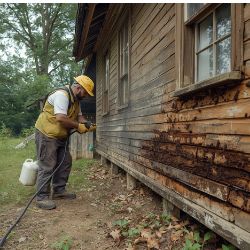
A termite infestation can spread extensively throughout your home before you even realize it. These subterranean insects can tunnel through walls, flooring, and structural timbers, hollowing them out from within. By the time you notice visible signs like sagging floors, crumbling wood, or tell-tale mud tubes, substantial structural damage may have already occurred. At this point, comprehensive termite treatment becomes an urgent necessity to halt further destruction and begin remediation. The scope of their activity is often far greater than what meets the eye, making professional assessment vital.
The Ineffectiveness of DIY Termite Control
Many reputable sources consistently warn homeowners against relying on do-it-yourself (DIY) termite control methods. The primary reason is the sheer complexity and size of termite colonies. Termite colonies can be vast, extending deep underground or within hard-to-reach structural components. Effectively eradicating an entire colony requires specialized knowledge of termite biology, sophisticated tools, and professional-grade chemicals.
Over-the-counter products available to consumers are typically inadequate for reaching the queen and the entire colony. They often only suppress visible termite activity temporarily, rather than eliminating the root cause of the infestation. This temporary relief can give homeowners a false sense of security, allowing the infestation to worsen unseen and cause even greater damage in the long run. Professional termite treatment is almost always necessary for complete control.
Long-Term Benefits of Professional Termite Control Services
Choosing professional termite control services offers numerous long-term benefits that DIY efforts simply cannot match. Experts provide comprehensive eradication, ensuring that the entire colony, including the queen, is targeted and eliminated. They also offer long-term protection plans, often backed by warranties or guarantees, giving you peace of mind.
Termite control specialists are trained to correctly identify the specific termite species invading your home, locate hidden nests, and apply targeted termite treatment methods. These methods are designed to be both safe for your family and pets, and highly effective against the pests. Investing in professional pest management is an investment in your home’s future.
Understanding Termite Treatment Options: What to Expect from Professional Termite Control
Professional termite control involves a range of specialized strategies. Understanding these primary methods used in professional termite treatment can help you know what to expect and why certain approaches are recommended. Often, a combination of these techniques is employed for maximum effectiveness against these destructive wood-destroying insects.
Liquid Barrier Treatments (Termiticides)
Liquid barrier treatments are a common and highly effective form of termite treatment, especially for subterranean termites.
- Mechanism Detail: A specialized liquid insecticide, known as a termiticide, is precisely applied to the soil around the foundation of your home. This creates a treated zone, or barrier, that termites cannot cross without being exposed to the chemical. There are two main types:
- Repellent Termiticides: These create a chemical barrier that termites detect and try to avoid. They kill termites that come into contact with the treated soil.
- Non-Repellent Termiticides: These are generally preferred by professionals today. Chemicals like fipronil and chlorantraniliprole are undetectable to termites. Termites unknowingly tunnel through the treated soil, pick up the chemical, and then spread it to other termites within the colony through contact and grooming. This is known as the “transfer effect,” leading to a gradual decline and eventual elimination of the entire colony.
- Application Detail: The application process is thorough. It often involves trenching around the foundation, rodding (injecting termiticide into the ground using long rods), and drilling into concrete slabs (like garages or patios) to ensure a continuous and unbroken chemical barrier.
- Suitability Detail: This method is highly effective for controlling subterranean termites, providing a robust and long-lasting protective perimeter around the structure. Modern non-repellent termiticides are particularly powerful in achieving colony elimination over time, offering superior long-term termite control.
Termite Bait Systems
Termite bait systems offer a different, often more environmentally conscious, approach to termite treatment.
- Mechanism Detail: Bait stations are strategically placed in the soil around the perimeter of your property. These stations contain cellulose material (which termites love to eat, mimicking their natural food source) impregnated with a slow-acting insecticide. Common active ingredients include insect growth regulators like hexaflumuron or noviflumuron. Foraging termites discover the bait, feed on it, and then share it with other colony members, including the queen, through a process called trophallaxis (food sharing). Because the insecticide is slow-acting, termites don’t immediately die, allowing them to spread the chemical throughout the colony before they succumb. This leads to a gradual decline and eventual elimination of the entire termite colony.
- Application Detail: Bait systems require regular monitoring by a professional. Technicians inspect the stations periodically to check for termite activity and replenish the bait as needed. This ensures a continuous supply of the active ingredient to effectively target the colony.
- Suitability Detail: Bait systems are considered an eco-friendlier option as they use significantly less chemical overall compared to liquid treatments, and they are less disruptive to your property. They are highly effective for subterranean termites, especially in situations where liquid treatments might be difficult or undesirable (e.g., near wells, sensitive landscaping, or certain foundation types). Baiting can also be used as a preventative measure. It’s important to note that while highly effective, colony elimination with bait systems can take longer than with liquid barrier treatments. This pest management strategy focuses on sustained impact.
Fumigation (Tenting)
Fumigation is a specialized and highly effective termite treatment reserved for specific types of infestations.
- Mechanism Detail: This method is primarily used for widespread drywood termite infestations. The entire structure is covered with a large, airtight tent. A gaseous pesticide, such as sulfuryl fluoride, is then introduced into the sealed tent. The gas penetrates all wooden elements within the structure, including hard-to-reach areas, effectively killing drywood termites and other hidden pests.
- Application Detail: Fumigation is a significant undertaking. Homeowners are required to vacate the property for several days (typically 24-72 hours) during the treatment. All food, plants, and pets must be removed from the home prior to the process to ensure safety. The property is then thoroughly aerated after the fumigation is complete.
- Suitability Detail: Fumigation is the most effective solution for whole-house eradication of drywood termite infestations, particularly when they are extensive and localized treatments are insufficient. It is a highly specialized form of termite treatment that guarantees to eliminate all drywood termites present within the treated structure, offering comprehensive pest eradication.
Direct Wood Treatments & Localized Spot Treatments
For smaller, more contained termite issues, direct and localized treatments can be highly effective.
- Mechanism Detail: These treatments involve directly applying insecticides to infested wood. This can include:
- Borate Treatments: Applying borate salts (like Bora-Care) to exposed wood surfaces. The borates penetrate the wood and act as a stomach poison for termites that ingest it, as well as a desiccant.
- Foam Insecticides: Injecting insecticidal foam into wall voids, galleries, or other inaccessible areas where termites are active. The foam expands to fill the void, delivering the active ingredient directly to the pests.
- Dusts: Injecting insecticidal dusts into termite galleries and tunnels. Termites pick up the dust and spread it to others in the colony.
Briefly, other physical methods like heat treatments (heating a specific area to lethal temperatures) or cold treatments (using liquid nitrogen to freeze termites) can also be used for very specific, accessible, and contained areas of infestation.
- Application Detail: These methods target specific, localized infestations that have been identified during a thorough inspection. They are not intended for widespread problems.
- Suitability Detail: Direct wood treatments and localized spot treatments are effective for smaller, contained infestations of either drywood or subterranean termites. They can also be used as a supplemental termite treatment in conjunction with other methods to address specific problem spots, offering a targeted approach to pest control.
The Importance of a Comprehensive Inspection
Regardless of the chosen treatment method, all reputable sources, including university extension programs and industry associations, stress that a thorough inspection by a qualified professional is the first and most critical step for any effective termite treatment.
This detailed inspection goes beyond a superficial glance. It identifies the specific termite species involved (subterranean, drywood, dampwood), the full extent of the infestation, termite entry points, and any conducive conditions that might be attracting termites (like moisture issues, wood-to-soil contact, or leaky pipes). Only with this crucial information can a skilled technician recommend and implement the most effective, tailored termite control plan, ensuring a precise and successful pest management strategy.
How to Choose the Best Termite Control Service for Your Home
Selecting a reliable and effective termite control service is paramount to protecting your home. This section will guide you through the essential factors to consider, helping you find the best termite control service tailored to your needs. Making an informed choice ensures long-term protection against these destructive pests.
Licensing and Certification
The very first step in choosing a pest control provider is to ensure that the company and its technicians are properly licensed by your state’s pest control regulatory agency. This is a non-negotiable requirement. Technicians should also be certified applicators, meaning they have passed exams demonstrating their knowledge of pest management, safety protocols, and proper chemical application. Proper licensing and certification are fundamental indicators of a reputable and trustworthy company, making it a baseline for finding the best termite control service. Always ask to see proof of licensing.
Experience and Expertise
Termite control is a specialized field. Look for companies with a long track record and technicians who are specifically trained and experienced in termite biology and various termite control methods. Inquire about their ongoing training programs. This ensures that their staff remains up-to-date with the latest advancements in termite treatment techniques, safety protocols, and industry best practices. An experienced team can accurately diagnose complex infestations and apply the most effective solutions.
Reputation and Reviews
A company’s reputation speaks volumes. Before making a decision, take the time to check online reviews on platforms like Google, Yelp, and the Better Business Bureau (BBB). Look for consistent positive feedback regarding their professionalism, effectiveness, and customer service. Also, ask for references from past clients. Be wary of companies with numerous complaints or very few reviews. A strong local reputation is often a reliable indicator of the best termite control service in your area.
Comprehensive Inspection
A truly good termite control service will always begin with a detailed, thorough inspection of your property. This is not a quick walk-through. Technicians should meticulously examine all potential entry points, areas of moisture, wood-to-soil contact, and existing damage. They should inspect your attic, crawl space, foundation, and all accessible wooden structures. After the inspection, they should provide you with a written report outlining their findings, identifying the termite species (if any), and clearly detailing their proposed termite treatment plan. This transparent approach is crucial for effective pest management.
Transparent Pricing and Contracts
Always obtain detailed written estimates from at least two or three different companies. These estimates should clearly itemize all costs associated with the termite treatment, including inspection fees, treatment costs, and any potential additional services. Make sure you understand what is included in the price and if there are any circumstances that could lead to additional charges. Review the contract carefully, paying attention to the terms of the service agreement for termite control services. Be wary of companies that offer deals that seem too good to be true or try to pressure you into making an immediate decision. A reputable company will give you time to review their proposal.
Warranty/Guarantee
A professional termite control company should stand behind its work. It’s essential to inquire about their warranties, guarantees, and service agreements. Understand precisely what they cover. Does the warranty cover re-treatment if termites return? Does it cover repairs for new damage caused by termites during the warranty period? What is the duration of the warranty, and what are the renewal options? A re-treatment warranty is standard practice for professional termite control and provides critical assurance for your investment.
Safety and Environmental Practices
When dealing with pesticides, safety is paramount. Encourage asking about the specific chemicals the company plans to use for your termite treatment. Verify that these products are registered with the Environmental Protection Agency (EPA) and ask about the safety precautions they will take to protect your children, pets, and the environment during and after the treatment. Reputable companies should adhere to Integrated Pest Management (IPM) principles where possible, which prioritize non-chemical solutions and minimize pesticide use while still achieving effective results. They should explain how they ensure safe application.
Insurance
Before any work begins, verify that the termite control service has adequate liability insurance and workers’ compensation insurance. Liability insurance protects you in case of any damage to your property during the termite treatment process. Workers’ compensation insurance protects the technicians and you if a worker gets injured on your property. Asking for proof of insurance is a responsible and necessary step to protect yourself from unforeseen liabilities.
Finding Termite Control Near You: The Value of Local Expertise
When faced with a termite problem, finding “termite control near me” can offer distinct advantages beyond just convenience. Choosing a local company for termite control often means benefiting from specialized knowledge and faster service, which are crucial for effective pest management.
Familiarity with Local Species
Local companies often possess specific expertise regarding the types of termites prevalent in your particular region. Different geographical areas can have different predominant species, such as subterranean termites (the most common, found in soil), drywood termites (infest dry wood directly), or dampwood termites (attracted to high-moisture wood). Each species has unique behaviors, preferred nesting sites, and vulnerabilities. A local expert’s understanding of these regional variations is crucial for recommending and implementing the most effective termite treatment strategy. This specialized knowledge directly translates to more targeted and successful pest eradication.
Understanding Environmental Factors
Local technicians are intimately familiar with the regional climate conditions, common soil types, and typical building practices in your area. These environmental factors significantly influence termite activity and the effectiveness of various termite control strategies. For example, high humidity, heavy rainfall, or specific soil compositions can impact how termites behave and where they are likely to infest. A local provider will know how these elements affect termite behavior and can tailor their termite treatment plan accordingly, ensuring optimal results and long-term prevention.
Faster Response Times
Proximity is a major benefit when you’re dealing with an active termite infestation. A local termite control service can offer quicker response times for initial inspections, prompt treatments, and efficient follow-up services or warranty calls. This swift action is especially critical when you suspect an active infestation, as minimizing the time termites spend damaging your home can save you significant repair costs. When you search for “termite control near me,” you’re seeking this vital advantage of rapid and convenient service.
Personalized Service and Reputation
Local businesses often have a deeper commitment to maintaining a positive community reputation. They rely on word-of-mouth referrals and repeat business from their neighbors. This often translates into more personalized attention, a greater focus on customer satisfaction, and a willingness to go the extra mile to ensure you’re happy with their termite control work. You’re not just another customer; you’re part of their community. This focus on individual client needs can make a big difference in the quality of service you receive.
Research Tips for Local Providers
When you need local termite control, start your search effectively.
- Search Terms: Use specific search terms like “termite control [your city/county]” or “pest control services near me” to narrow down your options.
- Local Directories: Check local business directories (both online and offline) and community forums for recommendations. Neighbors and community members often have valuable insights into reliable local providers and can point you towards the best termite control service in your immediate area.
- Verify Credentials: Always verify the licenses, insurance, and reputation (online reviews, BBB ratings) of any local company you consider, just as you would with any other provider.
Conclusion: Taking Action: Protecting Your Investment with Professional Termite Control Services
Termites are a formidable foe, capable of inflicting severe and hidden damage to your home. Investing in professional termite control services is not just an expense; it’s a vital investment in the long-term structural integrity and overall value of your most significant asset – your home. Proactive pest management is key to preventing costly future repairs.
Upon suspecting an infestation, prompt action is absolutely critical to minimize damage. Experts consistently underscore that a professional, thorough inspection, followed by a customized and effective termite treatment plan, provides the most reliable and long-lasting protection against these destructive wood-destroying pests. Delaying action only allows these “silent destroyers” more time to cause irreversible harm.
Don’t wait for visible signs of damage to appear. If you suspect termites, or even if you simply want preventative protection, the best termite control service action you can take is to schedule a consultation with a trusted, licensed, and reputable termite control service provider immediately. Protect your home and your peace of mind from the silent threat of termites.
Frequently Asked Questions
A1: Termites are often hidden, but look for signs like mud tubes on foundation walls, discarded wings near windows or doors, hollow-sounding wood, or small holes in wood surfaces. A professional inspection is the most reliable way to confirm an infestation.
A2: Generally, no. DIY methods rarely penetrate deep enough to eradicate an entire colony, including the queen. They may only offer temporary suppression, allowing the infestation to worsen unseen. Professional termite treatment is almost always necessary for complete and long-lasting control.
A3: The longevity of termite treatment varies by method and product used. Liquid barrier treatments can last 5-10 years, while bait systems require ongoing monitoring. Many professional services offer warranties or annual inspection plans to ensure continued protection.
A4: Termite fumigation is highly effective but requires strict safety protocols. Homeowners, pets, and plants must vacate the property for a specified period (typically 24-72 hours), and the home is thoroughly aerated afterward. When performed by licensed professionals, it is a safe and effective treatment for widespread drywood termite infestations.
A5: Look for companies that are licensed and certified, have extensive experience and positive reviews, offer comprehensive inspections, provide transparent pricing with warranties, and follow safety and environmental practices. Local expertise is also a significant advantage.