Estimated reading time: 10 minutes
Key Takeaways
- Termites are “silent destroyers,” causing *billions of dollars* in damage annually that is often not covered by standard homeowner’s insurance.
- Learn to recognize key signs of infestation: *mud tubes*, *hollow-sounding wood*, *discarded wings*, and *frass*. Early detection is crucial for minimizing costs and damage.
- Professional termite control is *absolutely non-negotiable*. DIY solutions are generally ineffective against established colonies, merely treating surface problems.
- Reputable professionals use a variety of sophisticated termite treatment methods, including *liquid barriers*, *baiting systems*, *fumigation*, and *localized solutions*, designed for comprehensive, long-term eradication and prevention.
- Choose the best termite control service by evaluating their experience, licensing, insurance, customer reviews, clear warranties, and transparent pricing.
- Opting for termite control near me offers advantages like specialized local knowledge, quicker response times, and a strong community reputation.
Table of Contents
- The Ultimate Guide to Professional Termite Control Services: Protecting Your Home from Silent Destroyers
- Key Takeaways
- Understanding the Termite Threat: Why Professional Help is Non-Negotiable
- What Professional Termite Treatment Entails: Beyond DIY Solutions
- How to Choose the Best Termite Control Service for Your Home
- Finding Termite Control Near Me: Local Expertise You Can Trust
- Conclusion: Protect Your Investment with Professional Termite Control Services
- Frequently Asked Questions
Imagine tiny invaders silently chewing away at the very foundations of your home, unnoticed, day after day. This unseen danger is the reality of a termite infestation, and it can lead to extensive and heartbreaking damage to your most valuable asset. When facing a potential termite infestation, understanding and choosing effective termite control services is paramount.
Delaying action against these tiny pests can lead to significant financial strain and severe structural issues, turning a minor problem into a major disaster. This comprehensive guide will help you understand the true termite threat, explore the professional termite treatment options available, and guide you on how to select the best termite control service and find reputable termite control near me to safeguard your property.
Understanding the Termite Threat: Why Professional Help is Non-Negotiable
Termites are more than just a nuisance; they are a *serious menace* to homes and businesses across the globe. Often called “silent destroyers,” these tiny insects can cause immense damage before you even realize they’re there. Professional intervention is crucial to protecting your property.
Why Termites are Dangerous to Properties
Termites earn their nickname “silent destroyers” because of their insidious habit of chewing through wood, flooring, and even wallpaper from the inside out. They often remain hidden, causing extensive structural damage to homes and businesses that can go unnoticed for years. These relentless pests continuously eat away at cellulose-based materials, which means everything from your wooden beams to your furniture is at risk.
There are two main types of termites that homeowners typically encounter:
- Subterranean Termites: These are the most common and destructive type. They live in underground colonies and build intricate tunnel systems, often called mud tubes, to travel from their soil nests to their food source: your home’s wooden structures. These tunnels protect them from predators and dry air as they move between the soil and the wood.
- Drywood Termites: Unlike their subterranean cousins, drywood termites do not need soil contact. They infest wood directly, creating colonies within the wooden structures themselves. They can be found in attics, furniture, and other timber components of a house.
The continuous feeding of these pests severely compromises a property’s structural integrity. This can lead to very costly repairs that can easily run into *thousands or even tens of thousands of dollars*. A significant point to remember is that standard homeowner’s insurance policies often do not cover termite damage, leaving you to bear the full financial burden. In the United States alone, termites annually cause billions of dollars in damage, making termite control a critical aspect of home maintenance.
University extension services, such as those from UC Davis and Texas A&M Agrilife Extension, provide detailed information on the destructive nature of these pests, further emphasizing their threat. The National Pest Management Association (NPMA) also offers extensive resources on the impact and prevalence of termites nationwide.
Recognising the Signs of a Termite Infestation
Catching a termite problem early can save you a lot of money and stress. Knowing what signs to look for is the first step in effective termite control. Keep an eye out for these key indicators:
- Mud Tubes: These are perhaps the most common and definitive sign of subterranean termites. Look for pencil-sized tunnels made of soil and wood. You’ll often find them on your home’s foundation walls, in crawl spaces, on floor joists, or even extending up walls. These tubes are the termites’ protected highways, allowing them to travel safely from their underground nest to your home’s wood.
- Damaged Wood: Termite-damaged wood often sounds *hollow* when you tap it. If you break open infested wood, you might see a “honeycomb” pattern inside, where the termites have eaten tunnels. Other signs of damage can include swollen floors or ceilings, buckling wood, or areas that look like they have water damage. This is because termites introduce moisture as they burrow, and their activity can warp surfaces.
- Discarded Wings: After a termite swarm, which is when reproductive termites (called “swarmers” or “alates”) leave the colony to establish new ones, you might find small, translucent wings. These wings often resemble tiny fish scales and are typically found near windows, doors, or other light sources where swarmers exit the structure. Finding these wings is a strong indicator of an active or recent termite presence.
- Frass: For drywood termites, a key sign is their fecal pellets, known as frass. These tiny pellets resemble sawdust or coffee grounds and are often found in small, tidy piles near infested wood. Drywood termites push these pellets out of small “kick-out” holes as they excavate their tunnels.
- Termite Swarmers: Actually seeing winged termites inside your home is a definitive sign of an active termite infestation. These swarmers are often confused with flying ants, but termites have straight antennae, a uniform waist, and wings of equal length, while ants have elbowed antennae, pinched waists, and unequal wings. Seeing these pests means an immediate need for professional termite control.
These visual clues are vital for early detection. The same university extension services and the NPMA offer excellent visual guides and detailed descriptions of these signs, helping homeowners identify potential threats.
The Urgency of Professional Termite Control
Given the insidious nature of termite infestations and their potential for severe structural damage, professional intervention is not just recommended, it is absolutely critical and urgent. Termites are not pests that will simply go away on their own; they work continuously, *24/7*, tirelessly expanding their colony and consuming wood. Every day that passes without proper termite treatment allows the colony to grow larger and inflict more damage, escalating repair costs significantly.
Many homeowners might be tempted to try DIY solutions with over-the-counter sprays. However, these attempts are generally ineffective against established termite colonies. Termite colonies can number in the millions and extend deep into a property’s foundation or the surrounding soil, making them nearly impossible for an untrained individual to fully eradicate. DIY products often only kill visible termites or repel them from a small area, pushing the problem deeper or to untreated sections of your home, allowing the main colony to thrive unseen.
This is where professionals truly shine. Licensed termite control experts have the:
- Expertise: They possess in-depth knowledge of termite biology, behavior, and the specific species common in your area. They understand how termites forage, establish colonies, and cause damage.
- Specialized Equipment: They use tools like moisture meters, infrared cameras, and even bore scopes to detect hidden termite activity and locate colonies that are invisible to the naked eye.
- Regulated Termiticides: Professionals have access to commercial-grade termiticides and baiting systems that are not available to the general public. These products are potent, highly effective, and designed for safe, targeted application.
With these resources, professionals can accurately identify the termite species, locate the full extent of the colony, and apply targeted termite treatments for effective eradication and long-term prevention. Their comprehensive approach ensures that the entire colony is dealt with, not just the visible pests, providing genuine and lasting termite control.
What Professional Termite Treatment Entails: Beyond DIY Solutions
When you’re dealing with a termite problem, professional termite treatment is far more effective and reliable than any do-it-yourself approach. Professionals use a variety of sophisticated methods to eliminate these destructive pests and protect your home long-term.
Overview of Common Termite Treatment Methods
Professional pest control companies employ several highly effective strategies, each designed to tackle different types of termites and infestation scenarios. Understanding these methods will help you appreciate the depth of professional termite control.
-
- Liquid Barrier Treatments (Soil Treatments):
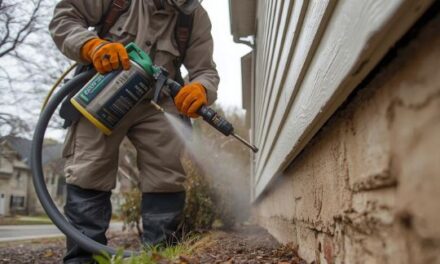
This is a very common and highly effective method, primarily used for subterranean termites. It involves applying a liquid termiticide to the soil around the foundation of your home. The goal is to create a *continuous chemical barrier* that termites cannot penetrate. Common active ingredients in these professional-grade products include fipronil (found in products like Termidor) and imidacloprid (found in products like Premise).Here’s how it works: When subterranean termites attempt to pass through this treated soil, they either die from direct contact with the termiticide or, with non-repellent formulations, they unknowingly pick up the chemical on their bodies. They then carry this termiticide back to their colony, transferring it to other termites through grooming and trophallaxis (food sharing). This creates a cascading effect, leading to a significant decline and eventual elimination of the entire colony. The non-repellent nature of many modern termiticides is crucial because it means termites don’t detect and avoid the treatment, ensuring they come into contact with it.
- Liquid Barrier Treatments (Soil Treatments):
-
- Termite Baiting Systems:
Termite baiting systems involve placing discreet bait stations, typically made of plastic, in the ground around the perimeter of your property. These stations contain cellulose, which is a highly attractive food source for termites, laced with a slow-acting active ingredient. These active ingredients are often insect growth regulators (IGRs) or metabolic inhibitors. Examples of popular bait systems include Sentricon and Trelona.When foraging termites discover a bait station, they consume the bait and carry it back to their colony, sharing it with their nestmates. The *slow-acting nature* of the ingredients is key; it allows the termites to spread the chemical throughout the colony before they realize it’s harmful. The IGRs interfere with the termites’ molting process, preventing them from growing properly, while metabolic inhibitors disrupt their internal systems. This gradual process eventually leads to the decline and collapse of the entire termite colony. Bait systems are often considered environmentally friendly because they use significantly less chemical than liquid treatments and target only termites, reducing impact on non-target organisms.
- Termite Baiting Systems:
-
- Fumigation (Tent Fumigation):
This method is primarily reserved for severe drywood termite infestations, especially when they are widespread throughout a structure and not confined to a small, accessible area. Fumigation is a highly effective way to eliminate drywood termites from every piece of wood within a building.The process involves covering the entire building with a large, airtight tent. A gaseous fumigant, such as sulfuryl fluoride, is then released inside the tent. This gas penetrates all the wood within the structure, including hidden beams, walls, and furniture, ensuring that every drywood termite is exposed and killed. The major drawback of fumigation is that it requires residents to vacate the premises for several days (usually 2-3 days) while the gas is present and then aired out.
- Fumigation (Tent Fumigation):
- Localized Treatments:
For smaller, isolated drywood termite infestations, such as those found in a specific piece of furniture, a single wall, or a limited section of a wooden beam, localized termite treatment methods may be used. These methods target the termites directly within the infested wood without requiring whole-structure treatment. Options include:
- *Heat Treatment:* Using microwave technology or forced hot air to heat specific areas of wood to temperatures lethal to termites.
- *Freezing:* Applying liquid nitrogen to freeze termites in their galleries.
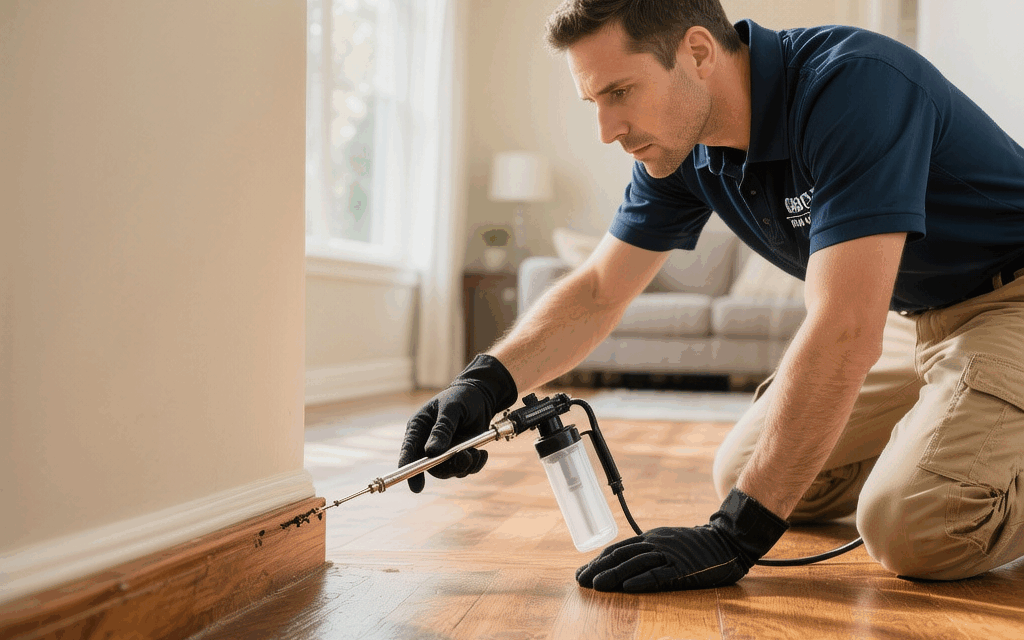
- *Direct Injection:* Drilling small holes into infested wood and injecting liquid termiticides or dusts directly into the termite galleries.
These diverse professional termite treatment methods ensure that pest management specialists have the right tools to tackle any termite scenario effectively.
How These Professional Treatments Work for Long-Term Termite Control
Professional termite treatment isn’t just about killing the termites you see; it’s about providing long-term termite control and preventing future infestations. The success of these methods lies in their ability to eliminate entire colonies and create lasting protective barriers.
-
- Elimination of Colonies:
Many professional methods are designed to leverage termite social behavior to ensure colony-wide elimination. Bait systems and non-repellent liquid barriers work by exploiting the termites’ natural habits of grooming each other and sharing food (a process called trophallaxis). When one termite comes into contact with the active ingredient or consumes treated bait, it spreads the chemical to others in the colony, including the queen, which is vital for complete eradication. This chain reaction gradually weakens and ultimately leads to the demise of the entire termite population. In contrast, fumigation and localized treatments work by directly killing all termites present within the infested wood or structure. This direct kill method is immediate and comprehensive for the targeted area.
- Elimination of Colonies:
- Prevention of Re-infestation:
Beyond immediate elimination, professional termite control focuses on long-term protection. Liquid barriers, once applied, create a long-lasting chemical perimeter around your home’s foundation. This barrier either repels new termite attempts to enter the structure from the soil or kills them if they try to pass through. It acts as a *continuous protective shield*. For properties treated with bait systems, ongoing monitoring is a key component. Technicians regularly inspect the bait stations, replacing consumed bait to detect and eliminate any new foraging termites before they can establish a new colony within your property.Crucially, many professional termite treatments come with warranties. These warranties typically include re-treatment at no additional cost if termites return within the warranty period, offering homeowners peace of mind and ongoing protection against these destructive pests. This commitment to continued defense is a hallmark of effective, long-term termite control.
The Crucial Difference: DIY Solutions vs. Professional-Grade Termite Treatment
When facing a termite infestation, homeowners often wonder if they can handle it themselves. However, there’s a *crucial difference* between attempting DIY solutions and opting for professional-grade termite treatment. The effectiveness and long-term success rates are vastly different.
-
- DIY Limitations:
Over-the-counter sprays and repellents available at hardware stores often only kill the visible termites you see, or they simply repel them from the immediate area. This creates a *false sense of security*. These products rarely, if ever, address the hidden, underground colony, which is the true source of the problem. Termites are resilient, and if the queen and the main colony survive, the infestation will quickly resurface. DIY products lack the specialized active ingredients, the precise application techniques, and the sheer volume of material needed to penetrate soil effectively or reach deep within structures where colonies reside. Furthermore, misapplication of even consumer-grade pesticides can pose health risks to residents and pets, and can also be ineffective, wasting both time and money. For deep-seated pest problems like subterranean termites, surface treatments are simply not enough to provide proper termite control.
- DIY Limitations:
- Professional Advantages:
Licensed professionals bring an *unparalleled advantage* to the fight against termites. They possess in-depth knowledge of termite biology, behavior, and the specific vulnerabilities of your home’s structure. They use commercial-grade termiticides and specialized equipment that are far more potent and effective than anything available to the public. Their termite treatments are precisely targeted, ensuring the chemicals reach the colony’s core without unnecessary oversaturation.Crucially, professional pest management companies operate under strict environmental regulations, ensuring their treatments are applied safely and responsibly. Most importantly, their services are typically backed by warranties, offering comprehensive and long-term termite control solutions. This professional assurance provides not just eradication, but also ongoing protection and peace of mind that a DIY approach simply cannot match. Investing in professional termite treatment is investing in the long-term safety and structural integrity of your home.
How to Choose the Best Termite Control Service for Your Home
Selecting the right professional to protect your home from termites is a *critical decision*. You need a company that is knowledgeable, reliable, and committed to effective, long-term termite control. By evaluating key criteria and asking the right questions, you can find the best termite control service for your specific needs.
Key Criteria for Evaluating Providers
When researching termite control services, consider these important factors to ensure you hire a reputable and effective company:
-
- Experience and Expertise:
Look for companies with a long track record, ideally *5 or more years*, specifically in termite control. Experience means they’ve encountered various infestation scenarios and know how to handle them. They should be highly knowledgeable about the local termite species (like subterranean, drywood, and dampwood termites), their habits, and the most effective termite treatments for your specific region. Don’t hesitate to ask about their technicians’ training, certifications, and ongoing education; this shows a commitment to industry best practices and up-to-date knowledge.
- Experience and Expertise:
-
- Licensing, Insurance, and Certifications:
This is paramount for your protection. Verify that the company is fully licensed by your state’s agricultural department or pest control board. Licensing ensures they meet minimum competency standards. They must also carry *general liability insurance* to cover any potential property damage that might occur during the termite treatment process, and *workers’ compensation insurance* for their employees. This protects you from financial responsibility if an accident happens on your property. Membership in professional organizations like the National Pest Management Association (NPMA) or state-specific pest control associations often indicates a commitment to industry standards, ethical practices, and ongoing professional development.
- Licensing, Insurance, and Certifications:
-
- Customer Reviews and Testimonials:
In today’s digital age, checking customer reviews is easier than ever. Recommend checking multiple independent sources such as Google Reviews, Yelp, the Better Business Bureau (BBB), and Angie’s List. Look for a *consistent pattern of positive feedback* regarding their professionalism, the effectiveness of their termite treatment, their responsiveness, and their overall customer service. While an occasional negative review is normal, caution against companies with numerous unresolved complaints or a consistently low rating. These insights provide valuable real-world perspectives on their quality of service.
- Customer Reviews and Testimonials:
-
- Guarantees and Warranties on Termite Treatment:
Reputable companies typically offer a warranty on their termite treatments, often ranging from *1 to 5 years*, and sometimes renewable. It is crucial to understand exactly what the warranty covers. Does it include re-treatment at no additional cost if termites reappear? Does it cover repairs for new damage if termites return? Clarify the renewal options and any associated fees, as some warranties can be extended annually for a fee. A strong, clear warranty demonstrates a company’s confidence in their work and commitment to long-term termite control.
- Guarantees and Warranties on Termite Treatment:
-
- Transparent Pricing and Inspection Processes:
A *thorough inspection* is absolutely essential to accurately assess the extent of the infestation and determine the appropriate termite treatment. Some companies offer free inspections, while others charge a fee (which may be applied to the total termite treatment cost if you hire them). Always obtain detailed written estimates that clearly outline the specific treatment plan, the chemicals that will be used, the exact areas to be treated, the total cost, and all warranty details. Be cautious of significantly low bids, as they might indicate shortcuts or hidden fees later on. Also, be wary of high-pressure sales tactics that rush you into a decision.
- Transparent Pricing and Inspection Processes:
- Integrated Pest Management (IPM) Approach:
Companies that adopt Integrated Pest Management (IPM) principles are often considered the best termite control service providers. IPM is an environmentally sensitive approach to pest management that prioritizes long-term prevention. It involves a combination of methods, including thorough inspection, accurate identification of the pest, implementing cultural controls (such as improving drainage to reduce moisture, repairing leaks, or reducing wood-to-soil contact), and then, when necessary, applying targeted chemical treatments in a minimized manner. This approach focuses on solving the underlying conditions that attract termites and minimizes environmental impact, representing a holistic and responsible approach to termite control.
By carefully considering these criteria, you can make an informed decision and choose a professional termite service that will effectively protect your home.
Essential Questions to Ask Before Hiring a Termite Control Service
Before committing to any termite control services, having a list of crucial questions ready will help you gather the necessary information and ensure you’re making the best termite control service choice.
Here is a list of critical questions to ask prospective providers:
- “Are you licensed and insured for termite control in [Your State/City]?”
- “How long have you been in business, and how much experience do you have specifically with [subterranean/drywood] termites in this area?”
- “What type of termite treatment do you recommend for my situation, and why? Can you explain the pros and cons of each method for my home?”
- “What active ingredients do you use in your termite treatment, and what are their safety precautions for my family and pets?”
- “Can you provide a detailed, written estimate outlining all costs, the specific termite treatment plan, and the warranty?”
- “What exactly does your warranty cover? How long does it last, and what are the renewal terms and any associated fees?”
- “What ongoing monitoring or follow-up termite control services do you provide after the initial treatment?”
- “Can you provide references or point me to independent customer reviews from previous clients?”
- “Are your technicians certified, and do they receive ongoing training in the latest termite control methods?”
Asking these questions will help you evaluate different companies thoroughly, understand their proposed termite treatment plans, and ultimately choose a reliable and effective provider for your home’s protection.
Finding Termite Control Near Me: Local Expertise You Can Trust
When you’re dealing with a termite problem, choosing a local termite control service offers distinct advantages. Local experts often have a better understanding of the specific challenges in your area and can provide quicker, more personalized attention.
The Advantages of Choosing a Local Termite Control Service
Opting for a company that specializes in termite control near me can significantly impact the effectiveness and convenience of your termite treatment. Here’s why local expertise is often beneficial:
-
- Familiarity with Local Termite Species and Common Issues:
Local companies are intimately familiar with the specific termite species prevalent in your geographical area. This includes understanding their seasonal behaviors, preferred habitats, and common infestation patterns in local building styles. For example, the types of subterranean termites common in Florida might differ slightly from those in California, and a local expert will know these nuances. This localized knowledge allows for more accurate diagnoses and the development of highly tailored termite treatment plans that are most effective for your region’s specific termite threats. They understand what works best against the pests in your community.
- Familiarity with Local Termite Species and Common Issues:
-
- Quicker Response Times for Inspections and Treatments:
In the urgent world of termite infestations, time is money and structural integrity. A local provider can often schedule inspections and termite treatments much faster than a large, regional or national chain. Their proximity means they can be on-site quickly to assess the situation. This *quick response is crucial*, as delaying action allows the termite colony to grow and inflict more damage. Furthermore, in case of a re-infestation, warranty claim, or any follow-up needs, their close proximity ensures a prompt and efficient response, minimizing further damage and stress.
- Quicker Response Times for Inspections and Treatments:
- Local Reputation and Community Trust:
Local businesses often rely heavily on word-of-mouth referrals and their standing within the community. They have a vested interest in maintaining a good local reputation, as their business thrives on trust and customer satisfaction. This often translates into higher quality service, more personalized attention, and greater accountability. You can often get direct recommendations for reliable termite control near me from neighbors, friends, or local community groups who have firsthand experience with these providers. They are part of your community, and their success depends on serving it well.
Choosing local means getting expertise that understands your home’s specific environment and pest challenges.
Tips for Searching for Termite Control Near Me
Finding a trustworthy and effective termite control service in your local area doesn’t have to be difficult. Here are some practical tips to guide your search:
-
- Online Search Engines:
Start with simple, yet effective, online searches. Use terms like “termite control near me,” “termite control [your city/zip code],” “best termite treatment near me,” or “local termite exterminator.” Pay close attention to the search results. Look for companies that appear high in local search rankings, have a strong online presence, and display good customer ratings and reviews. Google Maps can be particularly helpful for visualizing nearby options.
- Online Search Engines:
-
- Local Business Directories:
Don’t overlook local business directories, both online and in print. Websites like Yelp and Google Maps are excellent resources for finding nearby termite control services. These directories often include customer reviews, contact information, and service descriptions, making it easy to compare different providers in your area.
- Local Business Directories:
-
- State Pest Control Associations:
Many state pest control associations maintain online directories of licensed and credentialed professionals. This is an excellent way to find reputable companies for termite control who adhere to state regulations and industry standards. Searching these directories ensures you’re considering businesses that are officially recognized and qualified.
- State Pest Control Associations:
-
- Referrals:
Word-of-mouth recommendations are *incredibly valuable*. Ask your neighbors, friends, family members, real estate agents, or even home inspectors for their suggestions. They often have firsthand experience with local providers and can share insights into the quality of service, effectiveness of termite treatment, and customer satisfaction. A personal referral often leads to finding a highly trusted service.
- Referrals:
- Check for Accreditation:
Before making a final decision, advise looking for companies accredited by the Better Business Bureau (BBB) with a good rating. BBB accreditation indicates that the business meets specific standards of trust and honesty and is committed to resolving customer complaints. This is another layer of assurance that you are choosing a reliable provider for your termite control services.
By combining these search strategies, you’ll be well-equipped to find a skilled and trustworthy termite control near me to protect your home.
Conclusion: Protect Your Investment with Professional Termite Control Services
Termites are relentless, silent destroyers that pose a severe threat to the structural integrity and value of your home. We’ve explored the devastating impact these pests can have, highlighting why professional intervention is not just a recommendation but a *necessity*. From understanding the tell-tale signs of an infestation like mud tubes and frass, to delving into the sophisticated termite treatment options available – including liquid barriers, baiting systems, fumigation, and localized solutions – it’s clear that professional termite control goes far beyond what any DIY method can achieve.
Making an informed decision when choosing termite control services is crucial. By diligently evaluating providers based on their experience, licensing, customer reviews, and comprehensive warranties, and by asking the right questions, you empower yourself to select the best termite control service for your unique situation. Local expertise also plays a vital role, offering quicker response times and tailored solutions that understand your specific environmental challenges.
Your home is likely your largest investment, and protecting it from the hidden dangers of termite activity is paramount. Proactive termite control is not an expense; it’s an *essential safeguard* for the longevity and safety of your property.
Don’t wait until it’s too late and significant damage has been done. If you suspect termite activity or simply want peace of mind, contact a reputable termite control professional today for a thorough inspection and effective termite treatment. Find the best termite control service for your home and secure its future against these silent destroyers.
Frequently Asked Questions
-
- What is the earliest sign of termites I should look for?
The earliest signs often include *mud tubes* on foundation walls, hollow-sounding wood, piles of *frass* (termite droppings resembling sawdust), or finding *discarded wings* near windows. Seeing winged termites (swarmers) inside your home is also a definitive indicator.
- What is the earliest sign of termites I should look for?
-
- Why are DIY termite solutions generally ineffective?
DIY solutions typically only treat visible termites or a small surface area. Termite colonies are vast, often numbering in the millions, with the queen and main nest located deep underground or within inaccessible structures. Over-the-counter products cannot reach and eradicate the entire colony, leading to temporary relief and resurfacing infestations.
- Why are DIY termite solutions generally ineffective?
-
- How often should I have my home inspected for termites?
It is recommended to have your home inspected for termites annually, especially if you live in an area prone to termite activity. For preventative measures or if your home has had past infestations, even more frequent inspections may be advisable to catch any new activity early.
- How often should I have my home inspected for termites?
-
- Are professional termite treatments safe for my family and pets?
Yes, when applied by licensed and trained professionals, modern termite treatments are designed with safety in mind. They use regulated termiticides and follow strict application protocols to minimize exposure to non-target individuals, including humans and pets. Always communicate any concerns with your pest control technician.
- Are professional termite treatments safe for my family and pets?
- What is a termite warranty, and why is it important?
A termite warranty is a guarantee from the pest control company that if termites return within a specified period after treatment, they will provide re-treatment at no additional cost. Some extended warranties may also cover repairs for new damage. It provides peace of mind and assures long-term protection, making it a crucial factor when choosing a service.