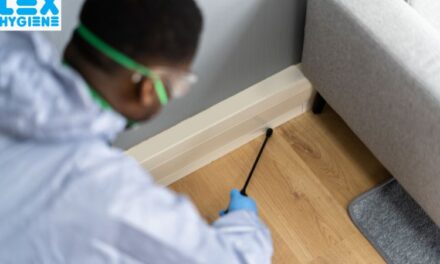
Understanding the Types of Termites in Noida: Key Signs and Early Detection Strategies
Estimated reading time: 8–12 minutes
Key Takeaways
- Termites are “silent destroyers” that can cause significant damage, especially in cities like Noida.
- Understanding the **types of termites in Noida** (Subterranean and Drywood) is crucial for effective protection.
- Early identification of **signs of termite infestation**, such as mud tubes, discarded wings, and damaged wood, can save costly repairs.
- Proactive **early termite detection** strategies include routine visual inspections, moisture control, and eliminating wood-to-soil contact.
- Professional termite inspections are essential for thorough detection and accurate identification of species for targeted treatment.
Table of Contents
- Understanding the Types of Termites in Noida: Key Signs and Early Detection Strategies
- Key Takeaways
- Decoding Termite Species in India – With a Focus on Noida’s Common Invaders
- Critical Signs of Termite Infestation You Cannot Ignore
- 2.1 Mud Tubes (Shelter Tubes)
- 2.2 Discarded Wings and Swarmers (Alates)
- 2.3 Damaged Wood
- 2.4 Frass (Termite Droppings)
- 2.5 Tight-Fitting Doors or Windows
- 2.6 Musty Odor
- Empowering Early Termite Detection Strategies for Homeowners
- 3.1 Routine Visual Inspections (DIY Tips)
- 3.2 Moisture Control
- 3.3 Eliminating Wood-to-Soil Contact
- 3.4 Professional Termite Inspections
- Conclusion
- Frequently Asked Questions
Termites are tiny insects, but they pose a huge threat to our homes. Often called “silent destroyers,” these pests can cause a lot of damage before you even know they are there. This is especially true in busy cities like Noida. They silently munch away at the wooden parts of your house, leading to very costly repairs if not stopped quickly.
This blog post is here to give homeowners in Noida the important information they need to fight this hidden danger. To protect your home well, you need to understand the **types of termites in Noida** you might face. You also need to know the clear **signs of termite infestation** and use smart, early ways to find them. This guide will help you spot termites before they do too much harm.
Decoding Termite Species in India – With a Focus on Noida’s Common Invaders
India is home to many different **termite species India**. For homeowners, these tiny invaders are mostly grouped into two main kinds: Subterranean Termites and Drywood Termites. Knowing about these two groups is key to understanding how they live and how they damage your home. This knowledge helps you protect your property better.
1.1 Subterranean Termites
Subterranean termites are the most destructive and common **types of termites in Noida** and all over India. These tiny insects are a major concern for buildings and homes.
Description & Habitat:
Subterranean termites need to stay in contact with the soil to live. The soil gives them the moisture they need to survive. Without it, they dry out and die. They live in very large colonies deep underground. From these underground homes, they build complex tunnel systems. They use these tunnels to search for cellulose, which is their main food source. Cellulose is found in wood, paper, and plants.
These termites often enter homes through the foundation. They can also get in through cracks in concrete, around utility lines, or through expansion joints in your building. Any small opening where wood meets the ground can be an entry point for these wood-destroying pests.
Key Species in India/Noida:
Several species of subterranean termites are found in India. Knowing them helps understand their behavior.
- ***Odontotermes species***: This group of termites is very common and causes a lot of economic damage across India. You can often see their special mud mounds in fields and gardens. These mounds are their nests. Inside homes, they usually infest structures by coming up from underground. They are primary decomposers, meaning they break down dead wood and plant matter in warm, wet regions. This makes them important in nature but a big problem for homes.
- ***Coptotermes heimi***: This is another very destructive subterranean species. It is found all over India. These termites are known for being aggressive. They can cause damage very quickly, sometimes even faster than other types.
- Other common groups like *Microtermes* and *Heterotermes* are also important **termite species India**. They also live underground and feed on wood.
Damage Patterns:
Subterranean termites attack wooden parts of your home from the ground up. They are very clever. They eat the inside of wooden structures, making them hollow. But they leave a thin outer layer of wood or paint untouched. This makes the damage very hard to spot from the outside. You might not see any signs until the wood is very weak.
Because they need moisture, these termites build special “mud tubes,” also called shelter tubes. These tubes are made of soil, wood bits, and their saliva. They build these tubes over exposed surfaces like foundation walls. The tubes protect them from dry air and predators while they travel from their underground nest to their food source in your home. These shelter tubes are a clear sign of their presence.
(Sources: Indian Council of Agricultural Research (ICAR), Department of Entomology – various Indian agricultural universities, research papers on Indian termites.)
1.2 Drywood Termites
Drywood termites are different from their subterranean cousins. They do not need to live in the soil.
Description & Habitat:
Unlike subterranean termites, drywood termites do not require any contact with the ground. They live entirely inside the wood they infest. They get all the moisture they need directly from the wood itself. This means they can infest furniture, wooden beams, and other wooden items that are not near the ground.
Their colonies are typically smaller than those of subterranean termites. This can sometimes make them harder to find, but they still cause significant damage over time. They are often found in warmer, drier climates.
Key Species in India/Noida:
Several species of *Cryptotermes* are significant drywood pests among the **types of termites in Noida** and throughout India.
- ***Cryptotermes species*** (for example, *Cryptotermes dudleyi*, *Cryptotermes havilandi*): These are important drywood pests. They infest sound, dry wood. This includes important items like wooden furniture, strong structural timbers in your house, and precious wooden artworks or artifacts. They can live hidden inside these items for a long time.
Damage Patterns:
Drywood termites tunnel through wood, creating clean, interconnected pathways or “galleries.” They don’t fill these tunnels with soil. Instead, they keep them clean.
A key sign of drywood termites is their fecal pellets, known as “frass.” This frass is hard, six-sided, and looks a bit like coarse sand or tiny sawdust. The color of the frass can change depending on the type of wood the termites are eating. These tiny droppings are often pushed out of small “kick-out holes” that the termites create in the infested wood. You might find small piles of frass on the floor or surfaces beneath infested items.
(Sources: Indian Council of Agricultural Research (ICAR), Department of Entomology – various Indian agricultural universities, research papers on Indian termites.)
1.3 Dampwood Termites (Less Common in Urban Noida)
While dampwood termites are present in India, they are much less common in well-maintained homes and buildings in urban areas like Noida. These termites prefer wood with a high moisture content or wood that is already decaying or rotting. This means they are usually found in areas with severe water leaks, high humidity, or in wood that has been exposed to the elements for a long time. For typical homeowners in Noida, subterranean and drywood termites are the main concerns.
(Sources: Indian Council of Agricultural Research (ICAR), Department of Entomology – various Indian agricultural universities, research papers on Indian termites.)
Critical Signs of Termite Infestation You Cannot Ignore
Finding signs of termite infestation early is extremely important. It can save your home in Noida from a lot of damage and you from a lot of money. Termites can cause extensive harm silently, so knowing what to look for is your best defense. Don’t ignore these critical warning signs of wood-destroying pests.
2.1 Mud Tubes (Shelter Tubes)
Mud tubes are perhaps the most definitive and obvious sign of subterranean termite activity. They are a sure indicator that these wood-eating insects are active nearby.
These tubes are made from a mix of soil, tiny bits of wood, and termite saliva. They look like narrow tunnels, often about the width of a pencil, but they can be wider. You will find them on foundations, concrete slabs, walls, or even along pipes and floor joists.
Their main job is to protect termites. These tiny architects build them as safe pathways. The tubes shield the termites from predators like ants and from dry air as they travel between their underground colony and the wooden parts of your home that they feed on. If you see these earthen tubes, you likely have a termite problem.
2.2 Discarded Wings and Swarmers (Alates)
Termites have a special time of year when they “swarm.” This usually happens during certain seasons, and in India, it’s often linked to the monsoon season. During a swarm, winged reproductive termites, called “alates” or “swarmers,” leave their existing colony to start new ones. They fly off to find a mate and a new place to nest.
After they find a mate, they shed their wings. You might find small piles of these discarded, translucent wings. They often gather near windows, doors, or sources of light, as swarmers are attracted to light. Finding these shed wings is a very strong signal that there is an active **signs of termite infestation** nearby, possibly even within your own home. It indicates a mature termite colony has sent out its reproductive members.
2.3 Damaged Wood
Damage to wood is a direct and serious sign of termites. However, it can often be hidden.
- Hollow-sounding Wood: You can check for this by tapping on wooden structures. Use a screwdriver handle or another blunt tool to gently tap on wooden beams, floorboards, or door frames. If the wood sounds hollow or dull instead of solid, it’s a big red flag. This hollow sound means termites have eaten the wood from the inside out, creating empty spaces.
- Blistering or Peeling Paint/Wallpaper: Termites tunnel just beneath the surface of wood. When they do this behind paint or wallpaper, it can cause the surface to blister, bubble, buckle, or peel away. This often looks similar to water damage, so it can be confusing. However, if you see paint bubbling without any obvious water leak, it could be a **signs of termite infestation**.
- Visible Tunnels or Galleries: In cases where the infestation is severe, the wood might eventually break. If this happens, you might be able to see the characteristic termite tunnels or “galleries” that the termites have carved out. These pathways are often lined with a muddy material in the case of subterranean termites.
- Soft or Crumbling Wood: If you poke at wood with a screwdriver and it feels soft, weak, or easily crumbles, this is a clear sign of severe termite activity. The wood has lost its structural integrity because the termites have consumed its inner parts.
2.4 Frass (Termite Droppings)
For drywood termites, the presence of their unique droppings is a crucial indicator. These tiny, hard, pellet-like fecal droppings are called “frass.”
Frass often looks like fine sawdust, small grains of sand, or even coffee grounds. It is typically found in small piles near the infested wooden objects, like furniture, door frames, or window sills. Unlike sawdust, which is often irregular, termite frass is uniform in size and has a distinct six-sided shape when viewed up close. Its color can vary depending on the type of wood the termites have been eating. If you see these tiny, uniform pellets, it’s a strong **signs of termite infestation** by drywood termites.
2.5 Tight-Fitting Doors or Windows
Termites, especially subterranean ones, introduce moisture into the wood as they tunnel and build their nests. As they eat through wooden door frames and window frames, the wood can absorb this moisture. This causes the wood to swell, warp, or become distorted.
As a result, doors and windows might become difficult to open or close. They might stick, rub against the frame, or simply feel “tight.” While this can sometimes be caused by humidity or house settling, if it happens suddenly and without other obvious reasons, it could be a **signs of termite infestation**.
2.6 Musty Odor
Sometimes, a distinct, musty, or mildew-like smell can come from walls or floors. This odor can be an indication of a large termite colony. This is particularly true for subterranean termites. These pests bring moisture into their tunnels and nests, which can create a damp, moldy smell within the walls or hidden spaces of your home. It’s a subtle but important **signs of termite infestation** that can alert you to their presence.
(Sources: National Institute of Plant Health Management (NIPHM), Central Building Research Institute (CBRI), reputable pest control associations, university extension services.)
Empowering Early Termite Detection Strategies for Homeowners
Being proactive and checking your home regularly is the very best way to defend against termites. These tiny invaders can cause huge problems. By using smart **early termite detection** strategies, you can find them before they cause too much harm. /expert-residential-termite-control-noida
3.1 Routine Visual Inspections (DIY Tips)
As a homeowner, you can perform simple checks to look for termites. This is a vital part of **early termite detection**.
-
Where to Look:
- **Basements and Crawl Spaces:** These dark, often damp areas are prime spots for termites. Look along the foundation walls, wooden beams, floor joists, and subflooring.
- **Attics:** Check wooden roof trusses, rafters, and the insulation for signs of mud tubes or damage.
- **Along Foundations:** Inspect both the interior and exterior of your home’s foundation. Look for mud tubes on concrete or brick surfaces.
- **Wooden Structures:** Pay close attention to all exposed wooden elements in your home, including door frames, window frames, skirting boards, and wooden furniture.
- **Utility Entry Points:** Termites often use gaps around pipes and wires to enter.
-
What to Look For:
- **Mud tubes:** Pencil-sized dirt tunnels on walls or foundations.
- **Discarded wings:** Small piles of translucent wings, especially near windows or light sources.
- **Frass:** Tiny, six-sided pellets that look like sawdust, often found near furniture.
- **Damaged wood:** Wood that sounds hollow when tapped, or has blistering paint.
- Any other signs of termite infestation mentioned earlier.
-
Tools:
- A bright flashlight is a must for seeing into dark corners and hidden spaces.
- A screwdriver or a small hammer can be used to gently tap on wooden surfaces. Listen for hollow sounds that might show damage inside.
-
Frequency:
It’s best to do thorough inspections at least once or twice a year. The time before and after the monsoon season is especially important in India. Termite activity often increases with moisture. Regular checks make for effective **early termite detection**.
3.2 Moisture Control
Termites, especially subterranean ones, love moisture. Controlling moisture around your home is a huge step in preventing them. It’s a critical **early termite detection** strategy because it takes away one of their key needs.
- **Repair Leaks Promptly:** Make sure to fix any leaky pipes, dripping faucets, or air conditioning units right away. Even small leaks can attract termites and provide the water they need to survive and thrive.
- **Improve Drainage:** Ensure that water drains properly away from your home’s foundation. Sloping the soil away from the house helps prevent water from pooling. Clogged gutters can also cause water to overflow and accumulate near the foundation, so keep them clean.
- **Ventilation:** Maintain good ventilation in areas like crawl spaces and attics. Good airflow reduces humidity, making these areas less inviting for termites. Consider installing vents if your crawl space feels damp.
3.3 Eliminating Wood-to-Soil Contact
Many termite problems start when wood directly touches the soil. This provides an easy, hidden pathway for termites to enter your home from their underground colonies. Preventing this contact is a vital **early termite detection** strategy.
- **Elevate Wooden Structures:** Make sure that all wooden structural elements of your house, like siding or support posts, are at least 6-8 inches (about 15-20 cm) above the soil line. This creates a barrier.
- **Clear Debris:** Keep firewood, lumber, and any other wooden debris far away from the foundation of your house. These items are perfect food sources and hiding spots for **types of termites in Noida**. Store firewood on a raised stand and as far from your home as possible.
- **Landscaping:** Avoid planting shrubs, bushes, or trees too close to your foundation. Their roots can grow under your home and create hidden tunnels for termites. Also, dense foliage can trap moisture against your house, another termite attractant.
3.4 Professional Termite Inspections
While DIY checks are helpful, there’s no substitute for expert help. Professional inspections are a cornerstone of effective early termite detection.
-
When to Call Experts:
- If you suspect any termite activity or notice any **signs of termite infestation**, big or small, call a professional pest control service immediately.
- Even if you haven’t seen any signs, it’s wise to have your home inspected regularly for peace of mind.
-
Benefits:
- **Specialized Knowledge and Tools:** Professional inspectors have deep knowledge about termite behavior and the **types of termites in Noida**. They also use specialized tools. These can include moisture meters to find hidden dampness, thermal imaging cameras to detect temperature changes caused by colonies, and boroscopes to see inside walls. These tools help them find subtle **signs of termite infestation** that homeowners might easily miss.
- **Accurate Identification:** Experts can accurately tell the difference between old, inactive termite damage and a new, active infestation. They can also identify the specific **types of termites in Noida** that are present. Knowing the exact species is crucial because different termites require different treatment methods.
- **Preventative Measures:** Regular professional inspections (for example, annually or every two years) ensure thorough and **early termite detection**. Catching an infestation early can save you from major repair costs down the line. It protects the value and safety of your most important asset – your home.
(Sources: National Institute of Plant Health Management (NIPHM), Central Building Research Institute (CBRI), reputable pest control associations, university extension services.)
Conclusion
Termites are a serious threat to homes, especially in a bustling city like Noida. They are silent destroyers, often working unseen until the damage is significant. To truly protect your home, you need to be informed and proactive. Understanding the different types of termites in Noida, knowing how to recognize the often-subtle signs of termite infestation, and using smart early termite detection methods are all absolutely essential steps.
Homeowner vigilance and routine checks are your first line of defense. By regularly inspecting your property and taking steps to control moisture and prevent wood-to-soil contact, you significantly reduce the risk. However, for complete peace of mind and the most effective protection, we strongly recommend consulting professional pest control services. Whether you suspect an issue or just want preventative inspections, experts have the knowledge and tools to keep your home safe from these pervasive pests. Don’t wait until it’s too late – protect your investment today.
Frequently Asked Questions
-
What’s the main difference between Subterranean and Drywood Termites?
The primary difference lies in their habitat and moisture requirements. Subterranean termites live in soil and need constant contact with moisture, building mud tubes to travel. Drywood termites live entirely within the wood they infest, getting all their moisture from the wood itself, and do not require soil contact. Their damage patterns and droppings (frass) also differ significantly.
-
How often should I get a professional termite inspection in Noida?
For proactive prevention and early detection, it is generally recommended to have a professional termite inspection at least once a year, or every two years. If your property has a history of termite infestations, or if you notice any suspicious signs, it’s best to schedule an inspection immediately.
-
Can I effectively treat a termite infestation myself?
While some DIY products are available, effectively treating a termite infestation, especially subterranean ones, is extremely challenging and often unsuccessful for homeowners. Termite colonies can be vast and hidden deep within structures or underground. Professional pest control technicians have specialized knowledge, equipment, and access to powerful, targeted treatments that are necessary to eliminate colonies and prevent re-infestation. DIY attempts often only address visible signs, allowing the hidden colony to continue causing damage.