The Ultimate Guide to Post Construction Termite Treatment and Termite Proofing Existing Buildings
Estimated reading time: 15–20 minutes
Key Takeaways
- Post construction termite treatment is essential for safeguarding existing properties from active infestations and preventing future ones.
- Termites can infiltrate existing buildings through various hidden entry points, causing severe and often undetected structural damage.
- Key methods for termite proofing existing buildings include chemical barrier treatments, termite baiting systems, and direct wood/foam applications.
- A professional process involves a comprehensive inspection, a customized treatment plan, precise execution, and crucial post-treatment follow-up and monitoring.
- Hiring professionals ensures access to expert knowledge, specialized equipment, safety, and guarantees, ultimately providing significant financial benefits and peace of mind.
- Investing in termite proofing protects your home’s value, avoids costly repairs, and ensures long-term security.
Table of Contents
- The Ultimate Guide to Post Construction Termite Treatment and Termite Proofing Existing Buildings
- Key Takeaways
- 1. Understanding the Enemy: Termites in Existing Structures
- 2. Defining Post-Construction Termite Treatment
- 3. Key Methods for Termite Proofing Existing Buildings
- 4. The Professional Process: What to Expect from a Post Construction Termite Treatment
- 5. Why Professional Post-Construction Termite Treatment is Essential
- 6. Investing in Your Home’s Future: Long-Term Benefits of Termite Proofing Existing Buildings
- Conclusion: Secure Your Sanctuary Today
- Frequently Asked Questions
Termites are a significant and often hidden threat. These tiny invaders cause extensive and costly damage to homes and commercial structures long after construction is complete. They can infest a building undetected for years, silently compromising its structural integrity and eating away at your valuable investment. Dealing with these destructive pests in structures already built requires specialized knowledge and methods.
This blog post will delve into post construction termite treatment. We will explore how these crucial procedures protect your property from existing infestations and prevent future ones. We will also introduce and explain the vital process of termite proofing existing buildings, covering the effective methods and numerous benefits of securing your investment against these persistent and destructive pests. Understanding these preventative measures and treatment options is key to safeguarding your home.
1. Understanding the Enemy: Termites in Existing Structures
Before we dive into solutions, it’s important to understand the threat itself. Termites, often called “silent destroyers,” can cause immense damage before homeowners even realize they have a problem. They are particularly skilled at infiltrating and damaging existing buildings.
1.1. How Termites Infiltrate Existing Structures
Subterranean termites, the most common type, primarily enter structures from the soil. They build elaborate tunnel systems to reach food sources, avoiding light and air. This stealthy approach makes them particularly dangerous to existing buildings.
Here are some common entry points these wood-destroying insects use:
- Cracks in the Foundation: Even tiny, hairline cracks in concrete foundations serve as perfect entryways for termites.
- Gaps Around Utility Penetrations: Openings around pipes, electrical conduits, and other utility lines where they pass through foundations or slabs provide direct access.
- Wood-to-Ground Contact: Any instance where wood comes into direct contact with the soil is an open invitation. This includes porch steps, deck supports, fence posts, and even structural wood in crawl spaces.
- Expansion Joints: Concrete slabs often have expansion joints. These small gaps are another vulnerable point termites exploit to reach the wood within a structure.
- Swarming Termites: Reproductive termites, known as alates, can fly into a building during swarming season. If they find favorable conditions, such as moisture and exposed wood, they can establish a new colony directly inside an existing building.
- Drywood Termites: Unlike their subterranean cousins, drywood termites do not need soil contact. They can infest exposed wood directly, flying to and entering structures through attic vents, eaves, or even small cracks in wood.
- Mud Tubes: Subterranean termites construct distinctive mud tubes (also called shelter tubes) as protected pathways. These pencil-sized tunnels allow them to travel safely from the soil to their wooden food sources, shielded from predators and dry air. These tubes are often seen on foundation walls or floor joists.
These various infiltration methods highlight why consistent vigilance and professional termite proofing are essential for protecting your property.
1.2. Common Signs of Infestation
Detecting a termite problem early is crucial to limit damage. However, due to their cryptic nature, it’s often challenging. Termites are master hiders, working diligently behind walls and under floors. Recognizing the subtle signs of their presence in existing buildings can save homeowners significant money and stress.
Key signs that your property might be under attack from these wood-eating insects include:
- Mud Tubes: Look for pencil-sized mud tunnels. These are often found on foundation walls, concrete piers, wooden floor joists, or even running up from the ground into accessible wooden structures. They protect termites as they travel between their nest in the soil and their food source in your home.
- Discarded Wings: After a termite swarm, you might find small piles of translucent, shed wings. These are often seen near windows, doors, or light sources, as swarmers are attracted to light. These wings indicate that reproductive termites have emerged, mated, and likely started new colonies nearby.
- Frass: For drywood termites, a distinct sign is “frass.” This refers to tiny, pellet-like droppings, which are often found in small mounds near infested wood. The color of frass can vary depending on the wood the termites are consuming.
- Damaged Wood: Wood that sounds hollow when tapped is a strong indicator of termite activity. Other signs include blistering or darkening of wood surfaces, or even pinpoint holes in drywall or wood, which are often “kick-out holes” used by drywood termites to push frass out of their galleries.
- Sagging Floors or Ceilings: In advanced infestations, the structural integrity of your home can be severely compromised. This can manifest as noticeable sagging in floors or ceilings, indicating significant damage to supporting timbers.
- Tight-fitting Doors or Windows: This less obvious sign can be caused by warped wood. Termites often introduce moisture into the wood as they tunnel, which can cause frames to swell and stick.
If you observe any of these indicators, it’s vital to seek professional help immediately to assess and address the potential termite threat.
1.3. Severe and Hidden Damage
Termites are voracious eaters. They feed on cellulose, a primary component found in wood, paper, fabric, and other plant-based materials. This destructive habit leads to a range of severe and often hidden damage within existing buildings.
The types of damage these pests inflict include:
- Structural Damage: This is the most serious consequence. Termites weaken load-bearing timbers, floor joists, wall studs, roof supports, and other critical structural elements. Over time, this damage can compromise the entire stability of a building, potentially leading to costly collapses or extensive structural repairs. The integrity of your building’s framework is slowly eaten away.
- Cosmetic Damage: Beyond the structural elements, termites also damage visible parts of your home. This includes drywall, flooring (hardwood, laminate), ceilings, and even furniture. They can tunnel through these materials, leaving behind unsightly trails, bubbling paint, or warped surfaces.
- Compromised Property Value: Extensive termite damage can significantly reduce a property’s market value. Potential buyers are often deterred by evidence of past or present infestations, and lenders may be hesitant to finance properties with unaddressed pest problems. This makes the property difficult to sell and can force price reductions.
- Hidden Destruction: One of the most insidious aspects of termite infestations is that the damage is often hidden. These subterranean pests typically work within walls, beneath floors, or behind other coverings, making their destructive activities invisible from the outside. By the time the damage becomes apparent, significant destruction may have already occurred, necessitating extensive and expensive remediation.
The sheer scale of potential damage underscores the importance of both early detection and professional post construction termite treatment or preventative termite proofing existing buildings.
2. Defining Post-Construction Termite Treatment
Post construction termite treatment refers to specialized termite control procedures. These methods are specifically designed and implemented for structures that are already built, occupied, and often have existing landscaping, interior finishes, and established routines. It’s a targeted approach to managing termites in properties that have been standing for some time.
This type of treatment stands in contrast to pre-construction treatments. Pre-construction methods are applied during the initial building phase, typically to the soil beneath the foundation before the concrete slab is poured. They create a protective barrier before the building is completed. Post construction termite treatment, however, addresses the challenges of protecting or treating an existing structure that may already be infested or vulnerable.
The primary goals of any effective post construction termite treatment are twofold:
- Eradicating Active Infestations: The immediate objective is to eliminate any existing termite colonies that have already established themselves within, under, or around the structure. This involves locating and directly targeting the pests to stop their destructive activities.
- Establishing Barriers for Long-Term Prevention: Beyond elimination, a crucial goal is to create a protective zone or system. This barrier aims to prevent future termite entry and re-infestation, securing the structure against subsequent attacks from these wood-destroying insects. This long-term protection is key to termite proofing existing buildings.
These treatments are essential for safeguarding the structural integrity and value of your home or commercial property long after the builders have left.
3. Key Methods for Termite Proofing Existing Buildings
Professional pest control operators utilize a diverse range of proven methods for effective post construction termite treatment. These methods are carefully tailored to the specific termite species, the type of building construction, and the extent of any existing infestation. The aim is to create robust termite proofing existing buildings solutions.
3.1. Chemical Barrier Treatments (Liquid Termiticides)
Chemical barrier treatments, using liquid termiticides, are one of the most common and effective forms of post construction termite treatment. This method establishes a powerful, continuous treated zone that subterranean termites cannot penetrate.
- How it Works: This approach involves applying a professional-grade liquid termiticide to the soil surrounding the foundation of the structure. The goal is to create an unbroken chemical barrier. Modern non-repellent termiticides are particularly effective. These advanced chemicals are undetectable to termites, meaning the pests unknowingly tunnel through the treated soil. As they do, they pick up the chemical on their bodies and transfer it to other termites through grooming and contact within the colony, leading to widespread mortality and eventual colony elimination. This “transfer effect” is a cornerstone of effective termite proofing existing buildings.
- Application Techniques:
- Exterior Trenching and Treatment: A common application method involves digging a shallow trench around the entire exterior perimeter of the foundation. The liquid termiticide is then applied to the soil within this trench according to specific rates. After application, the trench is backfilled, creating a continuous protective band around the building.
- Drilling and Injecting: For structures with concrete slab foundations (e.g., in garages, patios, or interior rooms), technicians must access the soil beneath the slab. This is achieved by drilling small, strategically placed holes through the concrete. Termiticide is then injected under pressure into the soil beneath the slab, ensuring thorough coverage. Similarly, termiticides can be injected into foundation walls, block voids, or other hidden areas where termites might be active or could gain entry.
- Advantages: This method provides a long-lasting residual barrier, often effective for several years. It is highly effective against subterranean termites and is excellent for preventing future entry, making it a strong option for termite proofing existing buildings. The “transfer effect” of non-repellent chemicals significantly enhances its efficacy.
- Considerations: Chemical barrier treatments require precise and expert application to ensure the barrier is complete and effective. There can be some disruption to landscaping during trenching. Furthermore, the careful handling of chemicals is essential, necessitating trained professionals to ensure safety for occupants, pets, and the environment.
This method forms a critical part of a comprehensive post construction termite treatment strategy.
3.2. Termite Baiting Systems
Termite baiting systems offer an alternative and often less intrusive approach to termite proofing existing buildings. These systems are designed to eliminate entire termite colonies, providing long-term protection without extensive drilling or trenching.
- How it Works: Discreet bait stations are strategically placed in the soil around the property’s perimeter, typically 10-20 feet apart. These stations initially contain monitoring devices to detect termite activity. Once termites are detected, the monitoring device is replaced with a specialized bait matrix. This bait contains a slow-acting insect growth regulator (IGR). Termites forage for food, discover the bait, consume it, and then share it with their nest mates, including the queen, through a process called trophallaxis (food sharing). Because the IGR is slow-acting, termites don’t immediately associate their sickness with the bait, allowing them to spread it widely throughout the colony. This leads to a gradual but complete elimination of the entire colony over time. This targeted approach is a sophisticated form of post construction termite treatment.
- Monitoring and Elimination Process:
- Initial Installation: Pest control professionals install the bait stations around the property at recommended intervals.
- Regular Monitoring: Technicians regularly inspect the stations for signs of termite activity. This might be done monthly or quarterly, depending on the system and property.
- Bait Matrix Deployment: Once termites are found actively feeding in a monitoring station, the monitoring material is replaced with the active bait matrix.
- Continuous Treatment: Regular monitoring and replenishment of the bait ensure that active termites continue to feed on the IGR. This process continues until the entire termite colony is eliminated, often evidenced by a lack of activity in the stations over several consecutive checks.
- Benefits: Termite baiting systems are generally less intrusive than chemical barriers, as they involve minimal drilling or trenching. They are considered more environmentally sensitive due to the targeted application of chemicals directly to the pests, resulting in less overall chemical use around the property. Crucially, they are capable of eliminating the entire termite colony, not just repelling them, providing comprehensive termite proofing existing buildings. This can be particularly appealing for homeowners concerned about chemical applications around their homes.
Both liquid barriers and baiting systems serve as effective tools in a professional’s arsenal for post construction termite treatment.
3.3. Direct Wood Treatment & Foam Applications
For very specific or localized infestations, particularly those involving drywood termites or active subterranean termite activity within accessible wooden structures, direct wood treatment & foam applications offer a targeted post construction termite treatment solution.
- Targeting Active Infestations: These methods are primarily used for localized treatment of active infestations that have been identified within specific wooden components of a building, or in areas where termites have created visible galleries. They can also be used as part of a broader strategy for termite proofing existing buildings in conjunction with other methods. For example, if a specific support beam in a crawl space shows signs of activity, direct wood treatment can address that immediate problem.
- Liquid/Foam Injection: Termiticides, either in liquid form or as an expanding foam, are injected directly into termite galleries within infested wood members. This requires drilling small pilot holes into the affected wood. The liquid or foam is then precisely injected, saturating the galleries and directly contacting the termites. Foams are especially useful because they expand to fill voids and irregular spaces within walls or wooden structures, ensuring broader coverage in hard-to-reach areas where termites might be hidden. This direct application kills termites on contact and often provides residual protection within the treated wood.
- Localized Solutions: This approach provides a highly targeted solution for specific problem areas identified during a thorough inspection. It allows professionals to address isolated termite activity without necessarily treating the entire perimeter of the structure, making it an efficient part of post construction termite treatment. It is particularly effective for controlling drywood termite colonies which reside entirely within the wood they infest.
These direct application methods are valuable tools for pest control experts, allowing them to precisely attack termite activity where it is found, complementing other barrier and baiting strategies for comprehensive termite proofing existing buildings.
4. The Professional Process: What to Expect from a Post Construction Termite Treatment
Engaging a professional for post construction termite treatment involves a systematic and thorough process. Understanding each step can help homeowners know what to expect and why professional expertise is so crucial for effective termite control and termite proofing existing buildings.
4.1. Comprehensive Inspection
The journey to effective termite control always begins with a detailed and comprehensive inspection.
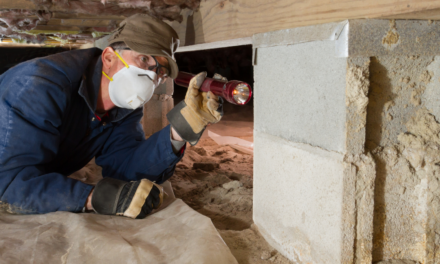
- Expert Assessment: A trained and licensed pest control technician will conduct a thorough assessment of your entire property. This includes the interior (basement, living spaces, attics), exterior (foundation, surrounding soil, landscaping), crawl space (if applicable), and any accessible areas where termites might hide.
- Key Aims: The inspection aims to:
- Identify Specific Termite Species: Different termite species (e.g., subterranean, drywood) require different treatment approaches.
- Locate Entry Points: Pinpointing exactly how termites are gaining access to your existing buildings is vital for effective treatment.
- Find Active Infestation Sites: The technician will look for mud tubes, frass, damaged wood, and actual termites to confirm their presence and location.
- Assess Damage Extent: While not always fully visible, the inspector will try to determine the scope of structural or cosmetic damage.
- Identify Conducive Conditions: The inspection will also reveal conditions that attract termites, such as excessive moisture, wood-to-ground contact, or wood debris near the foundation. Addressing these conditions is a key part of termite proofing existing buildings.
This initial inspection is the foundation of any successful post construction termite treatment.
4.2. Customized Treatment Plan
Following the detailed inspection, a professional will develop a customized treatment plan tailored specifically to your property’s needs.
- Tailored Solutions: Based on the findings from the inspection, a unique post construction termite treatment strategy will be created. There is no one-size-fits-all solution, as every property and infestation is different.
- Key Considerations: The plan takes into account:
- Type of Termites: The identified species dictates which treatments will be most effective.
- Building Construction: The structure of your home (slab, crawl space, basement) influences application methods.
- Environmental Factors: Proximity to water bodies, soil type, and climate can all play a role.
- Client Preferences: Discussions about chemical use, invasiveness, and budget are part of the planning.
- Combination of Methods: Often, the most effective approach for termite proofing existing buildings involves a combination of methods, such as chemical barriers coupled with localized treatments or baiting systems. The technician will recommend the most effective and efficient blend of strategies.
This personalized plan ensures that your existing buildings receive the most appropriate and comprehensive termite protection.
4.3. Execution of Treatment
Once the plan is approved, trained technicians will proceed with the execution of the post construction termite treatment.
- Specialized Equipment: Professionals use specialized equipment designed for effective and safe application. This may include sub-slab injectors for precise chemical placement under concrete, high-pressure pumps for creating effective soil barriers, or specific tools for bait station installation and maintenance.
- Method Implementation: The treatment may involve:
- Precise Drilling and Injection: For chemical barrier treatments, careful drilling through slabs or foundations and injecting termiticides into the soil beneath.
- Trenching and Soil Treatment: Digging and treating soil around the exterior perimeter to establish a protective barrier.
- Strategic Bait Station Placement: Installing and positioning termite bait stations at key locations around the property.
- Direct Applications: Applying termiticides directly to infested wood or injecting foam into wall voids where termites are active.
- Safety and Compliance: All procedures strictly adhere to safety protocols, manufacturer guidelines for termiticide application, and local regulatory requirements. Technicians are trained to minimize risks to occupants, pets, and the environment during the treatment process, ensuring effective termite proofing existing buildings.
This hands-on stage is where the planned post construction termite treatment is brought to life, establishing a strong defense against these destructive pests.
4.4. Post-Treatment Follow-up and Monitoring
Effective termite control and durable termite proofing existing buildings require ongoing vigilance and a commitment to follow-up.
- Ongoing Vigilance: Termites are persistent. A one-time treatment might eliminate an active colony, but ongoing protection is often necessary to prevent future infestations.
- Scheduled Follow-up Inspections: Reputable companies will schedule follow-up inspections to monitor the effectiveness of the treatment and check for any new signs of termite activity.
- Bait System Monitoring: For properties utilizing baiting systems, regular monitoring and replenishment of bait stations are crucial to ensure continuous protection and the eventual elimination of any active or new colonies.
- Recommendations for Prevention: Technicians will also provide specific recommendations to homeowners for preventing re-infestation. This includes advice on addressing conducive conditions identified during the initial inspection, such as repairing leaky pipes, improving drainage, removing wood-to-ground contact, or stacking firewood away from the house.
- Annual Service Agreements: Many professional pest control companies offer annual inspections and service agreements. These agreements provide peace of mind and continuous protection, ensuring that your existing buildings remain termite-free year after year. This proactive approach is essential for long-term termite proofing existing buildings.
This commitment to follow-up and monitoring solidifies the effectiveness of the initial post construction termite treatment and ensures lasting protection for your property.
5. Why Professional Post-Construction Termite Treatment is Essential
While the idea of DIY pest control can be tempting, attempting to control termites yourself can be ineffective, dangerous, and ultimately far more costly in the long run. Professional post construction termite treatment is not just a service; it’s an essential investment in the health and longevity of your home.
5.1. Expert Knowledge
Termite control is a science that requires deep understanding. Professionals possess in-depth knowledge of termite biology, behavior, and crucial species identification. This expertise is vital for selecting the most effective treatment methods. They also understand building construction and its vulnerabilities, knowing exactly where termites are likely to enter and cause damage. According to leading entomology departments at universities like the University of California IPM and Purdue Extension, expert knowledge is critical for effective termite control. This specialized knowledge allows professionals to correctly diagnose the problem and implement targeted solutions, which is a key part of termite proofing existing buildings.
5.2. Access to Specialized Equipment and Products
Licensed pest control companies have access to professional-grade termiticides, advanced baiting systems, and specialized application equipment that is simply not available to the general public. This includes tools like sub-slab injectors for precise application under concrete, high-pressure pumps for creating robust soil barriers, and thermal imaging cameras for detecting hidden activity. These professional products are often more potent, long-lasting, and specifically formulated for comprehensive termite management. The National Pest Management Association (NPMA) emphasizes the importance of professional-grade products and equipment for comprehensive termite management. Relying on store-bought solutions often leads to incomplete treatments and lingering problems, failing to provide true termite proofing existing buildings.
5.3. Ensuring Safety
Termiticides are powerful chemicals designed to kill pests. Professional technicians are extensively trained in the safe handling, mixing, and application of these products. They understand proper ventilation, the use of personal protective equipment (PPE), and appropriate disposal procedures. This minimizes risks to occupants, children, pets, and the surrounding environment. Attempting DIY chemical treatments without proper training can expose individuals to harmful substances and lead to improper application, potentially contaminating your property or harming non-target organisms. Professional post construction termite treatment prioritizes safety while ensuring effectiveness.
5.4. Guarantees and Warranties
A significant benefit of hiring a reputable pest control company for post construction termite treatment is the peace of mind that comes with guarantees and warranties. Most professional companies offer service guarantees on their termite treatments. This means if termites return within a specified period after treatment, they will come back to re-treat the area at no additional cost. This provides valuable protection against re-infestation and ensures the long-term effectiveness of your termite proofing existing buildings investment.
5.5. Financial Implications
While professional post construction termite treatment is an investment, it is a wise one. The cost of professional treatment pales in comparison to the potential expenses of untreated or improperly treated termite infestations. DIY mistakes often lead to escalating damage because the infestation isn’t fully eradicated. This results in more extensive and expensive repairs to structural components, drywall, flooring, and foundations. Investing in professional termite proofing existing buildings upfront saves homeowners significant money and prevents headaches in the long run by protecting their most valuable asset.
6. Investing in Your Home’s Future: Long-Term Benefits of Termite Proofing Existing Buildings
Proactive termite proofing through professional post construction termite treatment is not merely an expense; it is a critical investment that safeguards your most valuable asset: your home. This investment pays dividends in numerous ways, offering lasting protection for your existing buildings.
6.1. Protection of Your Investment
Your home is likely your largest financial investment. Termite damage can relentlessly erode its value, making it harder to sell and requiring substantial funds for repairs. Professional post construction termite treatment acts as a shield, protecting this significant investment by preventing destructive infestations and preserving the structural integrity of your property. It’s a fundamental step in ensuring your home’s long-term worth.
6.2. Maintaining Property Value and Appeal
A home free from termites maintains its structural integrity and aesthetic appeal. Termite activity, if left unchecked, can lead to visible damage to walls, floors, and ceilings, diminishing your home’s curb appeal and market value. Regular termite proofing existing buildings ensures that your property remains attractive to potential buyers and retains its maximum resale value. It’s about preserving both the hidden strength and the visible beauty of your home.
6.3. Avoiding Costly and Extensive Repairs
One of the most immediate and tangible benefits of post construction termite treatment is avoiding the astronomical costs associated with repairing extensive termite damage. Preventing infestations, or addressing them promptly and effectively, means you won’t face the expense of replacing damaged wood, drywall, flooring, or even undertaking foundation repairs. Proactive termite proofing existing buildings is always more economical than reactive repairs.
6.4. Peace of Mind
Ultimately, knowing that your home is secured against the destructive power of termites provides invaluable peace of mind. You can rest easy, confident that your family’s sanctuary is protected from these silent destroyers. This sense of security is priceless, allowing you to enjoy your home without the constant worry of hidden damage and costly repairs. This lasting peace of mind is a core benefit of professional post construction termite treatment.
Conclusion: Secure Your Sanctuary Today
Termites represent a significant, hidden threat to the structural integrity and value of existing buildings. Their ability to cause extensive damage undetected underscores the critical importance of proactive and professional post construction termite treatment and comprehensive termite proofing existing buildings.
From understanding how these silent destroyers infiltrate your home to implementing advanced chemical barriers, effective baiting systems, or targeted wood treatments, professional expertise is indispensable. The benefits of engaging trained specialists—their expert knowledge, access to specialized tools, commitment to safety, and the assurance of guarantees—far outweigh the risks and potential costs of attempting DIY solutions.
By investing in professional termite management, homeowners are not just eliminating pests; they are safeguarding their most significant investment, preserving property value, avoiding costly repairs, and gaining invaluable peace of mind. Don’t wait for the signs of severe damage to appear. Secure your sanctuary today. We strongly encourage readers to seek out professional inspections and tailored treatment plans for their homes to ensure lasting protection against these destructive insects.
This comprehensive overview of post construction termite treatment and termite proofing existing buildings draws upon the collective knowledge and recommendations from leading entomology departments at universities, pest management industry associations, and established pest control organizations.
Frequently Asked Questions
-
What is the difference between pre-construction and post-construction termite treatment?
Pre-construction treatment is applied to the soil before a building is constructed, creating a barrier. Post-construction treatment is performed on existing structures to eliminate active infestations and establish protective barriers around or within already built homes or commercial properties.
-
How long does post-construction termite treatment last?
The longevity of treatment depends on the method used and environmental factors. Liquid chemical barriers can last for several years (typically 5-10 years), while baiting systems require ongoing monitoring and replenishment for continuous protection. Annual inspections are often recommended to maintain effectiveness.
-
Are termite treatments safe for my family and pets?
When applied by licensed professionals, modern termiticides and baiting systems are designed with safety in mind. Technicians adhere to strict safety protocols, ensuring minimal exposure. Always communicate any concerns about children or pets to your pest control provider so they can advise on specific precautions.
-
What are the signs that I need post-construction termite treatment?
Key signs include mud tubes on foundations or walls, discarded wings near windows, hollow-sounding wood, small holes in drywall, or “frass” (pellet-like droppings) for drywood termites. If you notice any of these, it’s crucial to get a professional inspection promptly.
-
Can I do post-construction termite treatment myself?
While some DIY products exist, effective post-construction termite treatment requires specialized knowledge, equipment, and professional-grade termiticides. DIY attempts often fail to eliminate the entire colony, leading to continued damage and higher costs in the long run. Professional service is highly recommended for comprehensive and lasting protection.