Estimated reading time: 10 minutes
Key Takeaways
- Termites, *often called “silent destroyers”*, cause **over $5 billion in property damage every year** in the United States, a cost *usually not covered by homeowner’s insurance*.
- DIY methods for termite control are *ineffective* due to the complexity of colonies, identification challenges, and restricted chemicals; **professional intervention is essential**.
- Common professional termite treatment strategies include **liquid barrier treatments**, **baiting systems**, **fumigation** (for drywood), and direct wood treatments.
- Choosing the *best termite control service* requires checking **licensing and insurance**, *experience and reputation*, **guarantees and warranties**, and insisting on a *customized treatment plan*.
- A thorough *initial inspection* and *local expertise* are crucial for effective termite control, ensuring tailored solutions and quick response.
- Homeowners play a vital role in *post-treatment success* by addressing conducive conditions and maintaining communication with their provider.
Table of contents
- Unearthing the Best Termite Control Services: Your Comprehensive Guide to Protecting Your Home
- Key Takeaways
- The Silent Destroyer – Why Professional Termite Control is Essential
- Termite Biology and Damage Explained
- The Ineffectiveness of DIY Methods
- The Value Proposition of Expert Intervention
- Understanding Your Options: Common Termite Treatment Methods
- The Crucial Professional Assessment
- Common Termite Treatment Strategies
- Liquid Barrier Treatments (Conventional Termiticides)
- Termite Baiting Systems (e.g., Sentricon, Trelona)
- Fumigation (for Drywood Termites)
- Direct Wood Treatments (e.g., Borate Products)
- Heat/Cold Treatments
- How to Choose the Best Termite Control Service for Your Home
- Key Criteria for Evaluating the Best Termite Control Service
- Actionable Questions to Ask Potential Providers
- Finding Reliable Termite Control Near Me: Local Expertise Matters
- Benefits of Choosing a Local Provider
- Practical Advice for Searching and Vetting
- Importance of Initial Inspection
- What to Expect When You Hire Termite Control Services
- The Typical Process from Start to Finish
- Homeowner Involvement and Post-Treatment Expectations
- Long-Term Value and Peace of Mind
- Conclusion Takeaways
- Frequently Asked Questions
Imagine tiny invaders silently eating away at your biggest investment – your home. That’s exactly what termites, *often called “silent destroyers,”* do. These hidden pests cause huge amounts of damage to houses and other buildings. This damage often goes unnoticed until it’s very serious.
The problem isn’t just a small fix. The U.S. Environmental Protection Agency (EPA) and the National Pest Management Association (NPMA) tell us that termites cause over **$5 billion in property damage every year** in the United States. This is a massive cost, and what’s worse, homeowner’s insurance usually doesn’t cover this type of damage.
Because termites hide so well and can eat through wood so quickly, it’s super important to find them fast. Getting professional help quickly is key to stop more damage and keep your home’s value safe. This guide is here to help you understand, choose, and work with professional **termite control services** so you can protect your most valuable possession. We’ll cover everything you need to know about effective **termite control**.
The Silent Destroyer – Why Professional Termite Control is Essential
Termites are more than just a nuisance; they are a serious threat to your home’s structure. Understanding these wood-destroying insects helps explain why expert **termite control** is not just helpful but essential.
Termite Biology and Damage Explained
Termites are social insects, much like ants. They live in *very organized groups* called colonies, which can have thousands or even millions of individuals. Within these colonies, termites have different jobs, known as castes:
-
- **Workers:** These are the termites you don’t usually see, but they do all the damage. They build tunnels, find food (which is cellulose, found in wood), and feed the other termites.
-
- **Soldiers:** Their job is to protect the colony from enemies, mainly ants. They have large heads and strong jaws.
- **Reproductives:** These include the queen, king, and winged termites (alates or swarmers) that fly off to start new colonies.
There are different kinds of termites, and they each have slightly different habits. These differences are *important* because they affect the type of **termite treatment** needed.
-
- **Subterranean Termites:** These are the *most common and destructive type*. They live in the soil and build mud tubes to travel between their underground nest and your home’s wood. These mud tubes protect them from predators and keep them moist.
- **Drywood Termites:** Unlike subterranean termites, drywood termites live *entirely inside the wood they eat*. They don’t need contact with the soil. You might find small, hard, pellet-like droppings, called frass, which is a key sign of their presence.
Knowing which type of termite you have is *crucial* for effective **termite treatment**.
The Ineffectiveness of DIY Methods
Many homeowners try to deal with a termite problem themselves. However, experts agree that doing it yourself is *almost never a good idea* for a real infestation of these wood-eating pests. Here’s why DIY **termite control** often fails:
-
- **Complexity of Colonies:** Termite colonies are *massive and mostly hidden*. They live deep inside walls, under foundations, or far underground. DIY sprays or traps only deal with the few termites you see, leaving the main, hidden colony untouched and still munching away.
-
- **Identification Challenges:** There are many types of termites, and identifying the exact species is *vital* for choosing the right treatment. For instance, subterranean and drywood termites need different approaches. A professional has the knowledge to correctly identify them, while a homeowner might guess wrong, leading to ineffective solutions.
-
- **Restricted Chemicals:** The most powerful and effective chemicals used to get rid of termites are “restricted-use pesticides.” This means *only licensed professionals* are allowed to buy and use them. They are trained in how to apply these strong termiticides safely and correctly. Using the wrong chemicals or using them improperly can be *dangerous* for you, your family, and your home.
- **Risk of Delay:** Every day you try a DIY method that doesn’t work, the termite colony grows larger. This means *more damage* to your home, higher repair costs later, and even possible harm to your home’s structure.
The Value Proposition of Expert Intervention
So, if DIY doesn’t work, what’s the answer? Professional pest control companies are equipped to handle these wood-boring insects effectively. They have:
-
- **Specialized Training and Knowledge:** Experts understand termite biology, behavior, and how colonies work.
-
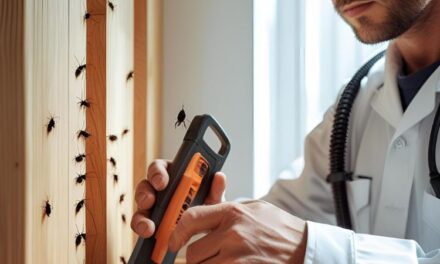
- **Advanced Equipment:** They use tools like moisture meters to find damp wood, thermal cameras to spot hidden activity, and boroscopes to see inside walls without damage.
- **Access to Effective Products:** Professionals use powerful, restricted-use termiticides that truly get the job done.
These resources allow them to conduct *very thorough inspections*, make *accurate diagnoses*, and offer *complete, long-lasting solutions*. They don’t just kill visible termites; they target and wipe out the entire colony. This comprehensive approach makes professional **termite control services** *absolutely necessary* for protecting your home.
Understanding Your Options: Common Termite Treatment Methods
When you have a termite problem, there isn’t a one-size-fits-all solution. The best way to get rid of these wood-eating pests depends on many things. This is where expert **termite treatment** comes in.
The Crucial Professional Assessment
Before any treatment begins, a qualified professional will come to your home. They will do a *very detailed inspection* to:
-
- **Identify the termite species:** Knowing if you have subterranean, drywood, or another type of termite is the first step.
-
- **Locate activity:** They’ll find exactly where the termites are active.
-
- **Assess infestation extent:** How big is the problem? How much damage has been done?
- **Pinpoint structural vulnerabilities:** Are there parts of your home that are easy targets for termites?
This careful assessment is *vital*. It helps the professional create the *most effective and specific* **termite treatment** plan just for your home.
Common Termite Treatment Strategies
Here are the main ways professionals deal with termite infestations:
Liquid Barrier Treatments (Conventional Termiticides)
This is a *very common and effective method* for subterranean termites.
-
- **Mechanism:** Imagine a protective chemical shield around your home. That’s what a liquid barrier treatment creates. The professional applies a special liquid termiticide to the soil right next to your home’s foundation. Termites trying to get to your house will either walk through this treated soil and die, or they’ll pick up the chemical and spread it to other termites in the colony.
-
- **Types:**
-
- **Non-Repellent Termiticides** (e.g., Fipronil/Termidor): These are very clever chemicals. Termites cannot smell or feel them, so they tunnel right through the treated soil without knowing it. They pick up the chemical on their bodies and transfer it to other termites through touching and feeding (a process called trophallaxis). This creates a “colony transfer effect” that can wipe out the entire termite nest, not just the foraging ones.
- **Repellent Termiticides:** These chemicals create a barrier that termites try to avoid. While they can work, they are less effective if there are any tiny gaps in the barrier, as termites are very good at finding ways around things.
-
- **Types:**
- **Application:** Applying these treatments is a big job. It often requires digging a shallow trench around the entire outside of your home. If you have concrete slabs (like a patio or garage floor) right next to your house, holes might need to be drilled through them to inject the termiticide into the soil underneath. This ensures a complete chemical barrier. These treatments are usually effective for 5 to 10 years.
Termite Baiting Systems (e.g., Sentricon, Trelona)
Baiting systems offer a different approach, *often preferred for their environmental benefits*.
-
- **Mechanism:** Small plastic bait stations are placed in the ground around your home, a few feet apart. Inside these stations are tasty treats for termites, usually cellulose material (which is what wood is made of) mixed with a slow-acting poison or an insect growth regulator (IGR). Foraging termites find these stations, eat the bait, and carry it back to their colony to share with others. Insect growth regulators work by stopping termites from shedding their skin (molting) properly, which eventually kills them and leads to the gradual elimination of the entire colony.
-
- **Advantages:**
-
- **Environmentally Sensitive**: They use much less active chemical ingredient than liquid barriers.
-
- **Less Intrusive:** No digging trenches or drilling holes in your foundation.
- **Ongoing Monitoring**: The stations also serve as a way for the pest management professional to regularly check for termite activity.
-
- **Advantages:**
- **Disadvantages:**
-
- **Slower-Acting:** It takes time for termites to find the bait, eat it, and share it throughout the colony, so results are not immediate.
- **Requires Regular Monitoring:** The stations need to be checked often and refilled with bait as needed.
-
Fumigation (for Drywood Termites)
This method is *usually reserved for severe and widespread drywood termite problems*.
-
- **Mechanism:** For fumigation, your entire house is covered with a giant tent, like a huge tarp. Then, a special gas (fumigant, such as sulfuryl fluoride) is pumped into the tent. This gas fills every tiny space, even inside walls and furniture, killing all the termites hiding in inaccessible areas.
-
- **When Used:** This intensive **termite control** method is typically used when drywood termites have spread throughout a large part of the house and cannot be reached by other localized treatments.
- **Process**: Homeowners must leave their home for several days during the fumigation process. You’ll also need to remove all food, medicines, and certain plants from the house before it’s tented.
Each of these **termite treatment** options has its strengths and weaknesses. A professional pest management expert will help you understand which method is best for your unique situation.
Direct Wood Treatments (e.g., Borate Products)
These treatments target wood directly.
-
- **Mechanism:** Chemicals made from borates (like boric acid or disodium octaborate tetrahydrate) are sprayed or painted onto exposed wood surfaces. These chemicals soak into the wood and act as both an insecticide (to kill insects) and a fungicide (to stop fungus).
- **When Used:** Borate treatments are great for preventing termites in new construction or for dealing with small, localized infestations in wood that you can easily reach. They can also be used as an extra layer of protection. However, they are not effective for hidden termites or infestations deep inside wood that the chemicals can’t penetrate.
Heat/Cold Treatments
These methods are less common but can be useful for very specific, localized drywood termite problems. They involve using special equipment to heat or cool wood to extreme temperatures that are lethal to termites. Their effectiveness depends on making sure the entire infested area reaches the correct temperature.
How to Choose the Best Termite Control Service for Your Home
Finding the right company for **termite control services** is a big decision. You want to make sure you pick the **best termite control service** to protect your home. Here are the most important things to look for.
Key Criteria for Evaluating the Best Termite Control Service
When you’re comparing different companies, keep these points in mind:
-
- **Licensing and Insurance:** This is perhaps the *most important point*. Always, always check that the company is licensed by your state’s structural pest control board or a similar government agency. This license shows they meet professional standards. For example, in California, you’d check with the Structural Pest Control Board. They also need to have good general liability insurance (to cover damages) and workers’ compensation insurance (for their employees). If they don’t, you could be held responsible if something goes wrong.
-
- **Experience and Reputation:** Look for companies that have been in business for a while and have a good name. Check online reviews on sites like Google, Yelp, or the Better Business Bureau (BBB). See if they belong to professional groups like the National Pest Management Association (NPMA) or your state’s pest management association; this shows they care about quality. Ask them for references from people in your area. Also, ask if they have specific experience dealing with the kinds of termites common where you live.
-
- **Guarantees and Warranties Offered:** A good company stands behind its work. Ask about their warranties:
-
- **Retreatment Warranty:** This is quite common. It means if termites come back within a certain period (often one year), the company will re-treat your home at no extra cost.
- **Repair Warranty:** This is more extensive but also less common. It means the company will cover the cost of repairing any *new* termite damage that happens after their treatment. Make sure you understand all the rules and conditions for this type of warranty, including how long it lasts and if it requires annual inspections.
-
- **Guarantees and Warranties Offered:** A good company stands behind its work. Ask about their warranties:
-
- **Customized Treatment Plans:** Be careful of any company that offers a generic plan over the phone without seeing your house. A truly reputable pest control company will always do a *thorough inspection first*. They will then suggest a plan that is specific to your home’s needs, the type of termite you have, and how bad the infestation is. Your home is unique, and so should its treatment plan.
- **Customer Service and Transparency:** Pay attention to how they communicate. Do they answer your questions clearly? Do they explain the problem, their solution, and the prices in a way you can understand? Ask for a detailed written contract. This contract should clearly state all the services they will provide, the total cost, any guarantees, and what follow-up steps will be taken. *No hidden fees, no vague promises.*
Actionable Questions to Ask Potential Providers
To help you make your choice, here are some direct questions to ask every **termite control service** you consider:
-
- “Are you licensed and insured? Can you show me proof?”
-
- “What specific termite species do you think I have, and what signs led you to that conclusion?”
-
- “What treatment methods do you recommend for my situation, and what are the good and bad points of each?”
-
- “What is the total cost for everything, and what exactly does that include (like inspection, treatment, follow-up, and warranty)?”
-
- “What kind of warranty do you offer, and what are its exact rules and how long does it last (retreatment versus repair)?”
-
- “How long has your company been in business, and can you give me some local references?”
-
- “What safety steps will you take to protect my family, pets, and plants during and after the treatment?”
- “What do I need to do to get my home ready for the treatment?”
By asking these questions and checking these criteria, you’ll be well on your way to choosing the **best termite control service** to protect your valuable property from wood-destroying insects.
Finding Reliable Termite Control Near Me: Local Expertise Matters
When you’re facing a termite infestation, finding a pest management company quickly is important. Searching for “termite control near me” is a great start, and there are many benefits to choosing a local provider for your **termite control** needs.
Benefits of Choosing a Local Provider
A local **termite control** company often has distinct advantages:
-
- **Familiarity with Regional Species:** Termites can vary by region. A local company likely knows all about the specific types of termites (like subterranean termites or drywood termites) common in your area. They understand their behaviors, where they like to nest, and how local building styles might make your home vulnerable. This local knowledge helps them make a more accurate diagnosis and apply *more effective treatments*.
-
- **Quick Response Times:** When you have a pest problem, you want help fast. Local providers can usually offer quicker response times for initial inspections, emergency situations, and any follow-up visits needed. This is *crucial for stopping damage* from getting worse.
- **Local Reputation:** Local businesses rely heavily on their reputation within the community. They have a strong reason to provide excellent service and be accountable, as word-of-mouth travels fast. This often means *better customer service* and a more personalized experience compared to larger, national chains.
Practical Advice for Searching and Vetting
Here’s how to effectively search for and check out local **termite control services**:
-
- **Online Search Tips:** Start with specific online searches. Try phrases like “**termite control near me**,” “termite control [your city/region],” “subterranean termite treatment [your zip code],” or “drywood termite exterminator near me.” These specific terms will help you find local pest exterminators.
-
- **Recommendations:** Don’t underestimate the power of word-of-mouth! Ask your trusted neighbors, friends, or family if they’ve had good experiences with any pest control companies. Real estate agents and home inspectors often work with reliable providers and can offer good referrals. Local contractors might also have recommendations for professionals who handle wood-destroying insects.
-
- **Local Business Directories:** Check your local Chamber of Commerce or community business listings. These resources often list reputable local service providers.
- **Professional Associations:** Look for companies that are members of state or national pest management associations, such as the National Pest Management Association (NPMA). Membership in these groups usually means the company is committed to professional standards, ongoing training, and ethical practices in pest management.
Importance of Initial Inspection
This point cannot be stressed enough: a truly reputable **termite control** company will *always* insist on doing a thorough, in-person inspection of your property. They need to see your house, check for signs of termites, and assess any damage before they can give you a detailed price or recommend a specific **termite control** plan. Be *very cautious* of any company that offers a firm quote or suggests a treatment over the phone without first visiting your home. A proper inspection is the *foundation of effective* **termite control**.
What to Expect When You Hire Termite Control Services
Once you’ve chosen a professional for your **termite control services**, knowing what to expect can help you feel prepared and confident. The process is usually well-organized, designed to thoroughly address your wood-destroying insect problem.
The Typical Process from Start to Finish
Here’s a step-by-step look at what happens when you engage professional **termite control services**:
-
- **1. Initial Inspection:**
-
- This is where it all begins. A qualified termite technician will come to your home and perform a *comprehensive inspection*. They’ll examine both the inside and outside of your house.
-
- This includes looking in crawl spaces, attics, basements, and around the foundation. They’ll also check your landscaping and any outdoor wooden structures.
-
- They are looking for several key signs: active termites themselves, evidence of damage (like hollow-sounding wood), mud tubes built by subterranean termites, drywood termite frass (tiny fecal pellets), or discarded wings from termite swarmers.
- They also identify “conducive conditions” – things that attract termites, such as moisture problems, wood-to-ground contact, or cracks in your foundation.
-
- **1. Initial Inspection:**
-
- **2. Treatment Plan Presentation:**
-
- After the inspection, the technician will sit down with you to discuss their findings.
-
- They will clearly explain the problem, including the type of termites found and the extent of the infestation.
- They will then present a *detailed* **termite treatment** plan tailored to your specific situation. This plan will explain the recommended method(s) (e.g., liquid barrier, baiting system, fumigation), the timeline for the treatment, any safety precautions you need to be aware of, the total costs involved, and any guarantees or warranties that apply to their work.
-
- **2. Treatment Plan Presentation:**
-
- **3. Application of Treatment:**
-
- Once you agree to the plan, the pest control team will schedule a time to carry out the chosen treatment.
-
- **Preparation:** Before they start, the company will give you specific instructions. This might involve tasks like clearing furniture away from walls, removing personal items, securing pets, or even vacating your home for a few days (especially for fumigation). Following these instructions carefully is *important for the treatment’s success and your safety*.
- **Application:** The technicians will then apply the termiticides or install bait stations according to the plan. They always follow *strict safety protocols* and product label instructions to ensure the treatment is effective and safe for your home environment.
-
- **3. Application of Treatment:**
- **4. Follow-up and Monitoring:**
-
- The job isn’t always done after the initial application.
-
- For **termite treatment** involving bait systems, regular monitoring visits are crucial. The technician will check the bait stations to see if termites are eating the bait and replenish them as needed until the entire colony is eliminated.
- For liquid barrier treatments, many companies recommend an *annual inspection*. This check-up ensures the protective barrier is still working well and helps detect any new termite activity early. Many professional pest control companies offer annual service agreements that include these vital follow-up inspections.
-
Homeowner Involvement and Post-Treatment Expectations
Your role doesn’t end when the technicians leave. You have an *important part to play* in helping to keep your home termite-free:
-
- **Preparation:** Always follow all preparation instructions given by the company before treatment. This ensures the treatment can be done effectively and safely.
-
- **Post-Treatment:** After the treatment, try to avoid disturbing any treated areas. More importantly, take steps to make your home less attractive to termites in the future.
-
- This includes:
-
- Maintaining good drainage around your home’s foundation.
-
- Promptly repairing any leaky pipes.
-
- Removing any wood that is in direct contact with the ground (like firewood stacks or old tree stumps).
- Fixing any moisture issues in crawl spaces or basements, as damp conditions are a *huge draw for termites*.
-
- This includes:
- **Communication:** Keep in touch with your **termite control services** provider. If you see any new signs of termite activity after treatment, report them immediately.
Long-Term Value and Peace of Mind
Investing in professional **termite control services** is a *critical step* in protecting your home. It safeguards its structural integrity and ensures its long-term value. Knowing that your home is protected from these “silent destroyers” brings *significant peace of mind*. It’s a smart investment in your most valuable asset.
Conclusion Takeaways
Termites are a serious threat to any homeowner. Ignoring potential termite issues or delaying professional **termite treatment** can lead to *significant and incredibly costly damage* to your home. These silent destroyers work non-stop, and their hidden nature means problems can grow large before they are even noticed.
Therefore, making informed decisions about pest management is crucial. Homeowners must take the time to understand the different **termite treatment** options available. It’s also vital to carefully vet **termite control services** providers. Look for companies based on clear criteria: proper licensing, extensive experience, reliable guarantees, and a commitment to providing tailored solutions specific to your home’s needs.
Ultimately, professional **termite control services** are not just an expense; they are an *essential investment*. By taking proactive steps and choosing the right experts, you are safeguarding one of your most valuable assets – your home – from the pervasive threat of wood-destroying insects. This protection ensures the structural integrity and long-term value of your property, giving you the *peace of mind you deserve*.
Frequently Asked Questions
A: The cost of termite control varies widely depending on the type of termites, the size of your home, the extent of the infestation, and the treatment method chosen. A detailed inspection by a professional is necessary to get an accurate quote. Generally, liquid barrier treatments can range from $1,500 to $3,000, while baiting systems might have an initial installation fee of $1,000-$2,500 plus annual monitoring fees. Fumigation, used for severe drywood infestations, can cost significantly more, often $2,000 to $8,000 or more, based on the home’s size.
A: The duration of effectiveness depends on the treatment type. Liquid barrier treatments, especially with non-repellent termiticides, typically provide protection for 5 to 10 years. Termite baiting systems offer ongoing protection as long as they are regularly monitored and refilled, essentially providing continuous control. Fumigation is highly effective at eliminating existing drywood colonies but does not offer residual protection against future infestations, requiring separate preventative measures.
A: When applied by licensed professionals according to label instructions, most modern termite treatments are designed to be safe. However, precautions are always necessary. For liquid treatments, it’s usually recommended to keep children and pets away from the treated areas during application and until the product has dried. Baiting systems are typically very low-risk as the active ingredients are contained within secure stations. Fumigation requires everyone, including pets, to vacate the premises for several days. Always discuss safety concerns with your pest control provider, and follow all their preparation and post-treatment instructions.
A: Common signs of termites include mud tubes (pencil-sized tunnels on walls or foundations), discarded wings (often found near windowsills or doors after a swarm), hollow-sounding wood, small piles of wood-colored pellets (frass, from drywood termites), bubbling or distorted paint, or visible damage to wood. Sometimes, the first sign is a visible swarm of winged insects. If you suspect termite activity, it’s crucial to get a professional inspection promptly, as early detection can save you significant repair costs.