Estimated reading time: 10 minutes
Key Takeaways
- Professional termite control services are essential for protecting your home from structural damage.
- Termites are “silent destroyers,” causing billions in damage before visible signs appear.
- Various effective termite treatment methods exist, including liquid barriers, baiting systems, and fumigation, tailored to specific termite types.
- Choosing the best termite control service involves checking licenses, insurance, reputation, and detailed service agreements.
- The process includes a thorough inspection, customized plan, implementation, and crucial follow-up monitoring.
- DIY methods are largely ineffective; professional intervention is crucial for comprehensive eradication and prevention.
Table of contents
- Protecting Your Home: The Ultimate Guide to Professional Termite Control Services
- Key Takeaways
- The Hidden Threat and Why Professional Termite Control is Essential
- Understanding Termite Biology and Common Types
- The Subtlety of Infestation Signs
- Why DIY Methods Are Ineffective
- Types of Professional Termite Treatment Available
- a. Liquid Barrier Treatments (Conventional Treatment)
- b. Baiting Systems
- c. Fumigation (Tent Fumigation)
- d. Physical Barriers
- Choosing the Best Termite Control Service for Your Home
- Key Factors to Consider:
- What to Expect from Professional Termite Control Services
- Step-by-Step Breakdown:
- Locating Reliable Termite Control Near Me
- Tips for Your Search:
- Conclusion
- Frequently Asked Questions
Termites are often called “silent destroyers” for a very good reason. These tiny pests can munch away at the very structure of your home, causing extensive and costly structural damage before you even realize there’s an infestation. Imagine the wood beams, floors, and walls of your biggest asset slowly being eaten away without a sound. When faced with this formidable and quiet threat, professional termite control services become an indispensable shield for your home, safeguarding its integrity and your peace of mind.
This comprehensive guide will provide a detailed overview of why professional intervention is absolutely essential for dealing with these wood-destroying organisms. We will explore the various types of effective termite treatment available, offering clarity on the methods professionals use. Crucially, we’ll walk you through how to choose the best termite control service to protect your dwelling, what you can expect during the entire treatment process, and practical ways to find reliable termite control near me. Understanding these vital aspects is absolutely crucial for any homeowner looking to fortify their property against these pervasive pests and secure their investment.
The Hidden Threat and Why Professional Termite Control is Essential
Termites pose a profound threat to homes and other structures, often operating out of sight until significant damage has occurred. These voracious pests are responsible for causing billions of dollars in damage annually across the U.S., capable of compromising the structural integrity of houses, leading to repairs that can easily cost thousands of dollars. The insidious nature of termite damage means that by the time it’s visible, the problem has usually escalated considerably.
Understanding Termite Biology and Common Types
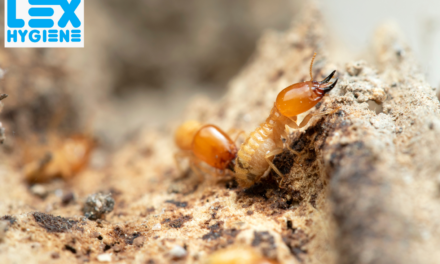
Termites are social insects that live in large colonies, much like ants, and are experts at finding and consuming cellulose materials. This includes a wide array of organic matter such as wood, paper, fabric, and even some plastics that contain cellulose. Their diet makes homes particularly appealing targets. There are several key types of termites, but three are most commonly encountered and cause the most significant damage to structures:
- Subterranean Termites: These are the most widespread and destructive termite species found in the U.S. They live in underground colonies in the soil, which provides them with the moisture they need to survive. To access food sources within homes, they construct distinctive mud tubes – small tunnels made of soil and wood particles – that protect them from open air and predators. They bring soil into homes, causing immense damage to structural wood.
- Drywood Termites: Unlike their subterranean cousins, drywood termites do not require contact with the soil. They establish their colonies directly within dry wooden structures, such as attics, furniture, and wall studs. Their colonies are typically smaller than subterranean ones, but they can still cause considerable harm over time.
- Dampwood Termites: These termites prefer wood with a high moisture content, often found in decaying logs, stumps, or areas of a home with chronic water leaks. While less common in typical residential structures unless there are severe moisture problems, they can still be a concern in certain environments.
The Subtlety of Infestation Signs
One of the reasons termites are so destructive is that the signs of their presence are often very subtle and easily missed by an untrained eye. You might not see the actual termites, but rather evidence of their activity. Key indicators of a termite problem can include:
- Mud Tubes: These pencil-sized tunnels extending from the ground up onto foundations, walls, or floor joists are a hallmark of subterranean termites. They use these tubes as protected pathways between their underground colony and the wood in your home.
- Discarded Wings: After swarming (when reproductive termites leave the nest to start new colonies), you might find piles of translucent, shed wings near windowsills, doors, or light sources. This is a definitive sign of a termite swarm, indicating a mature colony nearby.
- Frass: This term refers to termite droppings. For drywood termites, frass appears as tiny, pellet-like fecal matter, often resembling sawdust or coffee grounds. These pellets are usually pushed out of small kick-out holes from their galleries within the wood.
- Hollow-Sounding Wood: If you tap on wood and it sounds hollow or papery, it could be an indication that termites have eaten away the interior. You might also notice bubbling or uneven paint, or small holes in wooden surfaces.
Why DIY Methods Are Ineffective
Many homeowners might be tempted to try do-it-yourself (DIY) methods at the first sign of termites, using sprays or traps from a hardware store. However, for established termite infestations, these DIY approaches are almost universally ineffective. They typically only treat the visible symptoms or a small portion of the active pests, leaving the vast, hidden core colony intact and flourishing. Without addressing the source, the damage continues relentlessly. Effective termite control and elimination require specialized knowledge of termite biology and behavior, along with professional-grade termiticides and advanced equipment that simply aren’t available to the average homeowner.
Due to the intricate complexity of termite biology and their secretive behavior, professional intervention from dedicated termite control services is absolutely crucial. These experts possess the necessary training and tools for proper identification of the specific termite species, which is vital for comprehensive and targeted termite treatment, and ultimately, effective prevention of future infestations. Attempting to tackle a termite problem alone can lead to prolonged damage and significantly higher repair costs down the line.
Sources:
University of California Statewide Integrated Pest Management Program (UC IPM): ipm.ucanr.edu/PMG/PESTNOTES/pn7415.html
Environmental Protection Agency (EPA): epa.gov/safepestcontrol/controlling-termites-safe-and-effective-ways
National Pest Management Association (NPMA): pestworld.org/pest-guide/termites/
Types of Professional Termite Treatment Available
When it comes to safeguarding your home, professional termite control services utilize a variety of proven methods to eradicate these wood-destroying pests. These termite treatment strategies are often used in combination, carefully tailored to address the specific type of termite, the severity of the infestation, and the unique characteristics of your property. Understanding these methods is key to appreciating the value of expert pest management.
a. Liquid Barrier Treatments (Conventional Treatment)
Liquid barrier treatments are one of the most common and highly effective methods for subterranean termite control.
- Description: This method involves applying a highly potent liquid termiticide to the soil directly around the foundation of your structure. The goal is to create a continuous, impenetrable chemical barrier. Termites attempting to cross this treated zone are either killed upon direct contact or, more effectively with modern non-repellent termiticides, unknowingly carry the active ingredient back to their colony. Because non-repellent chemicals are undetectable by termites, they walk right through them, sharing the toxicant with other colony members through grooming and feeding, leading to a domino effect that eventually eradicates the entire termite colony, including the queen.
- Effectiveness: This termite treatment is exceptionally effective for targeting subterranean termites, which rely on soil access for survival. It provides robust, long-lasting protection.
- Application: Applying a liquid barrier requires specialized expertise and equipment. Technicians will typically dig a shallow trench around the entire perimeter of your home’s foundation. For areas like concrete slabs, garages, or patios that are attached to the foundation, they will carefully drill small holes through the concrete at regular intervals. The termiticide is then injected into these trenches and drilled holes, ensuring a continuous and thorough chemical zone.
- Considerations: This method demands careful and precise application by licensed professionals to prevent any potential contamination of water sources (like wells or storm drains) or non-target areas (like garden beds where edible plants grow). The longevity of a liquid barrier can vary, typically lasting anywhere from 5 to 10 years, depending on the specific product used, soil type, and environmental factors such as heavy rainfall or landscaping changes.
b. Baiting Systems
Termite baiting systems offer an alternative or complementary approach to liquid treatments, particularly useful in sensitive environments.
- Description: This system involves strategically installing bait stations around the perimeter of your home. These stations contain cellulose material (which termites readily eat) laced with a slow-acting insect growth regulator (IGR) or another type of toxicant. When foraging worker termites discover a bait station, they consume the bait and, unaware of its lethal contents due to its slow action, carry it back to their colony. There, the active ingredient is distributed throughout the termite population through a process called trophallaxis (food sharing). The slow action is key; it allows the termiticide to spread widely before the termites realize it’s a threat, leading to a gradual decline in the colony’s health and eventual elimination.
- Effectiveness: Baiting systems are highly effective for subterranean termites. They are often preferred in situations where liquid treatments are difficult to apply or undesirable, such as properties near sensitive water sources, wells, or those with extensive landscapes. Bait stations also serve as an excellent monitoring tool, allowing pest professionals to detect termite activity early.
- Application: Trained termite control technicians will carefully place the bait stations at regular intervals in the soil around your home’s foundation. These stations are typically buried mostly underground, with only a small cap visible. The stations are then periodically checked by the technician, usually every few weeks or months, and refilled with fresh bait as needed once termite activity is detected.
- Considerations: One important consideration is that baiting systems can take a longer time to achieve full colony control compared to liquid treatments. It can often take several months to a year, or even longer, for the bait to be fully consumed and circulated throughout a large colony, leading to its complete elimination. Therefore, patience and ongoing monitoring and maintenance by a professional are essential for this method’s success.
c. Fumigation (Tent Fumigation)
Fumigation is a highly specialized termite treatment reserved for specific types of infestations.
- Description: Primarily used for severe, widespread infestations of drywood termites (which, remember, do not live in the soil), fumigation involves covering the entire structure with a large, airtight tent. Once the tent is sealed, a powerful fumigant gas, such as sulfuryl fluoride, is introduced into the enclosed space. This gas is designed to penetrate all wood members within the structure, reaching every hidden crack and crevice where drywood termites might be hiding. The gas permeates the wood and quickly eliminates all termites inside the treated structure.
- Effectiveness: Fumigation is exceptionally effective for drywood termites, offering complete eradication of all present termites within the treated structure. It’s the most reliable method for widespread drywood termite problems that are difficult to pinpoint with spot treatments.
- Application: This is a highly intensive procedure that requires significant preparation from the homeowner. Residents must vacate the premises for several days, typically 2 to 3 days, to ensure safety. All food, medicines, and plants must be either removed from the home or double-bagged in special sealed bags to prevent contamination by the fumigant gas. The home is then sealed under the tent, fumigated, and aerated thoroughly before re-entry.
- Considerations: While incredibly effective at eliminating existing drywood termites, fumigation does not provide any residual protection against future infestations. Once the tent is removed and the gas dissipates, new drywood termites can potentially re-infest the structure. Therefore, post-fumigation preventative measures, such as ongoing inspections and targeted spot treatments for new activity, may be necessary to maintain protection. It is also typically the most costly and logistically complex termite treatment option.
d. Physical Barriers
Physical barriers offer a non-chemical approach to preventing termite entry, usually during construction.
- Description: Physical barriers are non-chemical methods designed to physically block termites from gaining access to a structure. These are most commonly incorporated during new construction or major renovations. Examples include specialized stainless steel mesh screens, precisely sized sand barriers (where the sand particles are too large for termites to move through but too small for them to tunnel around), or termiticide-impregnated sheeting installed directly under concrete slabs or around utility pipes as they enter the foundation. These materials create an impassable barrier that termites cannot penetrate.
- Effectiveness: Physical barriers provide long-term, non-chemical preventative protection against subterranean termites. They are an excellent proactive measure to integrate into a building’s design.
- Application: These barriers are carefully integrated into the building’s foundation and slab construction process, becoming an integral part of the structure itself. This requires coordination with builders and skilled installation.
- Considerations: It is crucial to understand that physical barriers are primarily a preventative measure. They are not a termite treatment for existing termite infestations. If termites are already present in a home, a different treatment method would be necessary before or in conjunction with any physical barrier installation during a renovation.
Sources:
University of Florida IFAS Extension: edis.ifas.ufl.edu/publication/IG121
Environmental Protection Agency (EPA): epa.gov/safepestcontrol/controlling-termites-safe-and-effective-ways
Purdue University Extension: extension.entm.purdue.edu/publications/E-226/E-226.html
Choosing the Best Termite Control Service for Your Home
Selecting the right professional to handle your termite problem is a critical decision. Since your home is likely your biggest asset, ensuring it’s protected by a reputable and effective termite control service is paramount. Due diligence during the selection process will ensure your investment in termite treatment is worthwhile and your property remains secure. Here are the key factors you should thoroughly consider when making your choice:
Key Factors to Consider:
- Licensing & Certification: Always ensure that the termite control company and all its technicians are properly licensed by the appropriate state regulatory agencies. For instance, in California, this would be the Structural Pest Control Board. Verify that their licenses are current and active. It’s also wise to check for any disciplinary actions or complaints against their license, which can often be done through state board websites. This confirms their adherence to industry standards and regulations.
- Insurance: A reputable termite control service must carry adequate liability insurance and worker’s compensation insurance. Liability insurance protects you in case of accidental property damage during the treatment process, while worker’s compensation covers their employees if they get injured on your property. Request proof of insurance to ensure both you and their team are protected.
- Experience & Reputation: Look for companies that have a long-standing positive reputation in your community. Experience often translates to better knowledge of local termite species and effective treatment strategies. Check online reviews diligently on platforms like Google, Yelp, and the Better Business Bureau (BBB). Don’t just look at the star rating; read the actual comments. Also, ask for local references from past customers and inquire about their specific experience with the types of termites (subterranean, drywood) prevalent in your area.
- Comprehensive Inspection: A thorough and accurate inspection is the foundation of any effective termite treatment plan. The service you choose should conduct a detailed examination of both the interior and exterior of your home. This includes vital but often overlooked areas like crawl spaces, attics, basements, and even surrounding landscaping. A detailed inspection is crucial to accurately identify the specific termite species, determine the extent of the infestation, and pinpoint all entry points. Beware of companies that offer a quick quote without a detailed inspection.
- Detailed Service Agreement & Transparent Pricing: Before any work begins, obtain a written estimate and a comprehensive service agreement. This document should clearly outline the proposed termite treatment plan, specifying the methods to be used (e.g., liquid barrier, baiting, fumigation), the exact chemicals or products they intend to use (including their EPA registration number for transparency), the total cost of the service, and clear payment terms. Ensure there are no hidden fees. Be wary of companies that pressure you into making immediate decisions or offer prices that seem unusually low compared to other quotes, as this could be a sign of substandard service or hidden costs.
- Guarantees & Warranties: A professional and confident termite control service will stand behind their work. They should offer a guarantee or warranty on their termite treatment. This typically means they will re-treat your home at no additional cost if termites return within a specified period, usually ranging from 1 to 5 years. Many companies offer renewable annual warranties for a small fee, which provides ongoing peace of mind. Make sure you thoroughly understand the terms and conditions of any guarantee, including what it covers and for how long.
- Environmentally Responsible Practices: Don’t hesitate to inquire about their approach to pest management. Ask if they use Integrated Pest Management (IPM) principles, which prioritize targeted treatments, reduced chemical usage, and preventative measures whenever possible. Discuss the safety of the chemicals they intend to use, particularly concerning children, pets, and the general environment around your home. A responsible company will be transparent about its practices.
- Customer Service: Your initial interactions can tell you a lot. Assess their responsiveness, professionalism, and willingness to patiently answer all your questions. Do they explain things clearly? Are they respectful of your time and property? Good customer service is a strong indicator of a company that values its clients and will provide reliable support throughout the termite control process.
Sources:
Consumer Reports: consumerreports.org/home-garden/pest-control/how-to-choose-a-pest-control-company/
National Pest Management Association (NPMA): pestworld.org/
California Structural Pest Control Board: bspr.ca.gov/
What to Expect from Professional Termite Control Services
Engaging professional termite control services is a structured process designed to effectively eliminate current termite infestations and protect your home from future attacks. Understanding each step can help you feel more prepared and confident in the expertise you’re hiring for effective termite treatment. The process typically follows a systematic approach to ensure thoroughness and long-term protection.
Step-by-Step Breakdown:
- Initial Inspection & Damage Assessment: The first and most crucial step is a comprehensive inspection conducted by a qualified and licensed technician. During this initial visit, the technician will meticulously inspect your entire property, both inside and out. Their goal is to confirm the presence of termites, accurately identify the specific species (e.g., subterranean, drywood), locate all active entry points into your structure, and assess the extent of any existing damage. They will also identify any “conducive conditions” that might be attracting termites, such as areas of excessive moisture, leaky pipes, or direct wood-to-soil contact around your foundation. This detailed inspection often involves the use of specialized tools, such as moisture meters to detect hidden dampness in walls and wood, or borescopes for peeking into hidden or inaccessible areas without causing damage. This thorough assessment forms the bedrock for an effective termite control strategy.
- Development of a Customized Termite Control Plan: Following the detailed inspection, the technician will present their findings and propose a tailored termite treatment strategy specifically designed for your home’s unique situation. This customized plan will explain the recommended methods (e.g., liquid barrier, baiting system, fumigation, or a combination thereof), detailing why each method is suitable for your specific termite problem. They will also outline the specific products to be used, explain their mode of action, and clarify the expected outcomes of the treatment. A good plan will address not only the current infestation but also proactive measures for future prevention, offering a holistic approach to pest management. This is your opportunity to ask any questions and ensure you fully understand the proposed plan and its implications.
- Implementation of the Chosen Termite Treatment: Once you approve the customized plan, trained and licensed technicians will proceed with implementing the agreed-upon termite treatment. This phase is carried out with strict adherence to all safety protocols, product label instructions, and regulatory guidelines. Depending on the chosen method, this may involve various procedures:
- Liquid Barrier: Technicians might carefully drill small holes into concrete slabs (e.g., garage floors, patios) to inject termiticide beneath them, or dig narrow trenches around the foundation perimeter for precise application.
- Baiting System: They will strategically install and activate bait stations in the soil around your property, ensuring optimal placement for termite foraging.
- Fumigation: If fumigation is necessary for drywood termites, the team will meticulously tent your entire structure, introduce the fumigant gas, and monitor the process until completion.
The work will be performed efficiently, with minimal disruption where possible, always prioritizing the safety of your home and its occupants.
- Follow-Up Inspections and Ongoing Monitoring: Many comprehensive termite control services plans include follow-up visits as a standard part of their offering. These visits are critical for monitoring the effectiveness of the initial treatment. For baiting systems, technicians will regularly check and replenish bait stations as needed. For liquid treatments, follow-up inspections ensure that the infestation has been fully eliminated and that no new termite activity has begun. This ongoing monitoring is a key component of long-term control and is often required to maintain the validity of any warranty or guarantee provided by the service. It ensures that your home remains protected against these persistent pests.
- Preventative Advice for Homeowners: A truly reputable termite control service doesn’t just treat the problem; they empower homeowners with knowledge to prevent future issues. This often includes advice on:
- Moisture Control: Addressing leaky pipes, ensuring proper drainage away from your foundation (e.g., clean gutters, correctly sloped landscaping).
- Wood Contact: Removing wood debris, old stumps, or any direct wood-to-soil contact around your home’s perimeter.
- Landscaping: Trimming shrubs and trees away from the foundation to prevent hidden access points and reduce moisture buildup.
- Ventilation: Ensuring proper ventilation in crawl spaces and attics to minimize humidity.
By following this expert advice, you play an active role in maintaining your home’s long-term defense against wood-destroying insects.
Sources:
National Pest Management Association (NPMA): pestworld.org/
Reputable Pest Control Company Process Descriptions (e.g., Orkin): orkin.com/pest-control/termites/treatment/how-long-does-termite-treatment-last
Locating Reliable Termite Control Near Me
When you suspect termite activity or are ready to invest in preventative termite control, finding a trustworthy and effective termite control near me is often a top priority. Local expertise is invaluable because regional pest professionals are generally more familiar with the specific termite species and environmental challenges prevalent in your immediate area. This local knowledge can lead to more effective and targeted termite treatment plans. Here are some practical tips to guide your search for the right termite control services provider close to home:
Tips for Your Search:
- Online Search Engines: Start your search by using specific and localized terms in your preferred online search engine. Try phrases like “termite control [your city/region],” “best termite exterminator near me,” “termite inspection services [your zip code],” or “termite treatment services in [your neighborhood].” These detailed search queries will help to narrow down the results to providers that serve your specific geographic location, making it easier to find local specialists.
- Read Local Reviews: Once you have a list of potential termite control services, dive deep into their online reviews. Pay very close attention to testimonials and ratings on platforms such as Google Business Profiles, Yelp, and the Better Business Bureau (BBB). Look for consistent positive feedback regarding their effectiveness in eliminating termites, the professionalism of their technicians, and the quality of their customer service. A pattern of positive experiences from local residents is a strong indicator of a reliable company. Conversely, repeated negative comments should raise a red flag.
- Community Recommendations: One of the most reliable ways to find a good service provider is through personal referrals. Ask your friends, family members, neighbors, or even local real estate agents for their recommendations. People who have had positive experiences with termite control near me are often eager to share their insights. Word-of-mouth can be a very powerful and trustworthy indicator of service quality and customer satisfaction, often leading you to hidden gems or long-standing, reputable businesses in your community.
- Benefits of Local Companies: Choosing local termite control services often comes with several distinct advantages. Beyond their familiarity with specific regional termite species and environmental conditions, local companies can frequently offer quicker response times. This is crucial for initial inspections, urgent termite treatment needs, and follow-up visits. They are also often more invested in maintaining a strong local reputation, which can translate into a higher level of personal service and accountability. Building a relationship with a local pest management professional can be beneficial for ongoing preventative care and quick action if new issues arise.
Sources:
Consumer best practices (general knowledge)
Online search engine advice (general knowledge)
Conclusion
The threat of termites is a serious concern for every homeowner, capable of eroding the very foundation of your most valuable asset. The insidious nature of these silent destroyers demands a proactive and professional response. This guide has underscored the critical role of professional termite control services in protecting your home from significant, long-term damage caused by these wood-eating pests.
By understanding the various types of effective termite treatment available, from liquid barriers and baiting systems to fumigation for specific species, you are now better equipped to comprehend the expert solutions in the fight against termites. Knowing how to meticulously choose the best termite control service – by checking licenses, insurance, reputation, and clear agreements – empowers you to make informed decisions that ensure your home receives top-tier protection. Furthermore, being aware of what to expect during the professional termite control process, from initial inspection to follow-up care and preventative advice, helps demystify the journey to a termite-free home.
Don’t wait for visible signs of damage to appear before taking action. If you suspect any termite activity, hear whispers of their destructive presence, or simply desire the ultimate peace of mind that your dwelling is secure, reaching out to a professional for a thorough inspection is the smartest first step. Use the comprehensive tips provided in this guide to find reliable termite control near me and secure your home’s future today. Protect your investment, safeguard your structure, and enjoy the lasting comfort of a termite-free environment.
Frequently Asked Questions
What are the main types of termites and why are they dangerous?
The three main types are Subterranean, Drywood, and Dampwood termites. They are dangerous because they feed on cellulose materials, primarily wood, causing extensive and costly structural damage to homes often undetected until significant harm has occurred. Subterranean termites are the most destructive, requiring soil contact and building mud tubes.
How can I tell if I have a termite infestation?
Signs can be subtle but include mud tubes on foundations, discarded translucent wings near windows, tiny pellet-like droppings called frass (for drywood termites), and hollow-sounding wood. Bubbling or uneven paint, or small holes in wooden surfaces, can also be indicators. A professional inspection is crucial for confirmation.
Why shouldn’t I try DIY termite treatments?
DIY methods are generally ineffective for established termite infestations. They often only address visible pests or symptoms, leaving the hidden main colony intact. Professional termite control requires specialized knowledge, professional-grade termiticides, and advanced equipment to target the source and ensure complete eradication and long-term protection.
What are the most common professional termite treatment methods?
Common methods include: Liquid Barrier Treatments (creating a chemical zone around the foundation for subterranean termites), Baiting Systems (using slow-acting bait stations to eliminate subterranean colonies), and Fumigation (tenting the entire structure for widespread drywood termite infestations). Physical barriers are also used preventatively during construction.
How do I choose a reliable termite control service?
Look for companies that are properly licensed and insured, have a strong reputation and experience, and conduct comprehensive inspections. Insist on a detailed service agreement with transparent pricing, and inquire about their guarantees or warranties. Prioritize companies that practice environmentally responsible pest management and offer excellent customer service.