Estimated reading time: 18 minutes
Key Takeaways
- Termites are silent destroyers that can cause billions of dollars in property damage annually.
- DIY termite solutions are often ineffective because they fail to eliminate the entire hidden colony.
- Professional termite control uses scientific methods like bait systems, liquid barrier treatments, and fumigation.
- Integrated Pest Management (IPM) offers a holistic, long-term approach to prevention and control.
- Choosing the best termite control service requires checking licenses, warranties, customer reviews, and transparent pricing.
- Local experts offer specific advantages due to their knowledge of regional termite species and environmental factors.
- Ongoing monitoring and maintenance plans are crucial for continuous protection and preserving your home’s value.
Table of contents
Imagine tiny, hidden invaders slowly eating away at your most valuable possession, day and night, without a sound. This silent destruction is the reality of termites, small insects that pose a significant threat to homes across the country. They can turn strong wooden beams into hollow shells before you even know they are there. Protecting your home from these destructive pests isn’t just a good idea; it’s a critical need. That’s why professional termite control services are not just a luxury but a necessity for protecting your home, your biggest investment.
This guide will walk you through everything you need to know. We will explain how termites cause damage, explore the different ways experts handle them, and help you choose the very best termite control service for your needs. Our goal is to give you a clear, detailed understanding of professional termite control so you can make smart choices to keep your home safe and sound for many years to come.
1. Understanding the Threat: Why Professional Termite Control is Crucial
Termites are more than just a nuisance; they are a serious, silent threat to any property with wood. Their ability to cause extensive damage without being easily seen makes professional termite control absolutely essential for homeowners.
The “Silent Destroyers” of Your Home
Termites are small, social insects, much like ants, but they are far more destructive. They primarily feed on cellulose, a material found in wood, paper, fabric, and many parts of your home, like flooring, wall studs, and even wallpaper. There are many different types of termites, but they all share this appetite for cellulose.
What makes them so dangerous is their stealthy nature. Termites often live in hidden places, like within walls, under floors, or in the soil around your home. This means they can cause huge amounts of damage before anyone notices any visible signs. You might not see them until a critical wooden structure is severely weakened. These wood-destroying insects can tunnel through wood, creating intricate networks of passages, while the outside of the wood still looks perfectly fine.
The scale of the problem these pests cause is truly staggering. Termites cause an estimated $5 billion in property damage annually in the U.S. alone. This incredible cost comes from homeowners needing expensive repairs to their homes, which can include replacing wooden frames, floors, and ceilings. It’s a huge financial burden that often isn’t covered by standard home insurance policies. The economic impact of these tiny creatures is immense, making proper termite control a vital part of homeownership. [Source: National Pest Management Association (NPMA)]
The Limits of DIY Termite Solutions
When facing a potential termite problem, many homeowners might first think about trying to fix it themselves using products bought from a store. However, it’s very important to understand the limits of these do-it-yourself (DIY) solutions when dealing with a termite infestation.
Most over-the-counter DIY products, like sprays or small bait traps, typically only address visible termites. If you see a few swarmers or a small mud tube, these products might kill the termites you can see. But here’s the critical problem: the termites you see are just a tiny fraction of the much larger colony hidden deep within your home or under the ground. These visible termites are often worker termites, and killing them does very little to eliminate the actual threat. The queen, who lays thousands of eggs, and the vast majority of the colony remain untouched and continue to consume your home’s structure.
Effective termite control requires much more than just surface treatment. It demands specialized knowledge about termite biology and behavior. Experts understand how different species of termites operate, where their colonies are likely to be found, and how they interact with their environment. They also use specialized equipment to detect hidden activity, such as moisture meters, infrared cameras, or even trained dogs.
Most importantly, professional pest management experts have access to powerful, regulated termiticides and advanced treatment methods that are not available to the public. These treatments are designed to penetrate deep into the ground or wood, targeting the entire colony, including the queen. A termite colony can consist of hundreds of thousands or even millions of individuals, making its complete eradication a complex task. Without eliminating the queen and the entire subterranean population, the infestation will almost certainly return. That’s why hiring a professional for insect management is a wise investment.
2. The Science of Eradication: Common Termite Treatment Methods
When it comes to getting rid of termites, professional termite treatment isn’t a one-size-fits-all solution. Experts use several scientifically backed methods, and the best approach depends on various factors. These include the specific species of termite you’re dealing with, how severe the infestation is, and the unique features of your property. Understanding these methods can help you appreciate the thoroughness of professional pest management.
A. Bait Systems: A Clever Trap
Termite bait systems are a smart and discreet way to get rid of entire termite colonies.
- Mechanism: These systems involve placing small, discreet stations around the perimeter of your home, typically buried in the ground. Termites, which are constantly foraging for food, discover these bait stations. Inside the stations are baits that contain a slow-acting substance. This substance is usually an insect growth regulator (IGR) or a mild toxicant. The trick is that it doesn’t kill the termites right away. Instead, foraging termites eat the bait and carry it back to their colony, sharing it with other termites, including the queen, through a process called trophallaxis (food sharing). Over time, as more termites consume the bait, the entire colony is eliminated. The IGRs prevent termites from properly molting and growing, leading to their demise.
- Benefits: Bait systems are generally less invasive than liquid treatments, meaning less disruption to your yard or landscaping. They are also very effective for long-term monitoring and termite control. Because the active ingredient is contained within the bait stations and targets only termites, these systems are considered environmentally friendly due to their reduced overall pesticide use. They offer continuous protection and ongoing colony elimination.
- Suitable Scenarios: Bait systems are excellent for dealing with active infestations where complete colony elimination is the main goal. They are also perfect for ongoing monitoring to prevent new termite colonies from establishing themselves near your property. They are particularly effective for subterranean termites.
B. Liquid Barrier Treatments (Soil Treatments): Creating a Protective Shield
Liquid barrier treatments, also known as soil treatments, create a protective chemical shield around your home’s foundation. This method is a cornerstone of professional termite treatment.
- Mechanism: This treatment involves carefully applying a liquid termiticide to the soil directly around the foundation of your house. This creates a continuous, protective chemical barrier that termites cannot cross. There are two main types of liquid termiticides:
- Non-Repellent Termiticides: These are often the preferred choice. Termites cannot detect these chemicals (like fipronil). This means they unknowingly tunnel through the treated soil. As they do, the chemical sticks to their bodies. Because termites are social creatures, they then transfer the termiticide to other termites in the colony through physical contact and trophallaxis, leading to the gradual elimination of the entire colony. This “transfer effect” is highly effective.
- Repellent Termiticides: These chemicals act as a strong deterrent. Termites detect their presence and avoid the treated area, essentially creating a barrier they won’t cross.
The application often involves trenching the soil around the foundation and drilling small holes into concrete slabs or block foundations to ensure a complete and unbroken barrier.
- Benefits: Liquid treatments provide immediate protection by blocking termite access points. They are highly effective, especially for subterranean termites, which are the most common and damaging type. This barrier provides long-lasting defense against these destructive pests.
- Suitable Scenarios: Liquid barrier treatments are ideal for existing subterranean termite infestations, offering a direct and powerful way to stop their activity. They are also highly recommended as a preventive measure for new constructions, providing a strong defense before a problem even starts, or for homes in areas with a high risk of termite activity. Precise application by trained professionals is absolutely necessary to ensure the barrier is complete and effective, preventing any gaps termites might exploit.
C. Fumigation: Total Eradication for Widespread Infestations
Fumigation is a more intensive termite treatment method, typically reserved for severe or widespread drywood termite problems.
- Mechanism: This process involves enclosing the entire structure, like your house, with large, airtight tarps or tents. Once sealed, a gaseous fumigant, such as sulfuryl fluoride, is released inside. This gas is designed to penetrate every crack, crevice, and piece of wood within the treated zone. The fumigant reaches all hidden areas where drywood termites might be nesting, even deep inside wooden beams or furniture, effectively eradicating every single termite within the structure. Homeowners and pets must temporarily evacuate the premises for a few days during this process.
- Benefits: Fumigation provides the most complete eradication of drywood termites possible within the treated structure. It ensures that even hard-to-reach infestations are completely eliminated, offering a clean slate.
- Suitable Scenarios: This method is specifically used for severe or widespread drywood termite infestations that cannot be effectively treated with localized methods, such as spot treatments. If drywood termites are found in multiple locations throughout the house, or if the infestation is deeply embedded, fumigation becomes the most reliable option for total elimination.
D. Integrated Pest Management (IPM) for Long-Term Termite Control
Integrated Pest Management (IPM) is a modern, holistic, and environmentally sensitive approach to termite control that focuses on long-term prevention and management. It combines various strategies rather than relying on just one.
- Mechanism: For termites, IPM includes several key steps:
- Thorough Inspection: Starting with a comprehensive inspection to identify the termite species and the extent of the infestation.
- Species Identification: Understanding which type of termite is present is crucial for choosing the most effective treatment.
- Monitoring: Continuously monitoring for termite activity using bait stations or other detection methods.
- Targeted Treatment: Applying specific treatments (like bait systems or liquid barriers) only when and where they are truly needed, minimizing overall pesticide use.
- Ongoing Prevention Strategies: This is a vital part of IPM. It involves modifying the environment around your home to make it less attractive to termites. This can include fixing moisture problems (leaky pipes, poor drainage), eliminating wood-to-soil contact (e.g., ensuring no wood siding touches the ground), removing cellulose debris (like old woodpiles or tree stumps), and sealing cracks and openings in your foundation that could serve as entry points.
- Benefits: IPM is a sustainable approach that prioritizes long-term prevention. It reduces reliance on chemical pesticides by focusing on environmental modifications and targeted treatments. This method is not just about getting rid of termites now, but about keeping them away in the future. It offers comprehensive termite control by addressing the root causes of infestations.
- Suitable Scenarios: IPM is the preferred approach for comprehensive, ongoing termite control management. It helps reduce risks, maintains property protection over time, and offers peace of mind through a proactive strategy. It’s a smart choice for homeowners looking for sustainable and effective solutions to pest problems.
3. Choosing Your Defender: What Makes the Best Termite Control Service?
Selecting the right professional is one of the most crucial steps for effective termite eradication and long-term prevention. Finding the best termite control service means looking for a company that offers expertise, reliability, and excellent customer care. Don’t rush this decision; it will save you headaches and money in the long run.
Experience and Certifications: Trusting the Experts
When entrusting your home’s safety to a company, their credentials matter most.
- License & Insurance: It is absolutely mandatory to ensure that any company you consider, along with all of its technicians, is fully licensed by your state’s pest control board. This license proves they meet specific standards and regulations. Equally important, the company must be adequately insured. This insurance protects you, the homeowner, against any liability for accidents or damages that might occur during the termite treatment process. Always ask to see proof of both licensing and insurance.
- Training & Certifications: Look for companies that invest in their staff. This means their technicians regularly undergo ongoing training and hold relevant certifications. These certifications might come from organizations like the National Pest Management Association (NPMA) or various state pest management associations. Such certifications indicate that the technicians have up-to-date knowledge of termite biology, behavior, and the most current, effective, and safe treatment methods. A well-trained technician understands the subtle signs of termite activity and how to apply treatments precisely.
Treatment Effectiveness and Warranties/Guarantees: Assurance You Can Count On
A reputable termite control service stands behind its work.
- Effectiveness: Don’t hesitate to ask detailed questions about the specific treatments the company offers. Inquire about their success rates, especially for the particular termite species identified in your inspection. A good company will be transparent about its methods and their proven track record. They should be able to explain why certain treatments are best for your situation.
- Warranties/Guarantees: A key indicator of a company’s confidence in its work is its warranty or guarantee. A reputable company should offer a warranty on their termite treatment, which typically lasts for 1 to 5 years. This warranty should clearly state that if termites return during the warranty period, the company will provide free re-treatment. It’s vital to read and understand all the terms, duration, and any renewal fees associated with the warranty. Some companies offer renewable warranties that provide continuous protection.
Customer Reviews and Reputation: What Others Are Saying
Word of mouth and online feedback offer valuable insights into a company’s performance.
- Online Presence: Before making a decision, take the time to check online reviews. Look at platforms such as Google Reviews, Yelp, and the Better Business Bureau (BBB). Don’t just look at the star rating; read the actual comments. Look for consistent positive feedback regarding the company’s professionalism, the effectiveness of their termite control service, and their responsiveness and customer service. How a company handles negative reviews can also tell you a lot about their commitment to customer satisfaction.
- References: A trustworthy company should have no problem providing you with local references. Don’t hesitate to ask for contact information from past customers in your area. Speaking directly with previous clients can give you a real-world perspective on their experience with the company.
Transparent Pricing and Detailed Service Plans: No Hidden Surprises
Understanding the costs and what you’re paying for is fundamental.
- Detailed Quotes: Always obtain multiple written quotes from different companies. These quotes should be very detailed, clearly outlining the proposed termite treatment plan. This includes specifying the exact chemicals to be used, the areas of your home that will be treated, any pre-treatment steps you need to take, post-treatment requirements, full warranty details, and the total cost. Be wary of significantly low bids, as they might indicate shortcuts in treatment quality, less experienced technicians, or hidden costs that will appear later.
- No Hidden Fees: Ensure that the quote you receive discloses all potential costs upfront. There should be no surprise charges for things like extra inspections, additional treatments, or follow-up visits. A transparent company will provide a clear, all-inclusive price.
Customer Service and Communication: A Partnership for Protection
The quality of interaction can make a big difference in your experience.
- Responsiveness: A good pest control company will be responsive to your inquiries, whether by phone or email. They should be prompt in scheduling inspections and providing quotes. This responsiveness is a good sign of their overall efficiency and commitment to client needs.
- Professionalism: When technicians visit your home, they should be punctual, courteous, and respectful of your property. They should be willing to answer all your questions thoroughly, explaining the process in a way that is easy to understand. They should also provide clear instructions for any preparations or follow-up care. A professional approach ensures a smooth and stress-free experience during a potentially stressful time.
4. Finding Your Local Hero: Termite Control Near Me
When you’re dealing with a pest problem, choosing a local service provider offers distinct advantages. For responsive and knowledgeable termite control near me, a local expert is often your best bet.
Importance of Local Experts for Termite Management
Local companies bring specific advantages that national chains might not always offer.
- Species Knowledge: Local companies operate within a specific geographic area. This means their technicians are much more familiar with the specific termite species that are prevalent in your region. They understand their behaviors, nesting habits, and the most effective treatments tailored to those particular local termites. For instance, subterranean termites might be common in one area, while drywood termites are an issue in another. A local expert will know the difference and how to respond.
- Environmental Factors: Termite activity is heavily influenced by local conditions. Local experts understand the unique soil conditions in your area, the climate patterns (e.g., rainfall, humidity), and common building practices. These factors all play a role in termite activity and can significantly impact the efficacy of different termite treatment methods. Their knowledge helps them choose the most suitable and long-lasting solutions.
- Responsiveness: When you have an active termite infestation, time is of the essence. Local providers can typically offer much quicker inspection and termite treatment times. This rapid response is crucial for minimizing damage when you have active insect infestations. You don’t want to wait weeks for an appointment when termites are actively eating your home.
- Follow-up: Easier access for follow-up inspections and warranty services is another significant benefit. If you need a re-inspection or have questions after treatment, a local company can often dispatch a technician quickly, ensuring continuous peace of mind and ongoing protection.
Tips for Researching and Contacting Local Experts
Finding the right local expert for effective pest management requires a little research.
- Online Search: Start your search by using specific terms in your preferred search engine. Try phrases like “termite control [your city/county]” or “pest control services [your zip code].” This will help you find companies operating directly in your immediate area. Look at their websites, services offered, and reviews.
- Recommendations: Don’t underestimate the power of local recommendations. Ask your neighbors, friends, or local real estate agents who they have used for termite problems. Personal experiences can often lead you to reliable service providers for quality termite control. Local community groups on social media can also be a good resource.
- Local Associations: Check with your state or local pest management associations. These organizations often have directories of licensed and reputable pest control companies in your area. This is a great way to find verified professionals who adhere to industry standards.
Questions to Ask When Getting Quotes for Termite Control Near Me
Once you’ve identified a few potential local experts, prepare a list of questions to ask when you call for quotes. These questions will help you assess their local expertise and commitment to quality termite treatment.
- “Are you licensed and insured to perform termite control in [Your State/County]?” This confirms their legal standing and protects you.
- “What specific termite species are common here in our area, and how do you typically treat them?” This question gauges their local knowledge and expertise in insect management.
- “What termite treatment methods do you recommend for my specific situation, and why do you suggest those methods?” A good expert will explain their reasoning clearly and thoroughly.
- “Can you provide local references from customers in this community?” This helps verify their reputation and past performance.
- “What is your warranty for termite treatment, and what exactly does it cover?” Understanding the warranty details is critical for long-term protection.
By asking these targeted questions, you can ensure you’re choosing a truly local and knowledgeable professional for your termite control needs.
5. The Process: What to Expect from Professional Termite Control Services
When you decide to hire professional termite control services, it’s helpful to know what the process typically involves. Understanding each step can ease your mind and help you prepare for the eradication journey. Professional services usually follow a structured approach to ensure thorough and effective termite eradication and prevention.
A. Initial Inspection and Assessment: The Starting Point
The first and most crucial step is a detailed examination of your property.
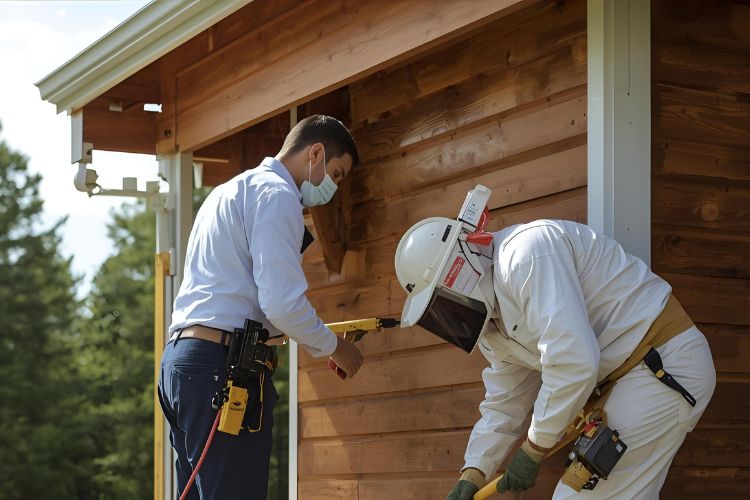
- Thorough Examination: A trained and licensed technician will conduct a comprehensive inspection of your entire property. This examination covers both the interior and exterior of your home. They will carefully check the foundation, looking for mud tubes or tiny cracks. They’ll also inspect crawl spaces, where moisture can attract termites, and attics, which are often overlooked but can house drywood termites. Any visible wood structures, such as decks, fences, or exposed beams, will also be scrutinized for signs of termite activity or damage.
- Identification: During the inspection, the technician’s main goal is to identify the specific species of termite present. Different termites require different treatment strategies. They will locate active infestations, pinpoint potential entry points into your home, and assess the extent of any damage already caused. This identification is critical for developing an effective plan.
- Risk Factors: Beyond finding termites, the technician will also identify any conditions around your home that are conducive to termite activity. These often include moisture problems from leaky pipes or poor drainage, direct wood-to-soil contact (e.g., wooden deck posts directly on the ground), or the presence of cellulose debris like old tree stumps or woodpiles near the foundation. Addressing these risk factors is a vital part of long-term termite control.
B. Customized Treatment Plan Development: Tailoring the Solution
Once the inspection is complete, the expert will create a plan specifically for your home.
- Tailored Solutions: Based on all the findings from the initial inspection, the technician will develop a customized termite treatment plan. This plan will recommend the most appropriate methods for your situation. It might involve bait systems, liquid barrier treatments, fumigation for severe drywood infestations, or a combination of these approaches, possibly as part of an Integrated Pest Management (IPM) strategy. The plan will be designed to effectively eliminate the current infestation and prevent future ones.
- Explanation: The technician will sit down with you and clearly explain the entire treatment plan. This includes describing the chosen methods, explaining why they are recommended for your specific termite problem, outlining the expected outcomes, and detailing the estimated duration of the treatment process. They will also advise you on any necessary preparations you might need to make before the treatment begins, such as moving furniture or ensuring access to certain areas.
C. Execution of Termite Treatment: Putting the Plan into Action
This is where the actual work of getting rid of the termites takes place.
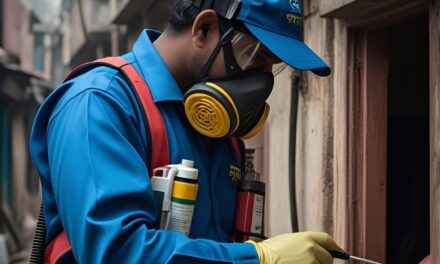
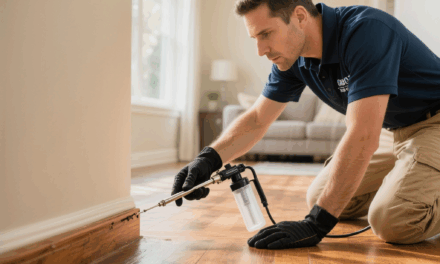
- Professional Application: Licensed technicians will execute the termite treatment plan with precision and care. They use specialized equipment designed for effective application of termiticides. For liquid treatments, this might involve carefully trenching around the foundation and drilling small holes into concrete slabs to create a continuous chemical barrier. For bait systems, it means strategically installing bait stations around the property. If fumigation is needed, the entire structure will be carefully tented and sealed before the gas is released. All applications are performed according to strict safety protocols, ensuring the safety of your family and pets.
- Safety: The technicians will also advise you on any necessary safety precautions during and after the treatment. This might include information on ventilation, temporary evacuation requirements (especially for fumigation), or specific instructions for re-entry into your home, ensuring that you and your family remain safe throughout the process.
D. Follow-up Inspections and Prevention Strategies: Ensuring Long-Term Success
Effective termite control services don’t end once the initial treatment is done.
- Post-Treatment Monitoring: Many professional termite treatments include follow-up inspections. These checks are crucial to ensure the success of the treatment and to monitor for any new termite activity. For bait systems, technicians will regularly check and refill the stations. For liquid barriers, they will ensure the integrity of the barrier over time.
- Prevention Advice: Beyond monitoring, technicians will provide valuable recommendations for preventing future infestations. This advice is a key component of an Integrated Pest Management strategy. Recommendations might include fixing leaks promptly, improving drainage around your home to reduce moisture, removing wood debris (like old lumber or stumps) from your yard, trimming shrubs and trees away from the foundation to reduce hidden access points, and sealing any cracks or crevices in your foundation or exterior walls that could serve as entry points for pests. These proactive measures are essential for maintaining a termite-free home long-term.
6. Protecting Your Investment: The Value of Ongoing Termite Control
Many homeowners mistakenly believe that termite control is a one-time fix. However, to truly safeguard your property’s value and structural integrity, it’s important to understand that effective termite protection is an ongoing process. It requires continuous vigilance and proactive measures.
Long-Term Benefits of Continuous Protection
Investing in regular monitoring and maintenance for termite prevention offers significant advantages.
- Early Detection, Major Savings: The most important long-term benefit is the ability to detect new termite activity early. Termites are persistent and can sometimes find new ways to approach your home or establish new colonies. Regular inspections, typically performed annually or semi-annually, allow professionals to spot these early signs before they escalate into a major infestation. Catching an issue when it’s small means treatment is much simpler and less costly. This early detection can save you potentially tens of thousands of dollars in expensive and disruptive repairs to your home’s structure, which would be needed if a major infestation went unnoticed for too long. It’s a small recurring cost that prevents massive future expenses.
- Peace of Mind: Knowing that your home is regularly checked by experts provides invaluable peace of mind. You can rest assured that your most valuable asset is continuously protected from these destructive pests.
Maintenance Plans: Your Shield Against Future Threats
Many reputable pest management companies offer annual or semi-annual maintenance plans specifically designed for ongoing termite control.
- Regular Inspections: These plans typically include scheduled, regular inspections of your property. During these visits, technicians will re-examine all vulnerable areas, looking for any new signs of termite activity or conducive conditions.
- Treatment Re-applications and Monitoring: Depending on the type of treatment initially applied, maintenance plans might include re-application of liquid barriers after their effectiveness wanes (typically every 5-10 years, depending on the product). For bait systems, the plan ensures regular monitoring and refilling of the bait stations, keeping them active and effective against any foraging termites. These plans ensure that the protective measures around your home remain robust and effective over time, providing continuous protection and ongoing defense against these insect pests.
Property Value: A Termite-Free Home is a Valued Home
A history of professional pest management and a termite-free status significantly enhance your property’s appeal and market value.
- Increased Appeal: A home free from termite issues is much more appealing to potential buyers. Termite damage can be a major red flag for buyers, often leading to reduced offers or even deals falling through. Buyers are looking for homes that are well-maintained and free from structural pests.
- Enhanced Value: Demonstrating a history of professional termite control and having current termite clearance certificates (often required during real estate transactions) can be a significant asset when selling your home. It proves to buyers that you have proactively protected your property, giving them confidence in its structural integrity. This can lead to a quicker sale and a better selling price, as buyers understand they won’t inherit a hidden problem. It proves the value of investing in professional pest services.
Conclusion & Call to Action
Termites are a real and potentially devastating threat to your home, capable of causing immense structural damage silently and extensively. Relying on do-it-yourself approaches often falls short, addressing only visible symptoms while leaving the destructive hidden colony intact. This can lead to ongoing problems and even more costly repairs down the line.
Professional termite control services offer the essential expertise, specialized tools, and proven scientific methods necessary for effective eradication and long-term prevention. These experts understand termite biology, apply targeted treatments, and implement ongoing strategies to protect your most valuable investment. By choosing a reputable and experienced termite control service, you’re not just buying a treatment; you’re investing in your home’s safety, structural integrity, and long-term value.
Don’t wait for visible signs of damage to act. If you suspect termite activity, have seen subtle signs, or simply want to ensure your home is proactively protected from these silent destroyers, contact a reputable termite control service today for a professional inspection and safeguard your most valuable investment. Take action now to protect your home and your peace of mind.
Frequently Asked Questions
-
How much does professional termite control cost?
The cost of professional termite control varies significantly based on the severity of the infestation, the size of your home, the type of termites, and the treatment method chosen. A full inspection is necessary to provide an accurate quote, but expect to invest a few hundred to several thousand dollars for comprehensive treatment and warranty.
-
How long do termite treatments last?
The longevity of termite treatments depends on the method. Liquid barrier treatments typically last 5 to 10 years, while bait systems offer ongoing protection with regular monitoring and refills. Fumigation provides immediate eradication but doesn’t offer long-term soil protection. Many companies offer renewable warranties for continuous peace of mind.
-
Are termite treatments safe for pets and children?
Reputable pest control companies prioritize safety. They use EPA-approved products and follow strict application protocols. For most treatments, brief precautions like keeping pets and children away from treated areas during application are sufficient. For fumigation, temporary evacuation of residents and pets is required. Always discuss safety concerns with your technician.
-
What are the early signs of a termite infestation?
Early signs include mud tubes on foundations, discarded wings near windows or doors (especially after a swarm), wood that sounds hollow when tapped, sagging floors or ceilings, and small, pinpoint holes in drywall or wooden structures. A musty odor can also indicate hidden termite activity. Regular inspections are best for early detection.
-
Is termite damage covered by home insurance?
Unfortunately, standard homeowner’s insurance policies typically do not cover termite damage because it’s usually considered a preventable issue or poor home maintenance. Coverage for termite damage is extremely rare, highlighting the importance of proactive professional termite control and prevention services.