Estimated reading time: 10 minutes
Key Takeaways
- Termites are often called “silent destroyers”, causing billions in property damage annually, often unseen.
- DIY methods are insufficient for effective eradication; professional termite control services are absolutely crucial for comprehensive protection.
- Effective termite treatment involves a thorough initial inspection, targeted methods like liquid barriers, bait systems, or fumigation, and ongoing prevention.
- When choosing the best termite control service, prioritize **experience**, **licensing**, **clear warranties**, **transparent pricing**, and **excellent customer service**.
- Finding termite control near you provides the benefit of local expertise and responsive service tailored to your region’s specific challenges.
Table of Contents
- Choosing the Best Professional Termite Control Services: Your Guide to Effective Treatment
- Key Takeaways
- The Urgency of Termite Control: Why DIY Isn’t Enough
- What to Expect from Professional Termite Treatment: A Step-by-Step Guide
- How to Choose the Best Termite Control Service: Your Checklist for Quality
- Finding Termite Control Near You: Local Expertise Matters
- Conclusion
- Frequently Asked Questions
Imagine tiny invaders silently eating away at your most valuable possession: your home. That’s exactly what termites, often called “silent destroyers,” do. These hidden pests pose a significant threat to homeowners everywhere. They can cause extensive, unseen structural damage deep within your walls and foundation long before you ever see a single sign. This hidden destruction leads to billions of dollars in property damage every year.
Because of this serious threat, finding reliable termite control services is absolutely crucial. It’s the best way to protect your home and keep your big investment safe. This guide will walk you through everything you need to know. We’ll cover why professional help is so important, what to expect from effective termite treatment, how to choose the best termite control service, and the special benefits of finding termite control near me. Let’s make sure your home stays safe and sound!
The Urgency of Termite Control: Why DIY Isn’t Enough
Termites are more than just a nuisance; they are a serious and urgent problem for any homeowner. Understanding their destructive nature and why basic home remedies fall short is key to protecting your property.
The Threat of Termites
Termites earn their nickname “silent destroyers” because they work quietly, hidden away from sight. They can cause a lot of damage to your home’s structure without you even knowing it for a long time. They munch away at wood and other materials from the inside out.
The financial cost of these tiny pests is huge. In the U.S. alone, termites cause more than $5 billion in property damage every single year. This can mean expensive repairs for homeowners across the country. These wood-eating insects are relentless.
What do these destructive bugs love to eat? Cellulose. This is a material found in many things inside and around your home. Termites feast on wood, paper, fabric, and other plant-based items. As they eat, they weaken the very bones of your house, like the support beams and floor joists. Over time, this makes your home less safe and structurally unsound.
The longer a termite infestation goes unnoticed and untreated, the more severe and costly the damage becomes. This is why quick action and professional termite control are absolutely necessary to prevent a small problem from becoming a giant, expensive disaster.
Why Professional Intervention is Crucial (Limitations of DIY)
Many homeowners might think about trying to handle a termite problem themselves. However, DIY termite treatment solutions are usually not effective for stopping termites in the long run. This is because termite colonies are vast and complex. They can spread deep into the soil beneath your house or hide within the walls, far out of reach of simple sprays.
Over-the-counter products, like bug sprays or traps, typically only get rid of the termites you can see. They might kill a few visible pests or treat a small, superficial area. But they fail to wipe out the entire colony, including the queen and all the workers deep inside. To truly control termites, you must get rid of the whole group.
This is where the expertise of professionals comes in. Trained pest management experts have specialized knowledge and tools that homeowners don’t. They can accurately identify the exact species of termite causing trouble, like subterranean or drywood termites. Knowing the species is important because different termites need different treatments.
Professionals can also locate the nest or main feeding areas, assess how big the infestation is, and understand what might be attracting the termites. Then, they apply targeted treatments safely and effectively, making sure the entire colony is destroyed and preventing these pests from returning. This thorough approach truly highlights the value and necessity of professional termite control services.
What to Expect from Professional Termite Treatment: A Step-by-Step Guide
When you hire professionals for termite treatment, you’re investing in a thorough and effective process designed to protect your home. Here’s a detailed look at what you can expect from these specialized termite control services.
Initial Inspection – The Foundational Step
The first and most important step in any professional termite treatment plan is a thorough initial inspection. This is where the experts learn all about your home’s unique termite situation.
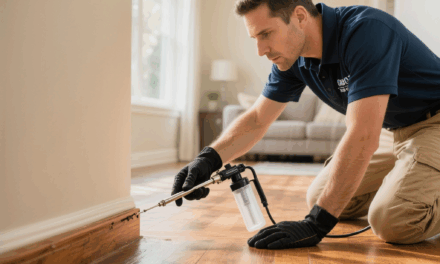
A trained technician will come to your home and conduct a detailed inspection, both inside and outside. They will carefully check the foundation, crawl spaces, attics, and even the landscaping around your house. They look for any signs of these destructive pests.
During this critical inspection, the technician has several key goals:
- Identify the Termite Species: Different types of termites, such as subterranean, drywood, or Formosan termites, require different treatment methods. Knowing the exact species helps tailor the most effective plan.
- Locate Points of Entry and Activity: The technician will look for tell-tale signs like mud tubes (tunnels built by subterranean termites), frass (termite droppings from drywood termites), or wood that sounds hollow when tapped. These signs help pinpoint where the termites are active and how they are getting into your home.
- Assess Environmental Factors: They will also check for things that might be attracting termites, like moisture issues (leaky pipes, poor drainage) or wood that is directly touching the soil. Fixing these issues is a big part of preventing future problems.
- Determine the Extent and Severity: By looking at all these clues, the technician can figure out how big and serious the termite infestation is. This helps them recommend the right type and amount of treatment.
Different Treatment Methods Offered by Termite Control Services
Once the inspection is complete, your chosen termite control service will discuss the best options for your home. There are several effective methods available, each designed for specific situations and termite types.
Liquid Barrier Treatments (Termiticides)
This is a very common and highly effective method, especially for subterranean termites. These termites live in the soil and build tunnels to get into your home.
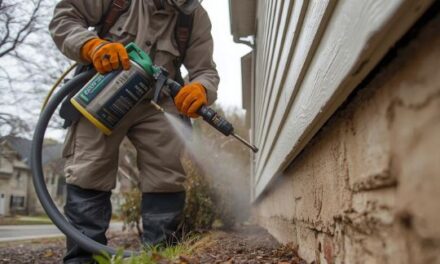
Here’s how it works: Technicians apply a special liquid termiticide to the soil directly around your home’s foundation. This creates a continuous chemical barrier that termites cannot get past. Modern non-repellent termiticides are especially powerful. Unlike older chemicals that termites could smell and avoid, these new products are undetectable. Termites unknowingly tunnel through the treated soil, pick up the chemical on their bodies, and carry it back to their colony. They then share it with other termites, leading to widespread mortality and eventually eliminating the entire colony.
The benefits of liquid barrier treatments include immediate protection against foraging termites and a long-lasting residual effect that continues to work for years.
Termite Bait Systems
Termite bait systems offer a different approach to termite eradication. These systems involve placing small bait stations around the perimeter of your property. Inside these stations is a slow-acting insect growth regulator (IGR) or another type of termiticide mixed with a food source that termites love.
The mechanism is clever: Termites constantly forage for food. When they discover the bait stations, they eat the bait and carry it back to their colony. They share this poisoned food with other termites, including the queen. Because the chemical works slowly, the termites don’t realize it’s hurting them until it’s too late. This gradual process helps to eliminate the entire colony over time.
Benefits of bait systems include being less intrusive to your home, often considered more environmentally sensitive than large-scale liquid treatments, and providing ongoing monitoring for termite activity. A drawback is that they can be slower to achieve full colony control compared to liquid treatments, taking several weeks or months to be fully effective.
Fumigation (for Drywood Termites)
Fumigation is a specialized termite treatment method primarily used for infestations of drywood termites. These termites live entirely within the wood they infest and do not need to connect to the soil. This makes them harder to treat with liquid barriers or bait systems alone.
The process of fumigation is quite dramatic. The entire structure, such as your house or just an attic, is covered with a large tent. A gaseous pesticide, called a fumigant, is then released inside. This gas penetrates all the wood within the treated area, reaching every nook and cranny where drywood termites might be hiding, effectively killing them.
Fumigation is highly effective at eliminating drywood termite colonies, even those deep within inaccessible areas. However, it requires homeowners to vacate the property for several days, typically two to three, to ensure safety and allow the gas to disperse completely.
Integrated Pest Management (IPM)
Many leading termite control services adopt an Integrated Pest Management (IPM) approach. IPM is a smart and comprehensive way to manage pest populations. It combines many tools—biological, cultural, physical, and chemical—to control pests while minimizing risks to people, pets, and the environment.
For termites, IPM means more than just applying a treatment. It involves:
- Identifying and rectifying conducive conditions: This means fixing things around your home that termites love, like excessive moisture, wood touching the soil, or cracks in the foundation.
- Regular monitoring: Keeping a close eye on your property for any new signs of termite activity after treatment.
- Using the least toxic yet effective methods: Choosing treatments that are tough on termites but as gentle as possible on everything else.
This holistic approach aims for long-term termite management, not just a quick fix.
Prevention and Monitoring (Post-Treatment)
Professional termite control services don’t just stop once the initial treatment is done. They often include ongoing monitoring and preventative measures to ensure your home stays termite-free. This is a key part of long-term protection.
Typical post-treatment activities may include:
- Regular inspections: Technicians will schedule follow-up visits to check for any new signs of termite activity or re-infestation.
- Refilling bait stations or re-applying liquid barriers: If bait systems are in place, the stations will be maintained and refilled as needed. For liquid barriers, re-application may be necessary after a certain number of years, depending on the product and warranty.
Homeowners also play a crucial role in preventing future termite issues. Your professional will likely give you recommendations, such as:
- Moisture control: Fixing leaky pipes, ensuring proper drainage away from your foundation, and keeping crawl spaces dry.
- Proper drainage: Making sure rainwater flows away from your house, not towards it.
- Reducing wood-to-soil contact: Keeping mulch, firewood, and wooden structures away from your home’s foundation.
- Sealing entry points: Repairing cracks in your foundation or sealing gaps around pipes where termites could enter.
Following these recommendations is crucial for long-term protection against future infestations, working hand-in-hand with the professional termite control services.
How to Choose the Best Termite Control Service: Your Checklist for Quality
Choosing the right company for termite control is a big decision. You want a service that is effective, trustworthy, and provides lasting protection. Here’s a detailed guide on how to pick the best termite control service for your home.
Experience and Reputation
When looking for a pest management expert, experience matters a lot. Look for companies with a long track record, meaning they’ve been around for a while and have a lot of experience. More importantly, check if they have specific experience dealing with the types of termite species common in your local area.
To gauge their reputation, do some detective work:
- Check online reviews: Look at websites like Google, Yelp, and the Better Business Bureau. What do other customers say about their service, effectiveness, and professionalism?
- Ask for references: A good company should be happy to provide contact information for past clients you can speak with.
- Look for professional affiliations: See if they are members of respected organizations like the National Pest Management Association (NPMA). This shows they are committed to high standards and ongoing training.
A strong reputation and extensive experience are clear signs of a reliable company that provides effective service, guiding you towards the best termite control service.
Licensing, Certification, and Insurance
This is a non-negotiable step. Always verify that the termite control company is properly licensed by your state’s regulatory body for pest control. This license confirms they meet basic industry standards and legal requirements.
Beyond the company, ensure that the individual technicians who will be working on your property are certified. This means they have passed exams and received proper training to handle pesticides and perform termite treatment safely and effectively. They should also undergo continuous training to stay updated on the latest methods and safety protocols.
Finally, stress the importance of adequate liability insurance. This insurance protects you, the homeowner, in case any damages or accidents occur on your property during the termite treatment process. It also protects the service provider. Never hire a company that cannot provide proof of current and sufficient insurance. (Consult Your State’s Department of Agriculture or Pest Control Regulatory Board for specific licensing requirements.)
Guarantees and Warranties
A reputable termite control service should stand by its work. This means they should offer a clear service agreement or warranty for their termite treatment.
Make sure you understand exactly what the warranty covers:
- Terms of the treatment: What specific services were performed?
- Expected duration of effectiveness: How long is the treatment guaranteed to last? This can range from one to several years.
- What happens if termites return: The warranty should clearly state that if termites reappear within the guaranteed period, the company will provide free retreatment at no additional cost.
Also, if you plan to sell your home, it’s important to understand the fine print regarding the transferability of the warranty to the new owner. A transferable warranty can be a valuable asset.
Transparent Pricing and Detailed Quotes
Never settle for the first estimate you receive. It’s wise to obtain multiple written estimates from different companies. This allows you to compare prices and services fairly.
A comprehensive quote should be very detailed and include:
- Specific termite treatment methods proposed (e.g., liquid barrier, bait system, fumigation).
- Chemicals to be used: The names of the termiticides and active ingredients.
- Areas to be treated: A clear description of where the treatment will be applied.
- Total cost: The complete price, with no hidden fees.
- Any included warranties or follow-up services: A summary of the guarantee and any monitoring plans.
Be very wary of unusually low bids. While saving money is good, a price that seems too low might indicate subpar service, less effective chemicals, or hidden costs that will pop up later. Quality termite control is an investment in your home’s safety.
Customer Service and Communication
The quality of customer service can tell you a lot about a company. As you contact different providers, pay attention to their:
- Responsiveness: Do they answer your calls or emails promptly?
- Willingness to answer questions: Are they patient and thorough in explaining things?
- Clarity of explanations: Do they use simple language that you understand, or do they speak in confusing jargon?
A truly good company will take the time to educate you, the homeowner. They will explain the termite problem clearly, detail their proposed solution, and advise you on necessary preventative measures related to termite control that you can take yourself. Good communication builds trust and ensures you feel informed every step of the way.
Environmentally Friendly Options and Safety Protocols
As a homeowner, you probably care about the safety of your family, pets, and the environment. Don’t hesitate to ask about a company’s approach to these concerns:
- “Green” pest control: Inquire about their use of less toxic or “green” pest control products. Are they committed to Integrated Pest Management (IPM) practices, which prioritize environmental safety?
- Safety precautions: Ask about the specific safety precautions they take for children, pets, and plants during and after termite treatment. How do they ensure that the chemicals are applied safely?
- Compliance with regulations: Ensure they comply with all Environmental Protection Agency (EPA) regulations regarding pesticide application. This ensures they are using products safely and legally.
Asking these questions helps you choose a responsible and reliable termite control company that aligns with your values.
Finding Termite Control Near You: Local Expertise Matters
When you’re facing a termite infestation, finding a local termite control provider can offer significant advantages. Searching for “termite control near me” isn’t just about convenience; it’s about tapping into specialized local knowledge that makes a real difference.
Importance of Local Providers
Choosing a local termite control provider has clear benefits. These companies are deeply rooted in your community and often have a better understanding of the unique challenges termites pose in your specific area.
This local familiarity is key: Local companies are typically more familiar with the specific termite species prevalent in the region. For example, they’ll know if subterranean, Formosan, or drywood termites are most common where you live. They also understand the behavioral patterns of these local pests and the specific environmental conditions (like soil type, climate, and rainfall) that favor their activity in your area. This deep understanding helps them quickly assess your situation.
Benefits of Local Expertise
Local expertise goes beyond just knowing the termite types. Local technicians understand regional building practices. This means they know how homes in your area are typically built, which can influence common entry points for termites. They also know local regulations and laws regarding termite treatment, ensuring all work is done correctly and legally.
This specialized knowledge allows for more accurate diagnoses of your termite problem. It helps them create tailored, effective treatment plans that are specific to your home and your local environment. They aren’t applying a one-size-fits-all solution; they’re providing precise termite treatment designed for your situation.
Responsive Service
Another major benefit of choosing a local company is their ability to provide responsive service. Local providers can typically offer faster response times for initial inspections and for starting treatments. This quick action is absolutely crucial when you are dealing with an active and damaging termite control infestation, where every day counts in preventing further harm to your home.
Beyond just the initial response, local professionals are also more accessible for follow-up questions or emergency situations that might come up after treatment. They are usually just a short drive away, making it easier to schedule visits or get quick advice. This reinforces the significant value and peace of mind that comes from searching for termite control near me.
Conclusion
Termites are a serious threat to your home, capable of causing immense hidden damage and significant financial stress. Protecting your property, one of your most valuable assets, from these silent destroyers demands prompt, professional intervention. Entrusting your home’s defense to experienced termite control services is not just an expense; it’s a vital investment in its long-term safety and your peace of mind.
Throughout this guide, we’ve highlighted the necessity of professional intervention, detailing why DIY methods simply aren’t enough. We’ve explored the thorough process of expert termite treatment, from initial inspection to the various effective methods like liquid barriers, bait systems, and fumigation, alongside the importance of ongoing prevention. Finally, we’ve armed you with the critical factors in choosing the best termite control service, emphasizing experience, proper credentials, transparent pricing, and the invaluable benefits of local expertise.
If you suspect you have a termite infestation, do not delay. Act promptly. Use the criteria and knowledge provided in this guide to find reliable termite control near me. By making an informed choice, you can ensure your home is protected by experts, standing strong against these destructive pests for years to come.
Frequently Asked Questions
-
- Why can’t I just treat termites myself?
DIY methods typically only address visible termites and don’t eliminate the entire colony, including the queen and hidden pests. Professional services use specialized knowledge, tools, and chemicals to eradicate the infestation completely and prevent recurrence.
- Why can’t I just treat termites myself?
-
- How long does professional termite treatment last?
The duration of effectiveness varies depending on the treatment method used (e.g., liquid barriers can last for several years, bait systems require ongoing monitoring) and the specific warranty offered by the service provider. Always ask about the warranty period.
- How long does professional termite treatment last?
-
- What are the signs of a termite infestation?
Common signs include mud tubes on foundations or walls, discarded wings near windows or doors, hollow-sounding wood, small piles of frass (termite droppings), or distorted paint on wooden surfaces.
- What are the signs of a termite infestation?
-
- Is termite fumigation safe for my family and pets?
When performed by licensed professionals, fumigation is safe. However, it requires you and your pets to vacate the property for usually 2-3 days while the treatment is carried out and the fumigant disperses, ensuring no residual health risks.
- Is termite fumigation safe for my family and pets?
- How often should I have my home inspected for termites?
It is generally recommended to have a professional termite inspection at least once a year, especially in areas prone to termite activity. Regular inspections help catch potential infestations early before significant damage occurs.